

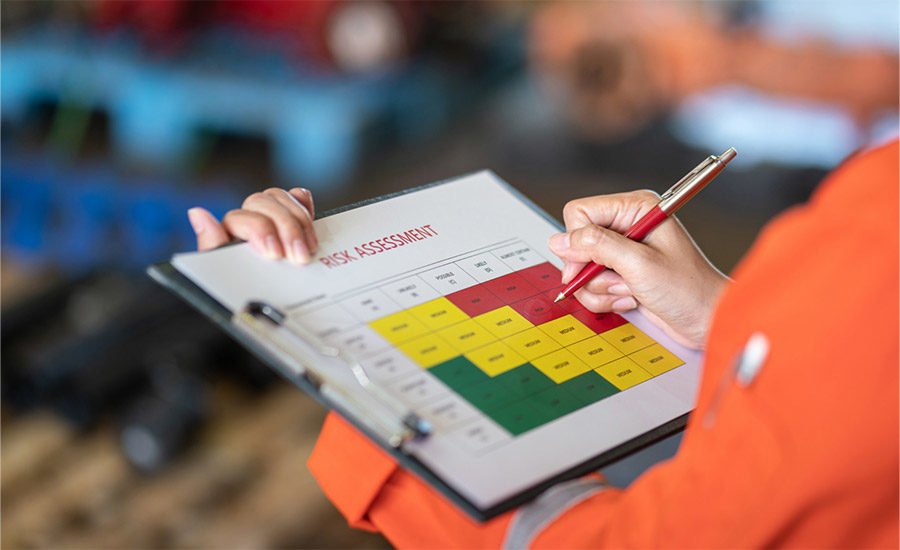

Just as important as building quality homes is knowing how to protect them, and the rest of your business assets, along the way. Passives are everywhere. Effective mitigation of these risks is critical to moving from startup to handing over the owner’s keys and beyond without major losses, out-of-pocket costs and litigation.
So what should a builder’s comprehensive risk management plan look like?
Companies that manage risk best combine insurance policies, proactive warranty protections and internal practices to keep exposures under control and out of their business. Following these five steps ensures that the risks never outweigh the rewards of building beautiful homes.
Step 1: Carry the right insurance
Having the right building insurance coverage provides builders with an important financial safeguard. However, there is no single policy. The size and scope of the job determines which policy mix is appropriate. The following are the most common for broad protection (in addition to commercial general liability and workers’ compensation policies).
This specialized property insurance protects buildings under construction. Builder’s risk generally covers weather events, theft and vandalism. The policy also addresses on-site materials, supplies and equipment. Coverage ends when the project ends.
Mistakes happen. Professional liability insurance protects against losses caused by errors or omissions in professional work. Coverage addresses the financial impact, such as court costs, of these errors, but does not cover the cost of correcting them.
Pollutants include anything introduced into an environment that is not part of the habitat. Think paint, equipment fuel, and foam insulation just to name a few. This insurance covers responsibilities arising from pollution incidents occurring in a workplace. CGL policies often exclude pollution incidents, making this an important separate coverage.
- Commercial vehicle and commercial automobile
Home builders with vehicles titled for business or with employees who use personal vehicles for business use need an auto insurance policy. Coverage includes injury or damage to third parties and their property caused by a driver driving a vehicle. The policy should include all owned, leased and non-owned vehicles connected to company work.
- Inland equipment/marine float
This policy applies to builders who transport equipment, tools and supplies between job sites. Other coverages mentioned apply specifically to the workplace. The inland navy protects what passes between these places.
Cyber insurance is important for builders who use third-party technology or smart devices on jobsites. Cyber liability covers network security failures, which can include data breaches, malware infections, cyber extortion, ransomware and business email compromises.
A common misconception among builders is “General liability policy covers everything”. Unfortunately, this is not true. Even adding the policies mentioned above does not create full protection. Standard general liability policies are reactive and cover third-party damages after they occur. An insured warranty serves as a proactive partner that protects the builder from the costs of structural defects before they cause damage or injury.
A PWSC structural warranty specifies the builder’s responsibilities to the owner related to the quality of the construction. With standard structural warranties, the builder claims that a new home will be free from qualified structural defects for 10 years or the state’s statute of repose. If a defect covered by the agreement occurs, the warranty covers the repair. Good builder warranties should also include a defined claims resolution process that helps save builders and homeowners time and money by keeping issues out of court.
Learn more about how warranties and insurance policies serve as great partners in risk mitigation by reading Covering your assets: how liability insurance and structural warranties work together.
Step 3: Track subcontractors’ insurance
So you have your insurance policies in order. Cool! What about your subcontractors? Do they have enough coverage to pay for project losses if something happens? Are you doing more than just taking their word for it?
When your subcontractor is uninsured or underinsured and causes a loss, you might be left footing the bill.
The next step in developing a risk mitigation strategy is tracking the Certificate of Insurance (COI) and other important policy approvals for each subcontractor working on a project. While full of valuable information for upstream parties, three details are key to every COI and insurance document review:
- An insurance policy is active and will not expire while the subcontractor is working on the project.
- The policy covers the type of work the subcontractor is doing.
- The coverage amount is sufficient to restore the project if the subcontractor contributes to a loss.
Allowing a subcontractor to work on a project without verifying their insurance creates a huge and entirely avoidable risk.
Step 4: Develop a quality assurance program
Quality control in construction ensures that projects meet on-time, on-budget and client-specified requirements. Quality assurance programs avoid many costly risks, such as unsatisfied home buyers, unpredictable expenses, and unsafe structures.
The best quality assurance initiatives focus on:
- Recruitment and training of appropriate personnel
- Building standard security and construction responsibilities from the front line to the executive suite
- Document and validate the appropriate use of the material
- Incorporation of subcontractors and third parties with the appropriate expectations of the project
- Audit and test of housing construction
- Address deficiencies immediately and practice continuous improvement
Create a quality assurance program that works for your company’s unique needs. By getting everyone to invest in quality, builders can significantly reduce potential liabilities.
Step 5: Practice site security
According to the Bureau of Labor Statistics, more than 150,000 construction site injuries occur each year costing businesses more than $11.5 billion. A major injury can cripple a company financially. Developing a site safety program helps mitigate harmful workplace incidents to keep workers and the company’s bottom line safe. Some ways to make security a priority include:
- Make accident prevention part of your daily messaging
- Creation of site security protocols for staff and contractors
- Realization of periodic safety training in the workplace
- Carrying out safety checks and preventive maintenance of equipment
- Follow-up of security incidents and training on improvements
- Bring appropriate insurance for protection
Protected and profitable with PWSC and PCF Insurance
A little proactive planning can prevent major problems from affecting your builds and budget. Start by talking to PWSC, a PCF company and your insurance agent to discuss your policy protection. PWSC can also help with a builder’s warranty that starts where insurance ends. Take advantage of our team of construction experts. With over 100 years of combined experience, we can help you develop a comprehensive risk management plan that keeps your company covered from start to finish in every home.
By Lindsay Tingler, PCF Construction Practice Leader
