


Legislation to authorize more than $6 billion for the U.S. Army Corps of Engineers for storm and flood protection, dredging and other water projects has passed a key milestone, with the unanimous approval of US Senate on a new Water Resources Development Act on August 1. Read the project text here and a section-by-section summary here.
Lawmakers in the Senate and House will now begin negotiations to resolve the differences between their two versions.
The Senate version authorizes about $6.7 billion in federal funds for 13 new or modified projects that have received favorable reports from the Army chief of engineers. It also has 83 feasibility studies. The House version, which that chamber passed on July 22 by a vote of 359 to 13, authorized 12 new or modified Corps projects.
The Senate bill adds one item to the list of House measures: $68.1 million for a navigation project at the port of Akutgan, Alaska, which received Army approval on 17 of July
Focus on the cost-sharing proposal
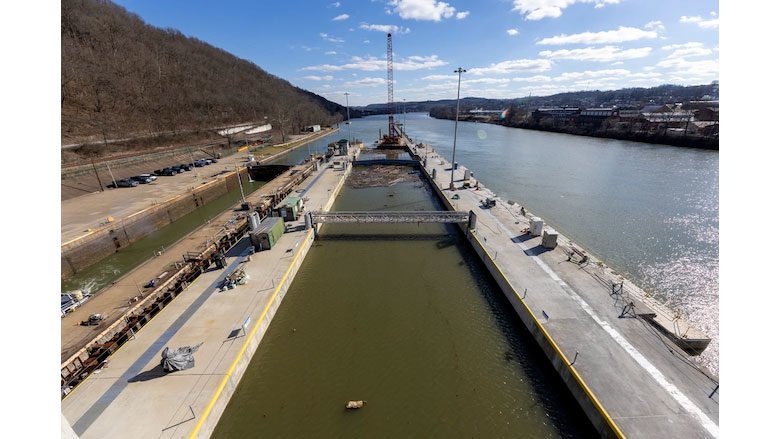
A key difference between the bills in their policy sections is a Senate provision to permanently change the cost-sharing ratio for inland waterway construction and major rehabilitation projects to 75 percent of general federal revenue and 25 % of the Inland Waterways Trust Fund, from the current one. 65%-35% split.
The cost-sharing provision is not in the House bill.
Waterways Council Inc. has been pushing for the cost-sharing change to be part of the final compromise bill. The group “believes there is a very good chance that cost sharing will be included in the final bill,” Tracy Zea, the board’s president and CEO, said by email.
The American Society of Civil Engineers also supported the cost-sharing language.
President Marsia Geldert-Murphey said the change “will ensure that the [trust fund] remains available for future projects to help reduce the backlog of inland waterway projects.”
ASCE also wants several other provisions of the House bill, but not the Senate version, to become the eventual final measure, he said. They include reauthorizing the Federal Emergency Management Agency’s National Dam Safety Program through 2028 (the program expired last September) and reducing restrictions on how much states can receive in grant assistance of the National Dam Safety Program.
Continuing the Streak
If a new Water Resources Development Act can be enacted before the end of December, it would continue a 10-year streak of passing a new law every two years.
Sen. Thomas Carper (D-Delaware), chairman of the Senate Environment and Public Works Committee and for whom the new Senate bill is named, said maintaining this biennial schedule “is essential to ensure that projects of the Body can advance”. He also said the bill has provisions that “will go a long way to ensure the timely enforcement” of the previous legislation.
Carper said hearings before his committee have shown that “the implementation of the past [act] reauthorizations have taken much longer than expected, in some cases more than a decade.”
To address that shortcoming, the new bill includes a provision that requires the Corps to develop and implement a plan to fully implement the previous directives of the water resources law “as soon as possible,” Carper said.
