


Just weeks after Microsoft said it would buy nuclear power to power its AI-focused data centers, Google announced on Oct. 14 that it is signing a deal it says is the first purchase of US corporate energy to small modular reactors now under development.
Google said it has a power purchase agreement with California-based developer Kairos Power LLC for the power pool to come from small sites that would generate up to 500 MW of new nuclear power by 2035, with the first reactor online as early as 2030. The tech giant cited the need for new zero-carbon energy sources for its data centers, prompting Kairos to commit to building multiple small reactor projects with units of 50 MW to 75 MW. Small modular reactors produce considerably less power individually than conventional nuclear power plants, which can generate 1,000 MW or more.
The Google deal follows a September agreement by Microsoft for data center power to be generated from what is being described as a $1.6 billion renovation and restart of the Unit 1 reactor al The Three Mile Island Nuclear Power Plant in Londonderry Township, Pennsylvania. That unit, which is adjacent to the one that underwent a partial meltdown in 1979, operated successfully until it was closed in 2019 for financial reasons, owner Constellation Energy said.
Kairos Power did not specify where it would locate the power plants to meet Google’s goals for using clean energy 24 hours a day, possibly up to seven, or disclose the financial terms of its deal.
Christopher Ortiz, a spokesman for the developer, told ENR that no contractor has yet been selected for the Google reactors, but that the Kiewit Corp. TIC-The Industrial Co. has begun work on a salt production facility at the Kairos Development Campus in Albuquerque. NM It will produce a high-purity molten salt coolant for advanced reactors.
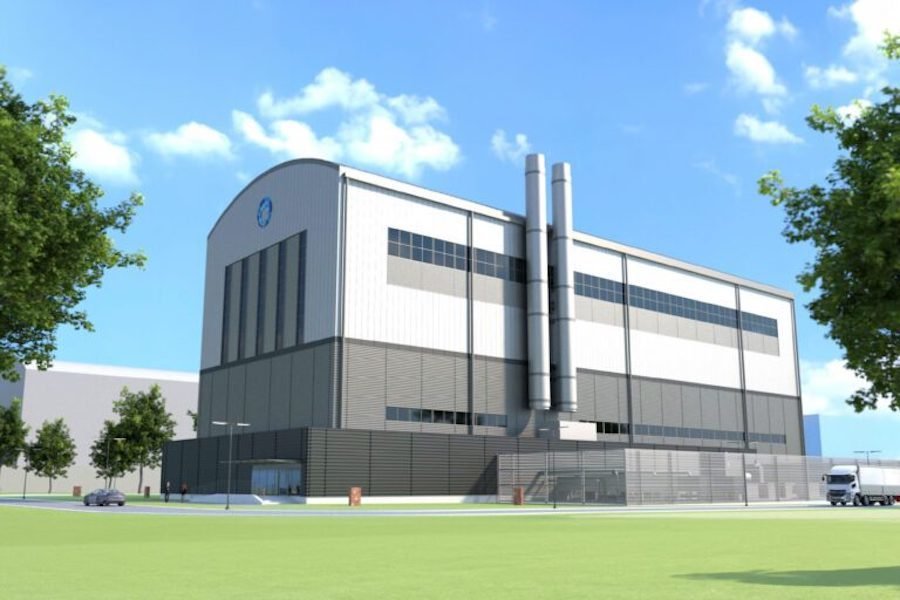
Barnard Construction Co. Inc., began construction in July on Kairos Power’s low-power Hermes demonstration reactor, a precursor facility that the developer says has approval from the U.S. Nuclear Regulatory Commission and is the first authorized by use non-light water technology in the US. in almost 60 years.
The molten salt reactor is part of Kairos’ “rapid iterative development approach” to developing and commercializing nuclear power plant designs based on fluorine salt-cooled high-temperature technology to cool the reactor core, he said.
Barnard is building the facility in Oak Ridge, Tenn., on a former U.S. Department of Energy site that will be completed by 2027 as a “critical step” in commercializing the technology, Kairos Power said. The Tennessee Valley Authority has been working with the developer to provide engineering, operations and licensing support.
The Hermes project received previous funding under the US Department of Energy’s Advanced Reactor Demonstration Program, with the agency to directly invest about $303 million. Payments are based on milestones such as construction progress and applying for a future federal operating license, he said.
Barnard and Kairos Power are also building engineering test units in Oak Ridge and Albuquerque, NM. which are designed to operate at high temperatures, using a special particulate fuel along with a molten fluoride salt coolant, the company told the commission in a 2023 filing.
Google has said it aims to make its operations carbon neutral by 2030.
“The innovative, multi-plant agreement will support technology development by expanding Kairos Power’s iterative demonstration strategy through its first commercial deployments,” the company said. “Along the way, the milestone-based accountability built into the deal will establish confidence in Kairos Power’s ability to deliver throughout the long-term partnership.”
