

Introduction
A compact excavator is a type of construction equipment commonly used for excavating, demolishing and handling materials in small or confined spaces. It is a versatile machine that can perform a wide range of tasks, making it an essential tool for many construction projects. This article is a comprehensive guide to buying or leasing a compact excavator in 2023. I hope it helps you make a decision.
Compact excavators are especially useful on projects where access is limited or where larger equipment cannot be used due to space limitations. They are commonly used in landscaping, excavation, grading and demolition work, as well as in the construction of buildings, roads and bridges.
The aim of this article is to provide a comprehensive guide for individuals or businesses looking to buy or lease a compact excavator in 2023. It will cover the different types of compact excavators, factors to consider before buying or rent, the process of buying or renting. rental, safety considerations for operating the machine, and future prospects for the use of compact excavators on construction projects.
Types of compact excavators
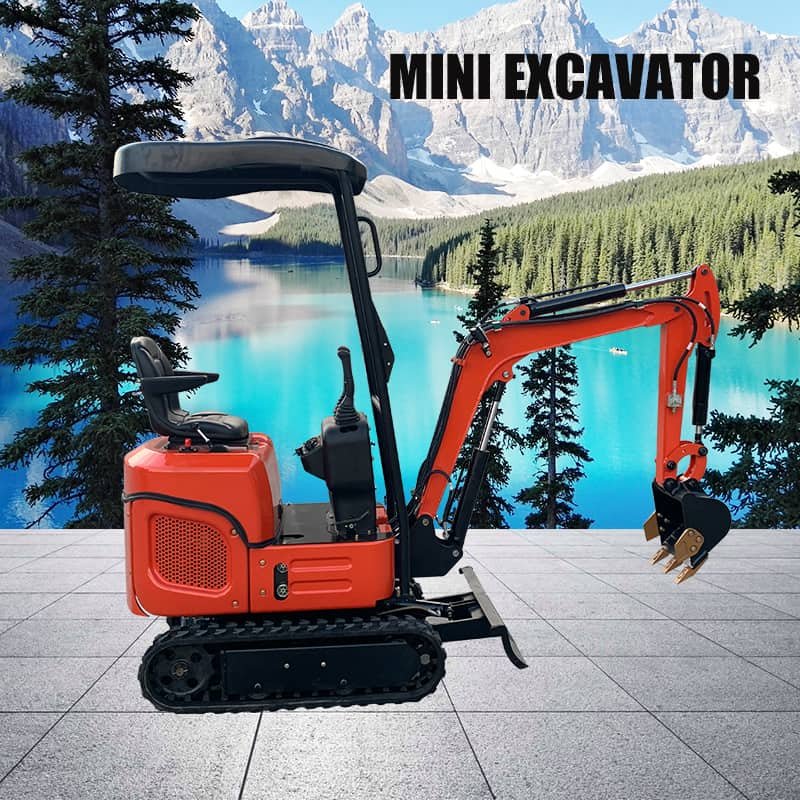
mini excavators
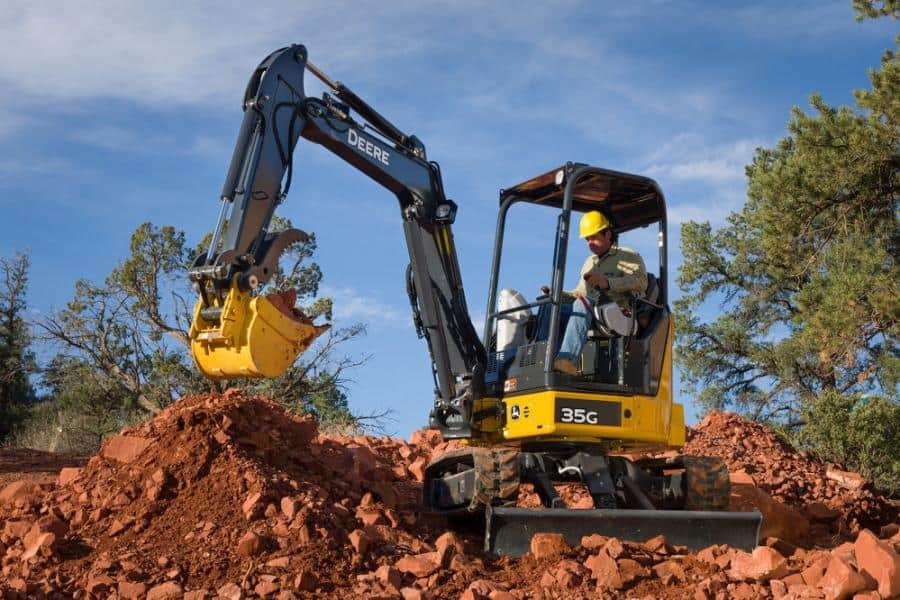
Mini excavators are the smallest and most common type of compact excavator, usually weighing between 0.5 and 8 tons. They are versatile machines that can be used in a variety of projects including landscaping, trenching and demolition work. Mini excavators are ideal for working in tight spaces as they can fit through narrow doorways and doorways. They are also popular for their fuel efficiency and low maintenance costs.
Midi excavators
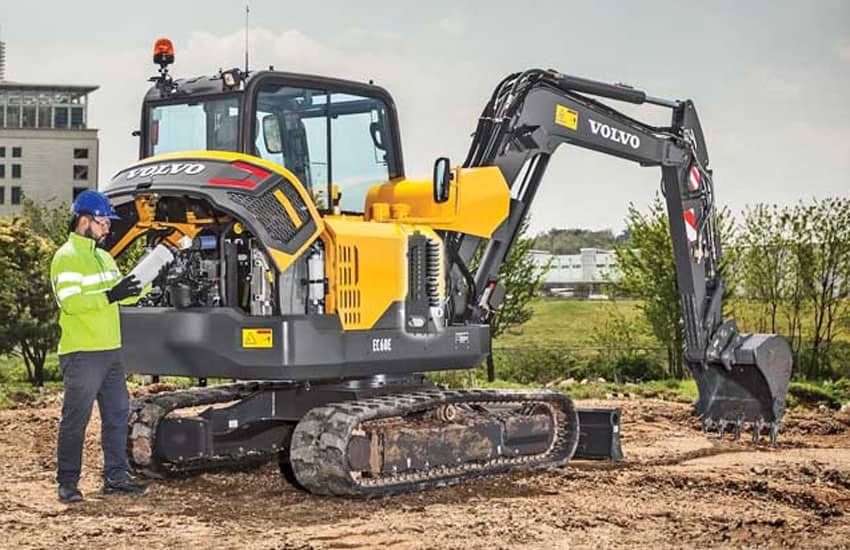
Midi excavators are larger than mini excavators, typically weighing between 7 and 10 tons. They are suitable for medium-sized projects such as residential and commercial construction. Midi excavators have a greater digging depth and reach than mini excavators, making them more efficient for larger projects. They also offer more power and hydraulic capabilities, allowing them to handle heavier loads.
Wheel excavators
Wheel excavators are unique in that they have wheels instead of tracks. This makes them more maneuverable and faster than traditional excavators. They are ideal for projects that require frequent repositioning of the machine, such as road construction and landscaping. Wheel excavators are also more cost effective than crawler excavators as they have a lower initial cost and require less maintenance.
Excavators without tail swing
Zero tail excavators are designed to work in tight spaces where traditional excavators cannot. They have a minimal tail turning radius, which means they can turn 360 degrees without hitting an obstacle. Zero-turn excavators are commonly used in urban areas for projects such as road repair and maintenance, as well as demolition work.
Explanation of its characteristics and advantages
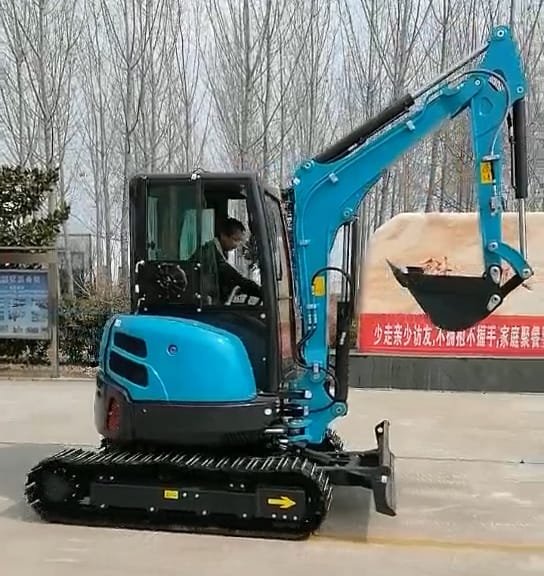
All types of compact excavators have their own unique features and advantages. Mini excavators are versatile and efficient, while midi excavators offer greater digging depth and power. Wheel excavators are more maneuverable and cost-effective, while zero-tail excavators are ideal for tight spaces. When choosing a compact excavator, it is important to consider the specific requirements of the project to determine which type of machine will be the most effective.
Factors to consider before buying or renting a compact excavator
Before buying or leasing a compact excavator, there are several factors to consider to ensure you choose the right machine for the project.
Type of project
The type of project you are working on will have a major impact on the type of compact excavator you will need. For example, if you are working on a small residential landscaping project, a mini excavator may be the most suitable machine. On the other hand, if you are working on a larger commercial construction project, a midi excavator may be a better choice.
Size of the project
The size of the project will also determine the type of compact excavator you will need. If you are working on a small project, renting a compact excavator may be the most cost-effective option. However, if you are working on a larger project that will take several months, it may be more economical to buy a machine.
budget
Your budget will also affect your decision to buy or lease a compact excavator. Renting a machine is generally more affordable in the short term, but buying a machine can be more profitable in the long term.
Durability and reliability
The durability and reliability of the machine is also an important factor to consider. Look for a machine that is built to last and manufactured by a reputable manufacturer. You may also want to consider buying or leasing a machine that comes with a warranty or maintenance plan.
Operating weight and digging depth
The machine’s operating weight and digging depth will also be important considerations. Make sure the machine you choose can handle the weight of the loads you’ll be moving and has the digging depth needed for your project.
Complements and versatility
Finally, consider the accessories and versatility of the machine. Many compact excavators come with a variety of attachments, such as buckets, hammers and grapples, which can increase the machine’s versatility and allow it to perform a wider range of tasks.
Rental of a compact excavator
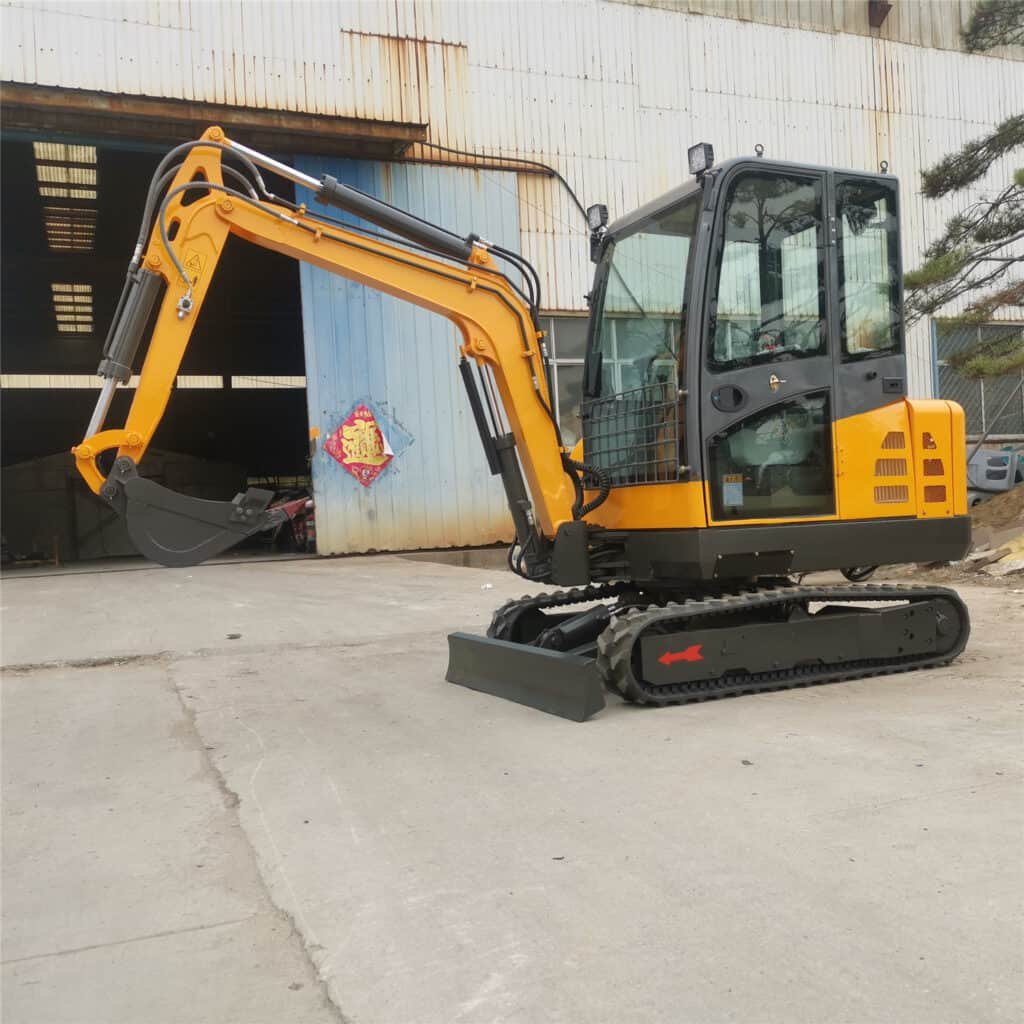
Renting a compact excavator can be a good option for those who need the machine for a short-term project or want to avoid the upfront costs of purchasing a new machine. Here are some important factors to consider when renting a compact excavator:
Understand the rental agreement and conditions
Before renting a compact excavator, make sure you understand the rental agreement and terms. Review the contract carefully and ask questions if you have any questions. Pay attention to factors such as rental period, rates, deposit and insurance requirements.
Evaluation of the rental company and the condition of the equipment
It is important to evaluate the rental company and the condition of the equipment before renting a compact excavator. Look for a reputable rental company with a history of providing reliable equipment and good customer service. Inspect the machine thoroughly to ensure that it is in good condition and meets the requirements of your project.
Comparison of costs and rental options
Compare rental costs and options from different companies to find the best deal. Keep in mind that the lowest rental rate may not always be the best option. Consider factors such as the age and condition of the machine, the rental period, and any additional fees or charges.
Maintenance and service requirements
Make sure you understand the maintenance and service requirements of the rental machine. Ask the rental company about their maintenance program and what to do if the machine breaks down. You may also want to consider purchasing a maintenance and service plan to ensure that the machine stays in good condition throughout the rental period.
conclusion
Summary of the key points discussed in the article
In short, a compact excavator is a versatile and efficient machine that is used in a variety of construction projects. When considering buying or leasing a compact excavator, it is important to consider factors such as project type, project size, budget, durability and reliability, operating weight and digging depth, and accessories and the versatility Mini excavators, midi excavators, wheel excavators and zero turn excavators are some of the common types of compact excavators available in the market.
Renting a compact excavator can be a good option for those who need the machine for a short-term project or want to avoid the upfront costs of purchasing a new machine. To ensure a successful rental experience, it’s important to understand the rental agreement and terms, evaluate the rental company and equipment condition, compare rental costs and options, and understand maintenance and service requirements .
Recommendations for buying or renting a compact excavator
When buying or leasing a compact excavator, it’s important to do your research and choose a machine that fits your project requirements and budget. Consider factors such as project type, project size, budget, durability and reliability, operating weight and digging depth, and accessories and versatility. Whether you choose to buy or lease, make sure you understand the terms and conditions of the agreement, evaluate the equipment thoroughly, and consider maintenance and service requirements.
The future prospects for the use of compact excavators in construction projects
The future looks bright for the use of compact excavators on construction projects. With advances in technology and design, compact excavators are becoming more versatile, efficient and environmentally friendly. As construction projects become more complex and demanding, the need for compact excavators will continue to grow. With careful consideration and proper maintenance, a compact excavator can be a valuable asset to any construction project. For more information on buying or renting a compact excavator, please contact us.
