

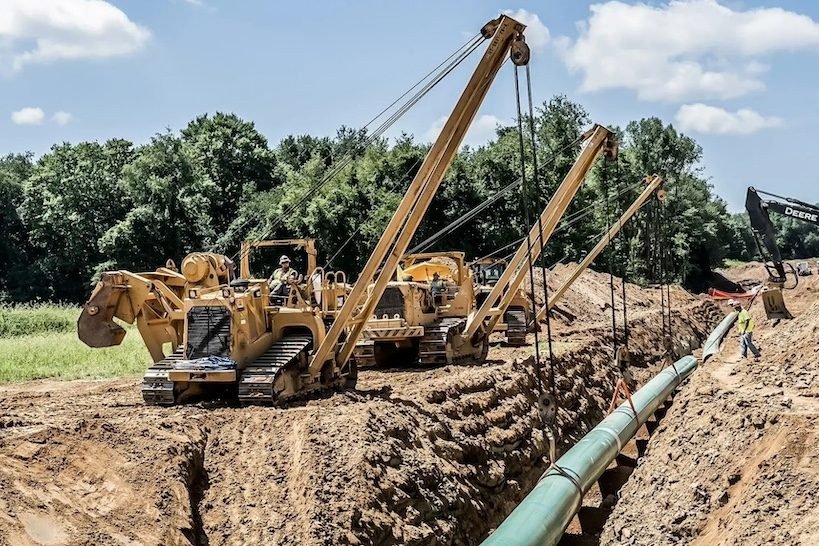

The Federal Energy Regulatory Commission has permanently lifted a ban on construction of natural gas pipelines, liquefied natural gas export facilities and related infrastructure while the agency considers appeals of the project’s work.
FERC’s final rule, which will take effect on November 10, eliminates regulations under Order no. 871 enacted in 2020 by the Biden administration, intended to better protect property owners’ rights and address concerns that projects could cause irreversible damage before challenges are resolved.
Fossil fuel industry advocates opposed it, characterized as a stalling tactic by project opponents.
With the change, now published in Federal Register, a project can begin construction immediately after receiving a FERC certificate without waiting for a new hearing or litigation to conclude. The agency says the change would shorten development timelines by months, provide more investment certainty and prevent project cancellations due to schedule-related cost overruns or permit expirations.
The final rule will replace a one-year suspension of the regulations, requested earlier this year by the Interstate Natural Gas Association of America, which will be in effect until June 30, 2026.
Former FERC Chairman Mark Christie said the regulations had become “a tool to automatically hold up a project during the hearing” and were being “misused.” The agency said property owners can still appeal projects through judicial review and commission action on eminent domain challenges.
The Southern Environmental Law Center and about 30 other interest groups are set to continue an earlier challenge to the suspension, calling it an illegal and “baseless” use of the “energy emergency” to remove protection requirements.
