

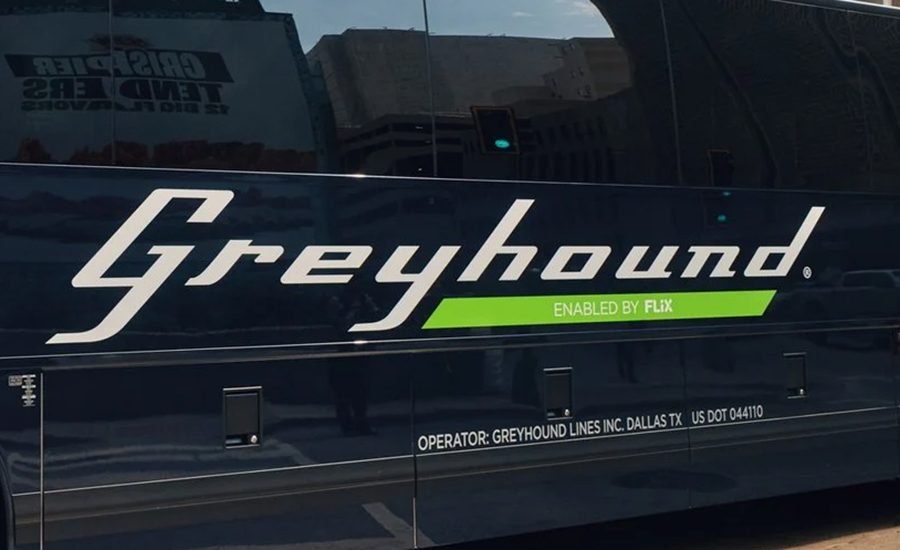

With the future of Greyhound’s downtown bus terminal in jeopardy, Chicago Mayor Brandon Johnson’s administration intends to buy and renovate the station, according to a Chicago alderman who is unhappy with what he calls a lack of transparency regarding the potential $50 million outlay.
The city would spend an estimated $19 million to buy the station at 630 W. Harrison Street and use the rest to renovate the facility, which is owned by Twenty Lake Holdings, the real estate division of Connecticut-based private equity firm Alden Global Capital. The station’s future has been in jeopardy since August 2024 when a lease from Flix, the company that owns Greyhound, expired.
“Like many other bus stations in the United States, this station is at risk of closure following a recent announcement by the private company that owns the site that it is for sale,” states a 2024 report from DePaul University’s Chaddick Institute for Metropolitan Development.
The report notes that in December 2023 the 88,000 square meter station was sold to Twenty Lake Holdings, which in turn hired CBRE to position the property for sale.
“One report indicates that the site could accommodate two towers for a strong residential apartment market,” the report notes.
Neither Flix nor Twenty Lake Holdings responded to requests for comment.
Ald. Bill Conway (34th Ward) said he discovered the planned purchase while going through a list of tax increment financing expenses planned for his neighborhood, which is where the station is located.
“The mayor shouldn’t have to do a cartwheel through a spreadsheet to admit he’s giving $50 million in taxpayer money to a private equity firm while workers get hit again with increased taxes and fees. This bus station is important, and it would be foolish to trust this administration to get the deal when it hid it from taxpayers in the first place,” Conway said in a statement.
Tax Increment Financing (TIF) is a tool cities use to spur development in distressed areas. When a TIF district is created, property taxes are frozen at a base level. As property values rise, the additional tax revenue, the “increment,” will go into a TIF fund instead of the general budget. This fund pays for improvements such as infrastructure, cleanup or development incentives to attract private investment within the TIF. Critics say TIFS diverts property taxes from other entities, such as schools, counties and parks, that depend on them.
The terminal handles an estimated 55 buses daily and is a connection point for trips involving several dozen bus lines across the United States. It serves around 500,000 passengers a year.
“These travelers would suffer if operations were moved to a curbside location without a safe, air-conditioned waiting room,” notes the Chaddick Institute.
Johnson did not respond to requests for comment on the planned purchase.
