

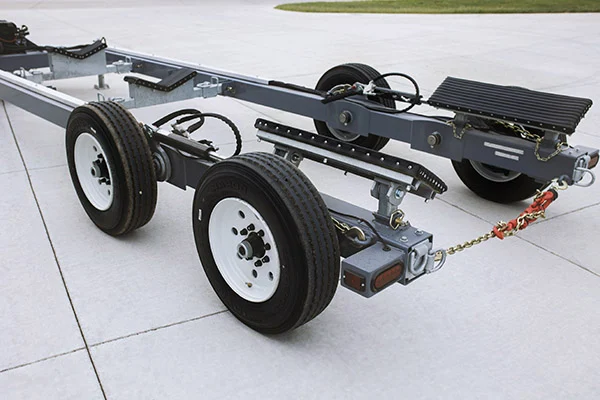
Boat Trailer Suspension – Real world performance that protects your boat mile after mile
Boat trailer suspension is one of the most overlooked systems in all trailer setups, but it plays a direct role in how safely and smoothly your boat travels. Every mile on the road introduces vibrations, impacts and forces of change. The suspension decides whether these forces are absorbed smoothly or transferred directly to the trailer frame and boat hull. When the suspension is misaligned or worn, the damage silently accumulates until it becomes expensive and unavoidable.

Why boat trailer suspension is more important than most owners realize
Boat trailer suspension acts as a shock absorber between the road and your boat. It controls how weight is carried, how shocks are absorbed and how stable the trailer feels at speed. Proper suspension keeps the trailer level, the tires evenly loaded, and the boat settled on its bunks. Poor suspension may still allow for towing, but it accelerates wear and tear on tires, bearings, sleepers, and even the hull itself.
What happens when the boat trailer suspension is too stiff
When the suspension is too stiff, it cannot flex enough to absorb road impacts. Instead of compressing smoothly, it sends a shock straight into the trailer structure. Over long rides, this repeated stress can fatigue welds, loosen fasteners, and create pressure points in fiberglass or aluminum hulls. The boat may look safe, but the internal stress increases with every mile.
What happens when the boat trailer suspension is too soft
Suspension that is too soft creates excessive movement. The trailer may bounce, sway, or feel unsettled at highway speeds. This instability increases tire wear, stresses the bearings and reduces braking efficiency. Soft suspension also amplifies movement when encountering wind or passing traffic, making towing more tiring and less predictable.
How boat trailer suspension works in real towing conditions
Boat trailers face conditions that standard utility trailers rarely encounter. Launch ramps, submerged axles, uneven loading and long periods of storage challenge all suspension components. A system that works well on dry pavement can have problems once water and corrosion are introduced.
Load distribution on the road
The suspension distributes the weight of the boat between axles and tires. When suspension components wear or sag, the load shifts unevenly, overloading certain tires and reducing overall stability. Balanced load distribution improves braking response and keeps the trailer following straight behind the towing vehicle.
Shock absorption on launch ramps and driveways
Launch ramps introduce sharp angles and abrupt transitions. Properly tuned suspension allows the trailer to articulate smoothly, reducing frame impact and protecting the bed’s contact points. Poor suspension causes the trailer to bump, transferring the shock directly to the hull mounts.
Main types of boat trailer suspension systems
Most boat trailers are based on either a leaf spring suspension or a torsion axle suspension. Each system offers different advantages depending on vessel size, towing frequency and environment.
Leaf spring boat trailer suspension
Leaf spring suspension uses stacked steel leaves that flex under load. This design is simple, durable and easy to maintain. It handles heavy loads well and is widely available, making repairs simple even in remote areas.
Single leaf versus multiple leaf spring systems
Single leaf springs are commonly used on lighter trailers and provide a smoother ride. Multi-leaf springs increase load capacity and durability, making them more suitable for heavier boats or tandem axle trailers where strength is critical.
Torsion axle boat trailer suspension
Torsion axle suspension uses rubber cords housed inside the axle tube. Each wheel moves independently, compressing the rubber to absorb shock. This design eliminates external springs and provides a smoother, quieter ride.
The independent movement of the wheels is explained
Independent movement allows one wheel to react to bumps without affecting the opposite side. This reduces lateral movement and helps keep the boat more stable on uneven surfaces.
Leaf spring versus torsion axle for boat trailers
Choosing between leaf spring and torsion axle suspension depends on how you tow and where you launch. Each system has strengths that align with different usage patterns.
Control of ride quality and vibration
Torsion axles tend to offer a smoother ride quality and better vibration control. Leaf springs feel firmer, but are predictable and robust under heavy loads.
Durability in marine environments
Leaf springs are more exposed to water and salt, requiring corrosion protection and regular inspection. Torsion shafts protect the internal components, but the rubber elements can degrade over time if they are overloaded or stored in extreme conditions.
Choosing the right boat trailer suspension for your setup
The right suspension depends on the real-world load, trailer design and frequency of use. Guessing often leads to premature wear or instability.
Vessel weight and actual cargo capacity
Suspension should be rated for fully loaded weight, not just dry hull weight. Fuel, gear, batteries and accessories add significant mass to consider.
Single axle versus tandem axle considerations
Single axle trailers are very dependent on proper suspension setup. Tandem axle trailers distribute the load among more components, improving stability and reducing stress on individual parts.
How the suspension directly affects the protection of the boat’s hull
The suspension reduces the transfer of vibrations to the sleepers and rollers. Poor suspension allows repeated micro-impacts to stress the contact points of the helmet, causing the gelcoat to crack or deform over time.
Common boat trailer suspension problems that owners ignore
Suspension problems develop gradually and are easy to ignore until performance drops noticeably.
Dropped springs and uneven height of the route
Falling indicates fatigue or overload. Uneven ride height causes uneven tire wear and affects braking balance.
Worn handles and pivots
Worn bushings introduce play into the system, creating noise, vibration and alignment problems that accelerate overall wear.
Maintenance habits that extend the life of your boat trailer suspension
Basic maintenance significantly extends suspension life, especially in marine environments.
Inspection schedule for marine use
Inspect suspension components at least once per season. Salt water use requires more frequent checks for corrosion and wear.
Corrosion prevention strategies that work
Post-launch salt water rinsing and application of corrosion inhibitors slows metal degradation and preserves structural integrity.
Frequently asked questions about boat trailer suspension
Does boat trailer suspension affect trailer stability?
yes Proper suspension keeps tires planted evenly, reduces roll, and improves braking control at highway speeds.
Torsion axle suspension is better for helmet protection
In many cases, torsion axles reduce the transfer of vibration and shock, helping to protect the contact points of the helmet over long distances.
How long is the boat trailer suspension
Service life depends on load, environment and maintenance. Well maintained systems can last for many years.
Final thoughts on boat trailer suspension performance
Boat trailer suspension is a critical system that protects your boat, trailer and towing experience. Choosing the right design, matching it to real-world loading and maintaining it properly ensures smoother towing, better stability and long-term protection for your investment.
