

Safe car trailer winch setup explained
A proper car trailer winch setup isn’t just a convenience, it’s a critical safety and efficiency tool for anyone who regularly loads vehicles. Whether it’s a non-running car, a project vehicle, or a low-clearance sports car, proper winch setup allows you to load with control rather than force. When done correctly, winch setup reduces risk, protects the trailer and vehicle, and makes the entire loading process predictable and repeatable instead of stressful.

What does a car towing shift actually do?
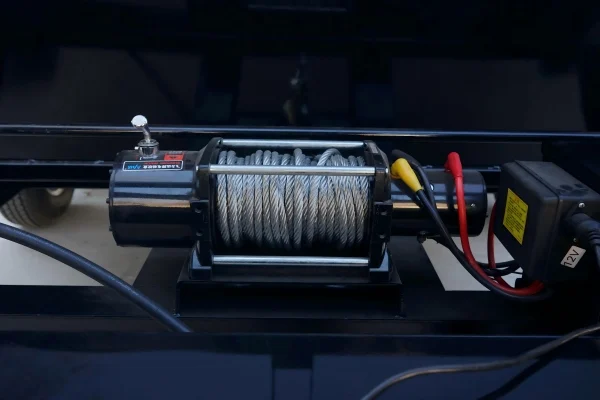
A car tow winch is designed to apply a constant, controlled pulling force to move a vehicle onto a tow deck. Unlike towing or pushing methods that rely on momentum or manpower, a winch allows you to move a vehicle inch by inch. This level of control is especially important when loading vehicles that cannot drive under their own power or vehicles with sensitive bodywork and low ground clearance. In real-world use, a winch becomes less of a tool and more of a safety system.
Why a winch is essential for off-road vehicles
When a vehicle won’t start or can’t move under its own power, a winch is often the only safe option. Attempting to push a heavy vehicle on ramps can easily result in loss of control, injury or damage. A winch allows you to stay out of the vehicle’s path while maintaining full control of the load speed. This is especially valuable when working alone or in small spaces where additional helpers are not available.
Choosing the right winch for your car trailer
Selecting the correct winch is the foundation of a reliable car trailer winch setup. The most common mistake people make is choosing an underpowered winch for the vehicles they intend to load. In practice, winches rarely operate in perfect conditions. Slopes, rolling resistance and misalignment increase the actual load on the winch.
Understand winch capacity and vehicle weight
A proven rule of thumb is to choose a winch with a capacity of at least one and a half times the weight of the heaviest vehicle you intend to lift. For example, if your heaviest vehicle weighs 4000 pounds, a winch for 6000 pounds or more provides a margin of safety. This margin helps prevent overheating, premature wear, and sudden failure under load.
Manual winch vs electric winch for car trailers
Manual winches are simple, affordable and require no electrical setup. They are suitable for lighter vehicles and for occasional use. Electric winches, however, are much more practical for frequent loading or heavier vehicles. With an electric winch, you control the load with a switch instead of physical effort, which reduces fatigue and improves consistency during loading.
Key components of a proper winch setup
A winch alone is not enough. A complete car trailer winch setup includes several supporting components that ensure the winch can operate safely and efficiently. Each component plays an important role in distributing the load, guiding the winch line and securing the vehicle during loading.
Winch mounting plate and structural support
The winch mounting plate must be securely attached to the trailer frame, not just the surface of the deck. The trailer frame carries the load and mounting the winch to anything weaker can cause flexing or failure. A properly designed mounting plate distributes pulling force evenly across the frame and keeps the winch aligned under load.
Channels, hooks and fixing points
A grommet guides the winch line and prevents it from rubbing against sharp edges. Hooks or shackles must be rated for the same load as the winch and must be attached to the recovery points on the solid vehicle. Using undersized or worn hardware is one of the most common causes of winch-related accidents.
Where to mount a winch on a car trailer
Winch placement affects both performance and safety. The ideal mounting position allows a direct pull of the winch drum to the vehicle. This minimizes side load on the cable and reduces wear on the winch and cable.
Center mount for balanced pull
Mounting the winch in the center of the trailer provides the most balanced pulling force. A centered configuration keeps the vehicle in line with the trailer deck and reduces the risk of the cable sliding to one side of the drum during loading.
Winch installation step by step
A proper installation process ensures long-term reliability. Rushing this step often leads to loose hardware, misalignment and premature wear. Taking time during installation saves time and money later.
Preparing the trailer frame
Before installation, inspect the trailer frame for cracks, corrosion or weak welds. Clean the mounting area and confirm that the frame can support the winch load. Any existing structural problems must be repaired before adding a winch.
Assembly and fixing of the winch
Securely attach winch using all recommended mounting holes and high quality fasteners. Tighten evenly and recheck torque after first few uses. A winch that moves under load is a sign of improper mounting.
Securely wired from an electric winch
Electrical safety is an important part of an electric car trailer winch setup. Poor wiring can cause voltage drop, overheating or total failure at the worst possible time.
Power supplies and cable routing
Some configurations draw power from the towing vehicle, while others use a dedicated towing battery. A dedicated battery provides more consistent performance and reduces stress on the tow vehicle’s electrical system. Cables should be routed away from sharp edges and secured to prevent movement.
Testing and using the winch configuration
Before loading a vehicle for the first time, test the winch with no load and then with a light load. This confirms correct wiring, alignment and operation. Controlled testing increases confidence and helps identify problems early.
Maintenance for long-term reliability
Regular inspection and maintenance extends the life of your winch setup. Check the cable or rope for fraying, inspect the mounting hardware and make sure the electrical connections are kept clean and tight. Preventive maintenance is much easier than emergency repairs.
Frequently asked questions about car trailer winch setup
What size winch is best for a car trailer
The best winch size depends on the weight of the vehicle. A winch rated at least one and a half times the weight of the vehicle provides a safe and reliable margin for real world conditions.
A winch can damage my vehicle
A properly used winch will not damage a vehicle. Damage usually occurs when pulling from weak attachment points or using excessive speed. Always stretch from nominal recovery points and maintain a slow, controlled movement.
It is a worthwhile electric winch
For frequent use or heavier vehicles, an electric winch is worth the investment. Improves safety, reduces effort and makes loading more consistent.
Do I need a cable for a trailer winch?
yes A cable grommet protects the winch line and ensures smooth operation. Running without one significantly increases wear and tear and the risk of failure.
How often should I inspect winch settings
Inspect winch settings before each use. Regular inspection helps catch wear, loose hardware, or electrical problems before they become serious problems.
Conclusion
A well-designed car trailer winch setup transforms vehicle loading from a risky task to a controlled process. By choosing the right winch, mounting it correctly, wiring it safely, and maintaining it regularly, you create a system that protects both equipment and people. In the long run, a proper winch setup isn’t just an upgrade, it’s an investment in safety, efficiency and peace of mind.
