

Engineers know that energy modeling is a moving target. Trying to design sustainable buildings and meet the strictest clean energy and carbon reduction targets imposed by government and the client has led many to turn to Integrated Environmental Solutions’ virtual environment to model the energy performance of the structures they design.
even such a robust design environment required some manual calculations for in-depth thermal bridge analysis and manual coding for the heat gain and rejection coil systems—that is, until now.
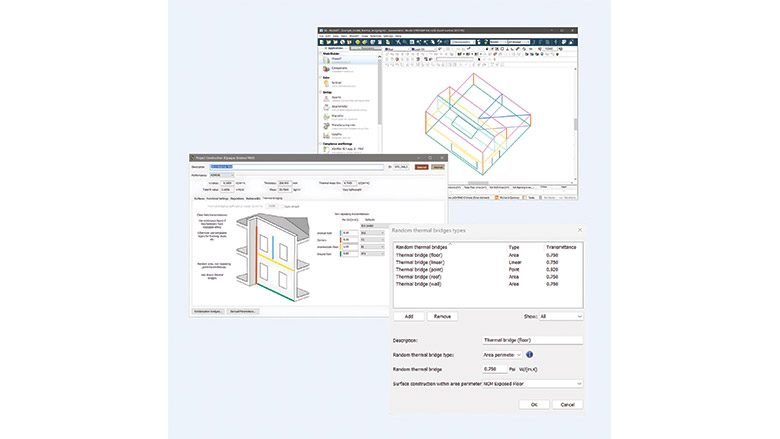
In late 2025, the company updated the virtual environment with new tools for thermal bridge modeling to eliminate often time-consuming manual calculations and tools for modeling hazard analysis and risk control systems, without the need for coding. This modeling is essential in the design of volumes in hospitals, laboratories and other environments that require simultaneous heating and cooling. The IES APACHE engine is known for its ability to actually model energy performance rather than just providing material or equipment usage options as some other tools do.
The latest IES updates, released in February, include more support for the 2025 California Title 24 energy code cycle, allowing engineers to generate compliance documentation directly from the same 3D building model they used for design.
In many workflows today, engineers still extract data from a design model and feed it back into form-based tools to produce a certificate of compliance. The updated workflow evaluates Title 24 rules directly within the simulation model, reducing manual re-entry and the risk of discrepancies between the design model and compliance documentation.

Without the need for coding, heating and reject coil systems can be modeled.
Screenshot courtesy of IES
The update introduces what’s called a Climate Assessment Report designed to help project teams assess climate risks early in the conceptual design process and generate a report that analyzes location-based climate data to identify current and projected hazards, such as extreme heat. This produces visualizations and narrative results that help architects and engineers consider resilience strategies before detailed 3D modeling begins and aligns with requirements such as the US Green Building Council’s LEED v5 climate resilience assessment prerequisite.
“APACHE is actually an acronym,” says Liam Buckley, senior vice president and chief product officer at IES, who is a voting member of ASHRAE’s technical committee. He says the acronym stands for HVAC Engineering Application, “so engineers can generate a bunch of variables.”
Looking for quick answers on construction and engineering topics?
Try Ask ENR, our new intelligent AI search tool.
Ask ENR →
New updates to the IES Virtual Environment leverage APACHE to perform full-loop calculations of heating coil and waste systems. In addition, IES has added locations for its parametric modeling tool to convert the modeling process of a data center or large commercial building of up to five days to collect accurate location data in approximately half a day. One of the problems engineers still had was the transfer of heat through materials or insulation to spaces where it wasn’t supposed to go and messing up energy consumption calculations.
“We tried to address this with a major update to the APACHE engine that accurately captures all thermal bridges in a building,” says Buckley. A tower with air conditioning under the window is a type of building that is full of thermal bridges. The new tool identifies bridges and calculates APACHE mitigation strategies instead of requiring manual calculations. Users can still decide which offers the best mitigation strategies.
“The first feedback we got about thermal bridging from a customer was from an engineer,” says Buckley. “He said to me, ‘Architects are going to love this.’ I think it’s really going to open up a new user base for us within architecture, because it gives them something else to optimize for.”
