

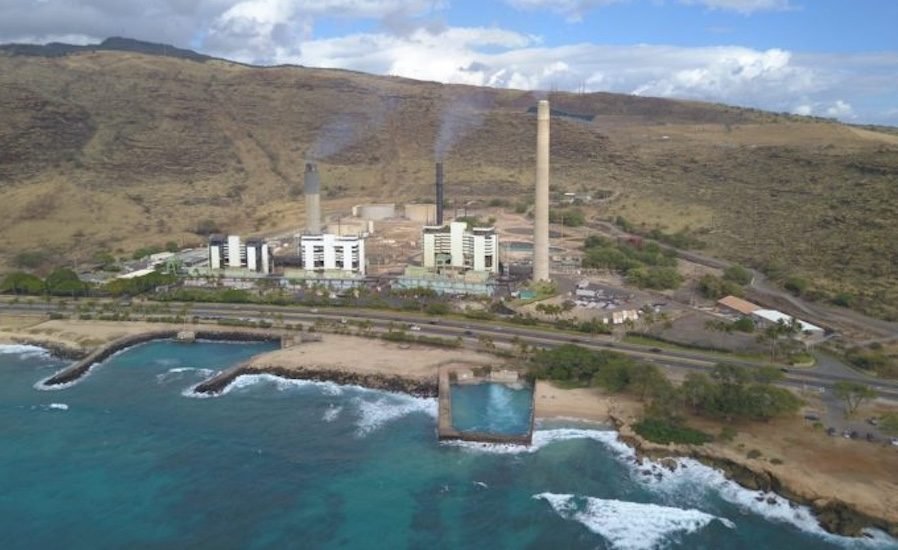

Tokyo-based JERA Co. has an energy proposal for Hawaii: a 500 MW combined-cycle and simple-cycle hybrid power plant on Oahu, backed by an offshore liquefied natural gas facility. The estimated $2 billion project plan by Japan’s largest energy supplier follows its agreement with state officials last October as part of Japan’s commitment to the Trump administration for new US energy investments.
JERA’s plan aims to replace the island’s aging oil-fired generation, which is estimated to cut energy costs by 20 percent, but opponents say it moves Hawaii away from a previously stated goal of weaning off fossil fuel power by 2045 and adds new risks.
JERA has at least partial ownership of 10 power facilities in the US and by 2025 has agreed to increase LNG purchases here through deals of up to 5.5 million metric tons per year, over the next two decades, from suppliers including Sempra, NextDecade and Cheniere. Hawaii’s energy providers scrapped plans to build an LNG import terminal a decade ago to avoid the long-term impacts of the fossil fuel commitment on costs and carbon emissions.
Gov. Josh Green (D), noting the state’s growing demand for energy and the need for a “bridge fuel,” said the JERA proposal “represents a transformative overhaul of our power grid and a tangible step toward weaning Hawaii from its historic dependence on oil, while bringing billions of dollars in new energy investments to the state.” John O’Brien, CEO of JERA Americas, added that it “presents a path to lower costs for residents and businesses, strengthen reliability and support Hawaii’s clean energy goals.”
Earthjustice claims the JERA plan could increase costs for Hawaii consumers, pointing to claimed mathematical errors in the proposed project’s cost-benefit calculations. Matthias Fripp, director of global policy research at clean energy think tank Energy Innovation and a former professor of electrical engineering at the University of Hawaii, told state lawmakers at a hearing last month that errors in a Hawaii State Energy Office study “artificially inflate the LNG benefit by at least $1.2 billion.” Both the office and JERA dispute his claim.
“Hawaii Gas supports efforts to strengthen and develop a pipeline infrastructure network that will be capable of delivering the decarbonized fuels of the future, including the renewable natural gas and hydrogen we currently combine in our fuel mix on Oahu,” said Alicia Moy, CEO of Hawaii Gas.
About 75% of JERA’s investment is tied to the new gas-fired facility to be built in Kapolei, about 20 miles west of Honolulu, with the remainder tied to LNG-related infrastructure, including a floating storage and regasification unit. Commercial operation is planned for 2030. JERA said it plans to start the permitting process in the “coming months.”
Meanwhile, the Hawaii Public Utilities Commission last month approved an estimated $2 billion plan by state-owned Hawaiian Electric Co. to replace six aging petroleum steam generating units at Oahu’s Waiau Power Station with new fuel-flexible simple cycle combustion turbines totaling 243 MW. The plant’s operation dates to 1938. The project is slated for completion in 2033, but public and state officials dispute the cost impact on taxpayers and other project issues.
Looking for quick answers on construction and engineering topics?
Try Ask ENR, our new intelligent AI search tool.
Ask ENR →
