

Strikes, layoffs, and unions may feel more common this year, demonstrating a growing expression of employee power and voice in the workplace. according to an October 16 report from Forrester.
While employee power can scare or alienate leaders, it provides a strong signal about misalignments, safety hazards and other knowledge derived from employees, the report said. To use this source of information, leaders can seek to create an employee experience that unlocks the positive aspects of employee voice in their companies.
“Leaders should keep an eye on strikes, but they should focus their actions on a broader framework of employee empowerment,” said JP Gownder, vice president and principal analyst at Forrester. he wrote on the company’s blog.
“Employee power in all its forms gives you a valuable signal,” he said. “It tells you there is a mismatch between management and employees on key issues.”
So far this year, more than 453,000 American workers have participated in 312 strike actions, according to the report. According to the report, Walgreens pharmacists participated in a walkout, citing staffing shortages that put employees and patients at risk. Kaiser Permanente workers also had one strike to negotiate contracts.
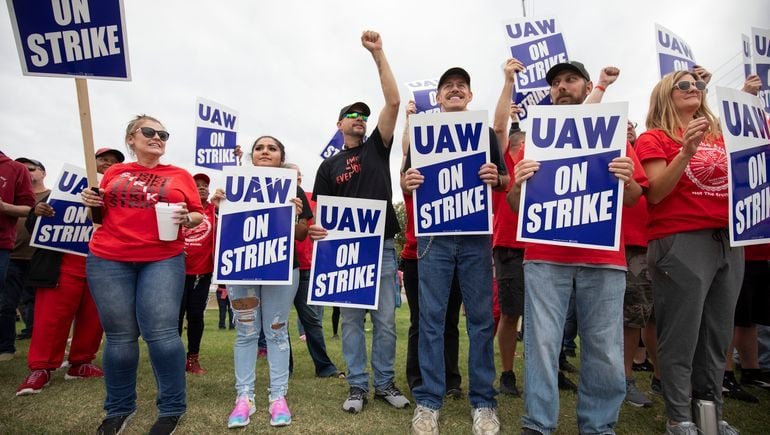
In one of the most important moves this year, the The United Auto Workers went on strike after failing to reach labor agreements with General Motors, Ford and Stellantis. That, along with the Screen Actors Guild strike, could make 2023 the biggest strike year in four decades, according to the report.
In a broader work context, this shift in employee power parallels the rise of consumer power in recent decades, according to the report. With connected technology, more options and numerous channels of communication, employees are better informed and expect more from their employers.
“You may be concerned about the impact of strikes on the future of your workforce,” Gownder wrote. “We suggest considering strikes as part of a larger phenomenon: that of employee power, one of four shocks reshaping the future of work in the next decade.”
