

Gooseneck Tilt Bed Trailer: A Practical Guide to Hauling Heavy Equipment and Vehicles
If you regularly move heavy equipment, vehicles or machinery, you know that loading is often the most stressful part of the job. Ramps slide, corners feel too steep and winches take time. A gooseneck tilt bed trailer is designed to eliminate these pain points. Instead of forcing the load onto the deck, the trailer meets the ground, creating a smooth and controlled transition. This design is widely used by contractors, farmers, equipment rental companies and professional haulers because it improves safety, efficiency and long-term reliability.

What is a gooseneck tilt bed trailer
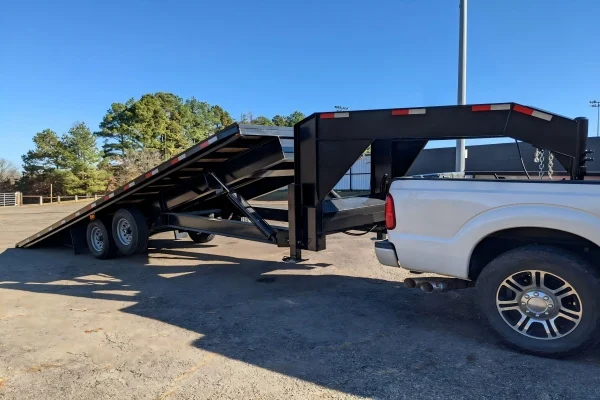
A gooseneck tilt bed trailer is a heavy-duty trailer that connects to a pickup truck via a gooseneck hitch mounted on the truck bed. The defining feature is the tilting roof. Instead of using fixed ramps, the entire deck slopes down to ground level, allowing vehicles or equipment to be driven or rolled directly onto the trailer. Once the load reaches the balance point, the deck returns to a flat position for transport. This makes the gooseneck tilt bed trailer particularly useful for short clearance vehicles and heavy machinery.
How the tilting bed mechanism works
The tilt mechanism works by shifting weight to the rear of the trailer or using hydraulic power. In gravity tilt systems, the deck tilts when the load moves past a pivot point. In hydraulic tilt systems, a cylinder controls the movement of the deck. Both designs aim to reduce the loading angle and eliminate the need for external ramps. This simple yet effective concept is what makes a gooseneck tilt bed trailer so popular for frequent loading and unloading duties.
Why the gooseneck design makes a real difference
The gooseneck connection places the weight of the trailer directly on the rear axle of the truck. This improves balance and stability, especially when carrying heavy loads. Compared to bumper trailers, a gooseneck tilt bed trailer feels more planted on the road. Steering is more predictable, braking is smoother and rocking is significantly reduced. For long-distance or road transport, this stability translates into better control and less driver fatigue.
Better weight distribution and control
Proper weight distribution is critical when transporting heavy equipment. A gooseneck tilt bed trailer distributes the load more evenly between the truck and trailer axles. This reduces stress on the hitch and improves overall towing performance. Many operators describe it as the difference between pulling a balanced load and constantly struggling with the flywheel.
Tilt Bed Trailer vs Fixed Deck Trailer
Fixed deck trailers rely on ramps for loading, which introduces extra steps and safety risks. Ramps can move, bend or become slippery in wet or muddy conditions. A gooseneck tilt bed trailer eliminates these problems by allowing the deck to be tilted. This reduces setup time and minimizes the chance of accidents during loading.
Comparison of charging efficiency and security
With a tilt bed trailer, loading often takes several minutes. Align the trailer, tilt the deck and drive the equipment. No need to adjust ramps or reposition blocks. This efficiency is especially valuable in busy workplaces where time directly affects productivity and costs.
Key components of a gooseneck tilt bed trailer
Understanding the main components helps buyers evaluate quality and durability. A well-built gooseneck tilt bed trailer is designed for years of demanding use.
Structural design and frame
Most gooseneck tilt bed trailers use reinforced steel frames with heavy sleepers. This structure supports high load capacities and resists twisting under uneven loads. High-quality welding and corrosion protection are essential for long-term durability.
Hydraulic or gravity tilting system
Hydraulic tilt systems provide precise control and are ideal for heavier equipment. Gravity tilt systems are simpler and require less maintenance. Choosing the right system depends on the weight of the load, the terrain and how often the trailer is used.
Axles, suspension and deck surface
Tandem or triple axles distribute weight evenly and improve road handling. Suspension systems absorb shock and protect both the trailer and the load. Deck surfaces are usually treated wood or steel, offering durability and traction during loading.
Common uses for a gooseneck tilt bed trailer
A gooseneck tilt bed trailer is used in many industries for its versatility and reliability.
Heavy Equipment and Construction Machinery
Skid steers, skid steers, and skid steers are commonly transported on tilt-bed trailers. The low load angle reduces stress on the tracks and tires, making the process safer for both the equipment and the operator.
Transport of vehicles and automotive
Car haulers appreciate how easy it is to load low-profile or modified vehicles. With no ramps, there is less risk of scraping bumpers or undercarriages.
Agricultural and industrial applications
Farmers use gooseneck tilt bed trailers to move tractors, harvesters and attachments. Industrial users rely on them to transport generators, elevators and heavy tools between sites.
Load capacity and weight ratings explained
Choosing the right capacity is critical to security and legal compliance. A gooseneck tilt bed trailer is rated by its gross vehicle weight, which includes the trailer and cargo combined. Always select a trailer that exceeds your usual load requirements to allow for flexibility and future needs.
Safety features that matter
Security should never be an afterthought. High-quality braking systems, secure cover locks and non-slip surfaces contribute to safer operation. These features protect not only the cargo, but also the driver and other people on the road.
Long-term maintenance and durability
Regular maintenance extends the life of a gooseneck tilt bed trailer. Inspect hydraulic lines, check fluid levels, and examine axles and brakes routinely. Steel frames require rust prevention, while deck surfaces must be kept clean and free of debris to maintain traction.
It is a gooseneck tilt bed trailer that is worth the investment
While the initial cost is higher than a basic platform, the long-term value is clear. Faster loading, reduced labor, improved safety and less equipment damage all contribute to lower operating costs over time. For professionals who transport frequently, the investment often pays for itself.
Frequently Asked Questions about Gooseneck Tilt Bed Trailers
A gooseneck trailer is better than a ramp trailer
For frequent loading of heavy or wheeled equipment, a gooseneck tilt bed trailer is generally best. It reduces set-up time, reduces the loading angle and minimizes the safety risks associated with ramps.
Do I need a special truck to tow a gooseneck tilt bed trailer?
yes You need a truck equipped with a gooseneck hitch and a towing capacity that equals or exceeds the total weight of the towing vehicle. Most heavy duty trucks are suitable.
A tilt bed trailer can be used on uneven terrain
Hydraulic tilt bed trailers work best on uneven terrain because the tilt can be controlled. Gravity tilt systems work best on relatively flat ground.
How much maintenance does a gooseneck tilt bed trailer require?
Maintenance requirements are moderate. Regular inspections of the hydraulic system, brakes, axles and tires are usually enough to keep the trailer in good condition.
What should I consider before buying a gooseneck tilt bed trailer?
Consider your typical load weight, load frequency, terrain and truck compatibility. Choosing the right size and configuration ensures better performance and long-term satisfaction.
