

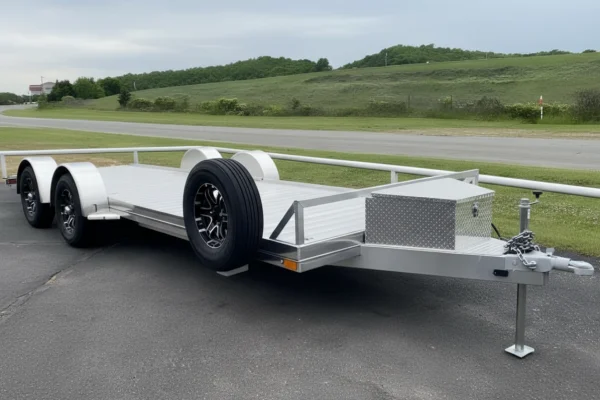
Car hauler trailer kit basics for real world towing
Buyers who want more control, more flexibility and better value compared to buying a fully assembled trailer often choose a car hauler trailer kit. Rather than accepting a fixed configuration from the factory, a trailer kit allows you to build a car hauler that fits your actual towing needs, vehicle types, and frequency of use. For many owners, this approach leads to better long-term reliability, easier maintenance and a deeper understanding of their trailer’s performance on the road.

What is a car transporter trailer kit and how does it work?
A car hauler trailer kit is a packaged set of structural and mechanical components designed to be assembled into a complete car trailer. These kits usually include the main frame sections, axle assemblies, suspension components, coupling hardware, safety chains, and mounting hardware. Some kits also include brake and wiring assemblies, while others allow buyers to choose these items separately based on local regulations or towing preferences.
The key advantage of a car hauler trailer kit is that it separates manufacturing from assembly. This means that the buyer controls how the trailer is built, how it is finished, and what optional components are added. For anyone who plans to haul vehicles regularly, this level of involvement often translates into greater confidence and safer towing decisions.
Why many buyers choose a car hauler trailer kit over a full trailer
One of the most common reasons buyers choose a car hauler trailer kit is cost effectiveness. Trailer kits typically cost less than finished trailers with similar load ratings because factory labor, dealer margins, and oversize transportation costs are reduced. For buyers who are comfortable with basic mechanical assembly, this cost difference can be substantial.
Another important reason is customization. The finished trailers are designed for the mass market, which means compromises are inevitable. A car hauler trailer kit allows buyers to select axle ratings, deck materials, ramp styles and braking systems to suit specific vehicle weights and loading conditions. Over time, this customization can reduce wear and tear, improve trailer stability, and lower maintenance costs.
Basic components included in most car hauler trailer kits
Frame structure and load design
The frame is the structural foundation of any car hauler trailer kit. Most kits use heavy-duty steel channel or box tubing designed to distribute the vehicle’s weight evenly between the axles. A well-designed frame reduces flex under load, improves tracking at highway speeds, and minimizes long-term fatigue cracks. Buyers should always verify that the frame design supports the gross weight rating of the intended vehicle rather than relying solely on axle capacity.
Axles, suspension and hub assemblies
Axle selection plays an important role in trailer safety and durability. Most car hauler trailer kits use tandem axle configurations because they offer better stability, smoother ride characteristics, and greater load capacity. Suspension systems such as leaf springs or torsion axles help absorb shocks from the road and protect both the trailer and the vehicle being transported. Hub quality is also important, as well-sealed bearings reduce heat build-up and extend service intervals.
Braking systems used in car transport trailer kits
Braking performance is one of the most critical safety factors in any car hauler trailer kit. Electric trailer brakes are the most common choice because they integrate easily with modern towing vehicles and provide proportional braking based on driver input. When hauling heavier vehicles, dual axle brakes are recommended to ensure consistent stopping power and reduce brake fade on long descents.
Buyers should also confirm brake controller compatibility before purchasing a kit. Even a well-built trailer cannot compensate for a poorly configured braking system.
Cover options and their impact on performance
Cover material affects weight, traction, maintenance and long-term durability. Pressure-treated wood decks are popular for their affordability and ease of replacement. Steel decks provide strength, but add significant weight, which can reduce usable payload. The aluminum deck offers the best balance between weight savings and corrosion resistance, making it ideal for frequent or long-distance transport, especially in wet or coastal environments.
Loading systems and ramp configurations
Car hauler trailer kits usually support multiple ramp configurations. Sliding ramps are cost-effective and easy to store, while folding ramps offer faster loading and reduced setup time. Some kits can be adapted to tilt roof configurations, which completely eliminate ramps and make it easier to load vehicles with low ground clearance. The correct choice of ramp depends on the height of the vehicle, the distribution of the weight and the frequency with which the load occurs.
Weight ratings, legal compliance and towing safety
Understanding weight ratings is essential when assembling and operating a car hauler trailer kit. The gross vehicle weight rating and gross axle weight rating must always be respected to maintain safety and legal compliance. Buyers should also consider tongue weight balance, as improper distribution can cause sway and reduce steering control.
Registration and inspection requirements vary by region. Some jurisdictions require a VIN assignment or safety inspection after assembly, so it’s important to check local regulations before putting the trailer into service.
Assembly expectations and skill requirements
Assembling a car hauler trailer kit usually requires basic mechanical skills, common hand tools and careful attention to instructions. Most bolt-on kits can be assembled in a weekend or two. Although welding is not always necessary, a professional inspection of the brakes and wiring is recommended before towing at highway speeds.
Maintenance responsibilities after assembly
Regular maintenance ensures long-term reliability. Lubrication of bearings, inspection of brakes, checks of clamping torque and checking of the condition of the cover should be performed at scheduled intervals. Because the trailer was assembled by the owner, diagnosing problems is often faster and more accurate compared to factory built trailers.
Frequently asked questions about car transporter trailer kits
Is a car hauler trailer kit safe for long distance towing?
Yes, a properly assembled car hauler trailer kit is safe for long distance towing when all components are properly rated and regularly maintained. Safety depends more on proper mounting, weight management, and brake setup than whether the trailer was factory built or assembled from a kit.
Do car hauler trailer kits save money in the long run?
In many cases, they do. A lower initial purchase cost combined with customizable components often leads to reduced maintenance and fewer premature upgrades. Over time, these factors can lead to a lower total cost of ownership.
Can beginners assemble a car transporter trailer kit?
Beginners with basic mechanical skills can assemble most car hauler trailer kits by following the instructions carefully. Seeking professional assistance for brake setup or final inspection is recommended for novice builders.
What vehicles are best suited for a car hauler trailer kit?
Car hauler trailer kits are suitable for passenger cars, light trucks, project vehicles and racing cars, as long as the kit is properly rated. Buyers should always select axle and brake configurations that exceed the heaviest vehicle they plan to transport.
How long does a car transporter trailer kit usually last?
With proper maintenance and corrosion protection, a well-built car hauler trailer kit can last for decades. The quality of the frame, the selection of axles and the regular inspections are the main factors that influence the service life.
