

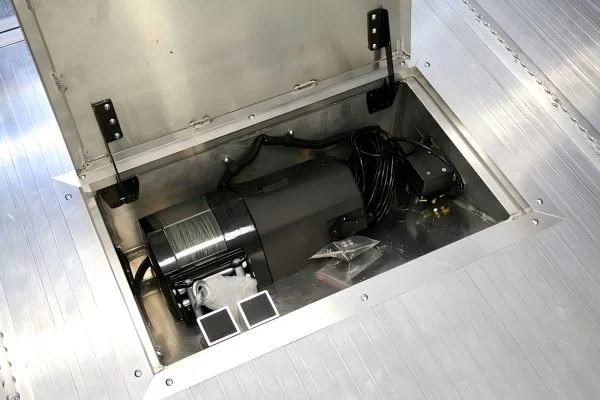
Car trailer turn box guide for safe and efficient towing
If you want to transport vehicles safely, a car trailer winch box is not just an optional accessory, but a critical upgrade that directly affects the efficiency, safety and life of the equipment. Many trailer owners underestimate the amount of damage that exposure, poor mounting, or improper storage can cause to a winch system over time. A well-designed winch case protects your investment from inclement weather, road debris, theft and mechanical wear and tear while improving operational comfort during loading and unloading. Whether you’re running a car hauling business, managing a fleet or just transporting vehicles occasionally, choosing the right winch box can significantly reduce downtime and maintenance costs. In this guide, we’ll break down everything you need to know about car trailer winch boxes, including types, materials, installation, actual use, and how to choose the best one for your needs.

What is a car trailer winch box and why is it important
A car trailer winch box is a protective enclosure specifically designed to house and secure a winch mounted on a trailer. Instead of leaving your winch exposed to rain, dust, mud and road salt, the winch case acts as a shield that extends the life of your equipment and keeps it ready for use at all times. Think of it as protective armor for one of the most important components of your trailer setup. Without a winch box, even a high-quality electric or hydraulic winch can quickly degrade due to corrosion, electrical problems, or mechanical contamination. For operators who frequently work in outdoor or industrial environments, this protection becomes even more critical. Additionally, winch boxes often come with lockable lids, which adds a layer of security against theft, especially when trailers are parked overnight or stored in open yards.
Key benefits of using a winch box on car trailers
The biggest benefit of using a car trailer winch box is protection, but that’s just the beginning. A well-built winch box improves your workflow, lowers long-term costs, and improves overall trailer safety. First, it protects the winch from environmental damage such as rainwater, UV exposure, and dust build-up. This means less breakdowns and less maintenance. Second, it provides better organization by keeping cables, hooks, and accessories neatly stored. Third, it improves safety by preventing loose or exposed components from causing hazards during transport. Fourth, many winch boxes include locking mechanisms, which reduce the risk of theft. Finally, having a dedicated enclosure ensures that the winch is always ready for operation, eliminating delays caused by equipment failure or cleaning requirements before use.
Types of car trailer winch boxes
Steel winch boxes
Steel winch cases are known for their durability and strength, making them a popular choice for heavy-duty applications. If you are hauling large vehicles such as trucks, SUVs or construction equipment, a steel winch box offers maximum protection against impacts and harsh conditions. These boxes are usually powder coated or galvanized to resist corrosion, although they still require regular maintenance to prevent rusting over time. The main advantage of steel is its ability to withstand physical stress and provide high security, especially when combined with reinforced locking systems. However, steel winch boxes are heavier than other options, which can slightly affect overall trailer weight and fuel efficiency.
Aluminum winch boxes
Aluminum winch boxes are lightweight, corrosion resistant and ideal for operators who prioritize efficiency and ease of installation. Unlike steel, aluminum naturally resists rust, making it perfect for coastal or wet environments where corrosion is a major concern. These boxes are easier to handle and install, which reduces work time during setup. Although aluminum is not as strong as steel, modern designs often include reinforced structures that provide sufficient protection for most standard car trailer applications. If you’re looking for a balance between durability and weight, aluminum winch boxes are an excellent choice.
Plastic or polymer winch boxes
Plastic or polymer winch cases are typically used for lightweight applications where cost and weight are primary considerations. These cases are rust-resistant and can withstand moderate environmental exposure, but may not offer the same level of impact resistance as metal options. For occasional use or smaller trailers, polymer winch boxes can be a practical and affordable solution. However, for professional or high-frequency towing operations, investing in metal construction is usually a better long-term decision.
How to choose the right winch box
Choosing the right car trailer winch box starts with understanding your specific usage scenario. Are you transporting vehicles daily or only occasionally? Operate in adverse weather conditions or controlled environments. These factors directly influence your decision. For heavy-duty commercial use, a weather-sealed steel winch box is recommended. For mid-level use, aluminum offers a great balance between strength and weight. You should also consider the size of your winch, available mounting space on your trailer, and compatibility with your existing setup. Another important factor is ease of access. A well-designed winch box should allow quick access to controls and cables without requiring complex disassembly. Always prioritize quality over price, as a cheap winch box can lead to higher maintenance costs in the long run.
Installation tips for car trailer winch boxes
Installing a winch box correctly is just as important as choosing the right one. Start by selecting a stable mounting location on your trailer, usually near the front where weight distribution is optimal. Make sure the mounting surface is strong enough to support both the winch and the box. Use high quality screws and brackets to secure the box firmly and check all connections to prevent movement during shipping. It is also essential to line up the winch cable with the trailer deck to avoid uneven pulling forces. If your winch is electric, make sure all wiring is properly insulated and protected from moisture. An improperly installed winch box can lead to operational problems, safety hazards, and even structural damage to your trailer.
Long-term maintenance and care
Even with a winch box, regular maintenance is still necessary to ensure optimal performance. Periodically inspect the box for signs of wear, corrosion or damage. Clean the interior to remove dust, dirt and moisture that may accumulate over time. Lubricate moving parts and check the condition of seals and hinges. For steel winch cases, the application of anti-rust coatings can extend their useful life significantly. For aluminum boxes, it is important to check for dents or structural stress. Maintaining your winch case not only protects your equipment, but also ensures reliable performance when you need it most.
Real world applications and use cases
Car trailer winch boxes are widely used in different industries and applications. Professional car transporters rely on them to transport multiple vehicles safely and efficiently. Car dealerships use winch boxes to handle vehicle loading without damaging high-value cars. Race teams depend on them for fast and reliable charging during events. Even farmers and construction operators use winch boxes to move equipment around job sites. In all these scenarios, the common goal is to protect the winch, improve efficiency and reduce downtime. A well-chosen winch box becomes an essential part of the overall towing system.
conclusion
A car trailer winch box is more than just a protective accessory. It’s a smart investment that improves safety, improves efficiency and extends the life of your towing equipment. By choosing the right equipment, ensuring proper installation and regular maintenance, you can significantly improve your towing operations. Whether you are a professional operator or a casual user, understanding the importance of a winch box will help you make better decisions and achieve more reliable results in your hauling tasks.
Frequently asked questions
What size winch box do I need for my trailer?
The size of the winch box depends on the dimensions of the winch and the space available in the trailer. Always measure your winch carefully and choose a box that provides enough room for operation and cable movement. A slightly larger box is often better than one that is too tight.
They are aluminum winch boxes strong enough for heavy loads
Yes, aluminum winch cases are strong enough for most standard applications, especially when designed with reinforced structures. However, for extremely heavy use, steel may still be the preferred choice.
Can I install a winch box myself?
Yes, many winch boxes are designed for DIY installation, but they require proper tools and basic mechanical knowledge. If unsure, professional installation is recommended to ensure safety and performance.
Winch boxes prevent theft
Most winch boxes come with lockable lids that provide a level of security against theft. While they may not be completely theft-proof, they significantly reduce the risk compared to leaving the winch exposed.
How often should I maintain my winch box?
It is recommended to inspect and maintain the winch box every few months, especially if you use the trailer frequently or operate in harsh environments. Regular maintenance ensures long-term reliability and performance.
