

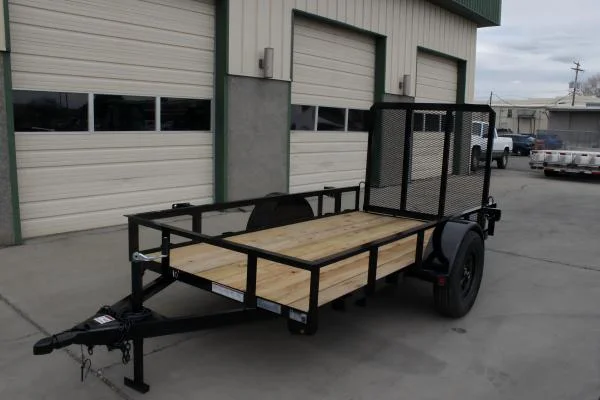
Choose the appropriate car trailer single axis
What is a single -axis car trailer?
A single -shaft car trailer is a type of trailer that has only one axis and two wheels. It is designed to carry light on moderate loads and is ideal for people or small companies that need a convenient and affordable trailer solution. These trailers are usually easier to maneuver, more affordable and require less maintenance than their double -axis counterparts.

A single axis vs double axis: key differences
Number of wheels and load capacity
The most obvious difference is the number of axes and wheels. The one -shaft trailers have an axis and two wheels, while the double -shaped trailers have two axes and four wheels. This difference considerably affects the stability of the trailer and weight capacity: Single axis trailers are generally suitable for loads less than 3,000 pounds.
Maneuverability and maintenance
Single axis trailers are more maneuverable, especially in tight urban spaces or narrow roads. They also usually have minor maintenance costs, as there are fewer tires, brakes and parts at the service.
Advantages of a single shaft trailer
Light and easy towing
One of the biggest advantages of one -shaft trailers is its light design. This makes them easier to tow, even with smaller vehicles. Lightest weight also improves fuel efficiency for trailer vehicle.
Lower costs
From the initial purchase price to the ongoing maintenance and repair costs, the one -axis trailers are significantly more profitable than the double -axis trailers. They are a smart choice for budget conscious buyers.
Disadvantages of a single shaft trailer
Limited load capacity
The one -shaped trailers are not built to carry extremely heavy loads. Overloading a single -axis trailer may lead to tire wear, reduced stability and safety problems. It is important to keep it within the recommended weight limits of the manufacturer.
Less stability at high speeds
Although easier to maneuver, one -shaft trailers may experience more swinging and less stability when traveling at higher speeds or long distances. Drivers must be cautious and ensure proper load balance.
Common uses for one -axis trailers
These trailers are versatile and are used in various scenarios: – Motorcycle transportation, small cars or grass equipment: tools and transport materials for landscaping or lightweight construction.
How to choose the trailer of the appropriate single axis
Understand your load requirements
Determine the average and maximum weight you want to carry. This will help you choose a trailer with the gross vehicle’s dirty weight rating (GVWR).
Size and dimensions
Select a trailer that offers a suitable space for your computer without being excessively large. Excessive size can cause rushed fuel and more difficult maneuvers.
Important specifications
Key functions to search include: – frame material (steel or aluminum) – brake system (electric or hydraulic)
Legal considerations
Regulations vary by country and region. In many places, trailers with some weight require special driving license or must be equipped with their own braking system. Always check with your local transport authority before purchase.
Maintenance Tips
To expand your trailer’s life: – Check the tire pressure and step on a regular basis – Grease the wheel pads – Wash dirt and salt after each use to avoid the yolk. Inspect the lights and wiring system periodically
Personalization options
Many owners choose to add personalized functions such as toolboxes, updated lighting or aluminum ramps. Some trailers also allow to update the axes if the future load needs to change.
Driving tips for safety
Ensure the load is balanced with approximately 60% to the front of the trailer. Practice wide vaults and allow for longer braking distances. Always check the Hitch connection before you go out on the road.
The best brands for one -axis trailers
Knowing manufacturers include three horse trailers, Big Tex and PJ trailers. Find models with good user reviews, accessible customer guarantee assistance.
Future trends
Wait for more trailers to have GPS tracking, backup cameras and even brake lamps with solar energy. Ecological materials and smart technology are shaping the next generation of towing solutions.
Conclusion
A single -axis trailer is a versatile and profitable tool for anyone who needs to transport slightly heavyly heavy loads. With smaller operating costs and easier manipulation, it is a practical option for amateurs and professionals. However, it is essential to understand their limitations and follow the best security practices for the best experience.
Frequently asked questions
1. Can I tow a one -shaft trailer on the road?
Yes, most single axis trailers can be legally towed on the roads, as long as they comply with local regulations for lighting, reflectors and load weight. Ensure -You’s that your vehicle is classified to tow the trailer weight.
2. Do I need a special license to tow a single -axis trailer?
In most regions, you do not need a special license if the total weight of the trailer and load is below a certain threshold. Check out your local laws to confirm the limits.
3. How often should I keep my unique axis trailer?
Basic maintenance, such as tire pressure checks and bear fat, must be done monthly. More complete inspection must be performed annually or before long trips.
5. Is it safe for a long -haul travel axis trailer?
Yes, as long as it is loaded and maintained properly. However, for additional stability and heavier loads, a double axis trailer may be more suitable for bottom trips.
5. What are common complements for one -axis trailers?
The most popular accessories include spare tire assemblies, LED lighting, linking systems, and blocking storage boxes. These improvements improve security and functionality.
