

Construction activity fell in November for the third consecutive month, according to the latest S&P Global/CIPS UK Construction Purchasing Managers’ Index (PMI).
The headline figure of 45.5, down slightly from October (45.6), suggested a modest contraction in business. An index of 50.0 would indicate no change in activity, and any lower number would represent a decline.
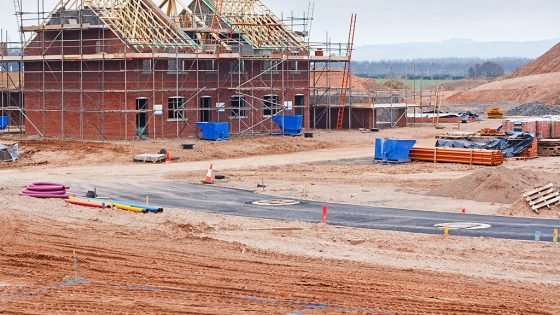
The continued decline was led by weak housing construction activity, with the index at 39.2. The index has shown a decline in home construction over the past 12 months.
However, Kelly Boorman, partner and national head of construction at audit firm RSM UK, said there could be light at the end of the tunnel.
He said: “The Bank of England’s decision to hold its base rate at 5.25 per cent for a second month, after 14 consecutive months of hikes, is encouraging, following months of pipeline disruption with the housing market really feels the pinch.
“It’s always a tough time of year for construction as we head into the winter months, so hopefully this will provide some stimulus to the housing market.”
Civil engineering also recorded a significant decline, with an overall figure of 43.5. The commercial buildings index showed more resilience at 48.1.
Total new orders fell for the fourth consecutive month, suggesting a lack of new work to replace completed projects.
Max Jones, director of infrastructure and construction at Lloyds Bank, said: “The mood has changed within the sector in recent months.
“While inflation is moderating and there is hope that this may signal that costs are starting to become more manageable, many contractors are reaching the end of the current cycle of jobs that were priced before the rates maximum interest and inflation.
“There is a level of anxiety felt by contractors with concerns that profits will be further reduced when the sector is already under significant pressure.”
Brendan Sharkey, construction and real estate specialist at consultancy MHA, also questioned the project’s resilience.
He said: “The pipelines look good on paper, especially for the second half of the year, but with the economy the way it is and interest rates staying the way they are, are these projects going to be delayed?
“The lack of housing or infrastructure announcements in the autumn statement has not helped sector sentiment.”
There were some positives for contractors as procurement costs declined at the fastest pace since July 2009. S&P attributed the trend to lower raw material prices and greater competition among suppliers to as the demand for construction products fell. Average delivery times between vendors were also reduced.
Fraser Johns, chief financial officer at Beard Construction, said: “There is no doubt that it will be a tough end of the year for UK construction and many businesses, with some smaller businesses potentially not making it as far amid a growing number of insolvencies.
“As always, a close look at bidding plans and costs is required in the current climate, as well as ongoing dialogue with customers and suppliers.”
