

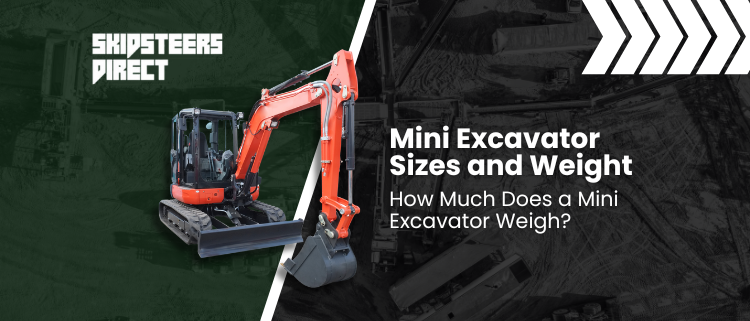
Mini excavators are compact, powerful and specifically designed to work in tight spaces where larger machines simply can’t go. Whether you’re trenching for utilities, excavating a foundation, or handling landscape preparation, these machines offer the right combination of versatility and precision.
In this guide, we’ll break it down weight, dimensions and key specifications of the mini excavator so you can choose the best unit for your job site, trailer or rental plan.
Whether you’re an experienced contractor or a first-time renter, this overview of dimensions of the mini excavatorperformance factors and towing tips will help you make a confident decision.
What is a mini excavator?
A mini excavator, also known as a compact excavator, is a smaller version of a full-size excavator. Designed for light to medium work, mini excavators are valued for their ability to dig, lift and grade in areas with limited access. You’ll find them on residential construction sites, landscaping jobs and utility installations where maneuverability is important.
Despite their smaller size, these machines deliver impressive performance. Most models include a hydraulic boom, arm and bucket, just like their larger counterparts, along with the ability to rotate 360 degrees for efficient digging and material handling.
Mini excavators are also easier to transport, less likely to damage finished surfaces and often do not require special licenses to transport them, making them a preferred choice for contractors, municipalities and even homeowners tackling their own projects.
Popular brands include Bobcat, Caterpillar and John Deere, each offering different sizes of mini excavator to suit different jobs. From ultra-compact units under 4 feet wide to larger models with extended reach and lift capacity, there’s a model for almost any job.

Sizes and dimensions of the mini excavator
When choosing the right machine for your job site, size matters as much as weight. The dimensions of the mini excavator, including height, width, and length, determine where the machine can fit, how deep it can dig, and what kind of trailer or access points you’ll need. Whether you’re working between buildings, through a backyard door, or working close to walls and structures, the compact dimensions can be a game changer.
Here are the key specs to consider:
How wide is a mini excavator?
Mini excavators can be as narrow as 28 inches with the tracks retracted, making them perfect for interior demolition or tight backyard access. Standard compact models are usually 3 to 6 feet wide. Some models even have adjustable track widths, allowing you to expand for stability or retract to get through tight openings.
Height of the mini excavator
It usually ranges from 7 to 9 feet. This affects your ability to work under tree limbs, utility lines, or interior structures.
Length and reach
Longer machines often offer better reach and deeper digging capabilities. Mini excavators are typically 8 to 16 feet long, depending on boom style and tail turn.
Mini Excavator Size Chart
| size class | width | height | Maximum digging depth |
|---|---|---|---|
| Micro (1-2 tons) | 28-36 inches | 7-8 feet | Up to 5-6 feet |
| Compact (3-4 tons) | 4-5 feet | 8-9 feet | 8-10 feet |
| Medium size (5-6 tons) | 5-6 feet | 8-9.5 feet | 11-13 feet |
| Large compact (6-9 tons) | Over 6 feet | 9-10 feet | 13-15 feet |
Choosing the right size mini excavator directly affects how much work you can do and how easily you can do it. A smaller machine may be perfect for tight access, but could limit digging depth or lifting power. On the other hand, a larger unit can handle tougher jobs, but may be more difficult to maneuver or transport.
So, before you rent or buy, ask yourself: What size mini excavator do I need to balance performance, access and efficiency on my job site?
How much does a mini excavator weigh?
The weight of the mini excavator can vary significantly depending on the size, make and features of the machine. In terms of lightness, the ultra-compact models weigh as little as 2,000 poundswhile larger compact units can reach up to 20,000 pounds. Here is a mini excavator weight chart of typical weight ranges:
| Mini Excavator Size | operating weight | Example models |
|---|---|---|
| Micro/Ultra-Compact | 2,000-4,000 pounds | Bobcat E10, CAT 300.9D |
| Small compact | 5,000-7,000 pounds | Deere 17G, CAT 301.8 |
| Medium size compact | 8,000-10,000 pounds | Bobcat E35, CAT 303.5 |
| Great compact | 11,000-20,000 pounds | Deere 60G, CAT 308 |
These numbers represent the operating weightwhich includes the machine, fluids, operator and standard bucket. And remember that different manufacturers like Caterpillar, Bobcat, and John Deere may list slightly different specifications even for similarly sized machines.

How size and weight affect performance
Excavation depth and reach
In general, the bigger and heavier the mini excavator, the deeper it can dig and the further it can reach. A compact 3,000-pound unit can reach a maximum depth of 6 feet, while a 10,000-pound machine can reach up to 12-14 feet.
Lifting capacity and stability
The weight of a mini excavator helps determine how much it can lift without tipping over. Heavier machines offer better counterweight, making them more stable when lifting heavy materials or moving loads to the sides.
Ground pressure and surface impact
Lighter mini diggers put less pressure on the ground, making them ideal for lawns, finished landscaping or delicate surfaces. Heavier models offer more traction and digging power, but can cause more surface damage.
Attachment compatibility
The size and hydraulic capacity of your machine also affects the attachments you can run. Larger machines usually support more powerful and specialized attachments.
Additional attachments or counterweights are also important to consider as they can add to the overall weight of a mini excavator. A heavier machine offers more stability and lifting power, but may require a larger trailer or tow vehicle. Lighter units are easier to transport and maneuver, but may have limited digging depth or reach.
Get the right fit for the job
Understanding the weight, size and specifications of a mini excavator is more than just a numbers game; it’s the key to working smarter, staying safe and getting the job done on time. Whether you’re digging trenches in a tight backyard, lifting loads on a construction site, or hauling equipment between projects, the right dimensions and performance characteristics make all the difference.
Do you need the right accessory for your mini excavator?
No matter what size mini excavator you use, the right accessory can take your productivity to the next level. At Skid Steers Direct, we specialize in high performance accessories designed to fit a wide range of machines from compact models to larger units.
Browse our selection today or arrive with any questions. We’ll help you find the tools that turn your mini excavator into a work center.
