

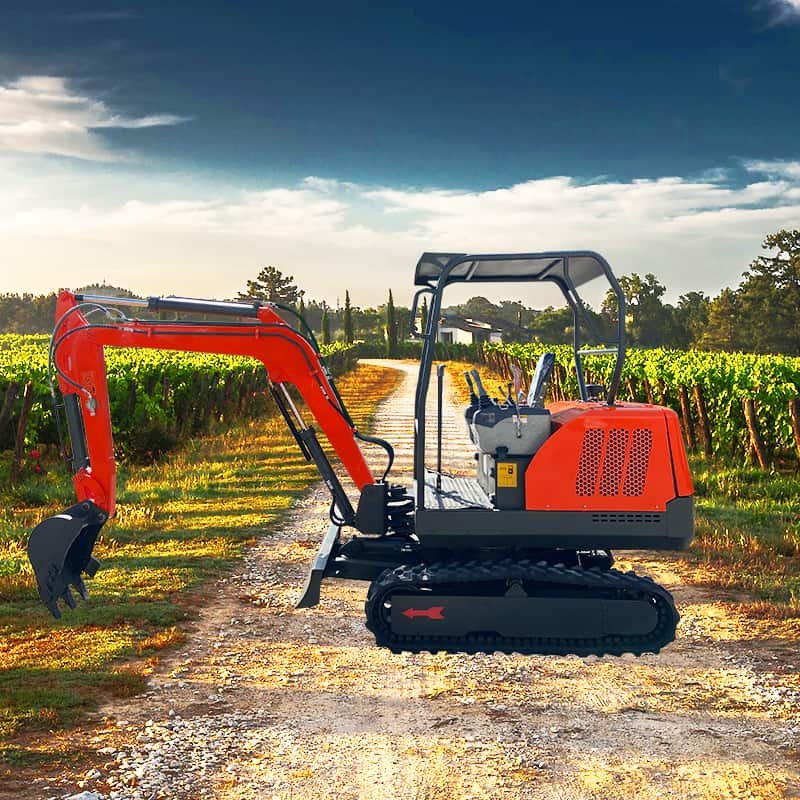
Hydraulic excavators are versatile construction machines widely used in various industries such as construction, mining, forestry and demolition. They are designed to perform a number of tasks, including digging trenches, excavating foundations, lifting heavy objects and demolishing structures. Hydraulic excavators come in different types and sizes, each with their own unique features and applications. Let’s explore some of the more common types of hydraulic excavators and their respective uses:
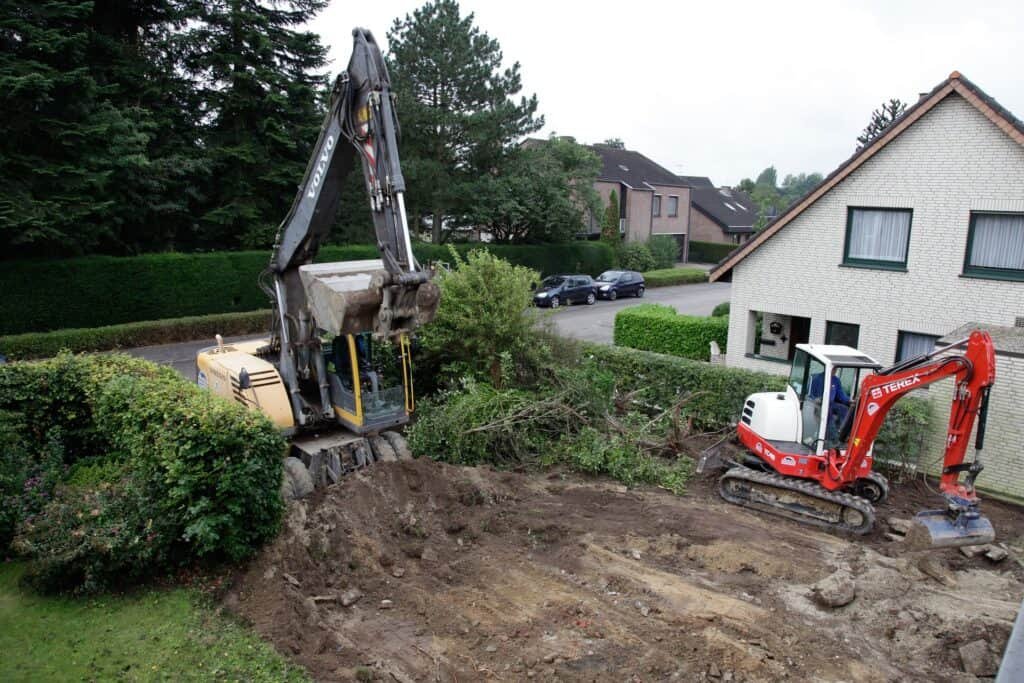
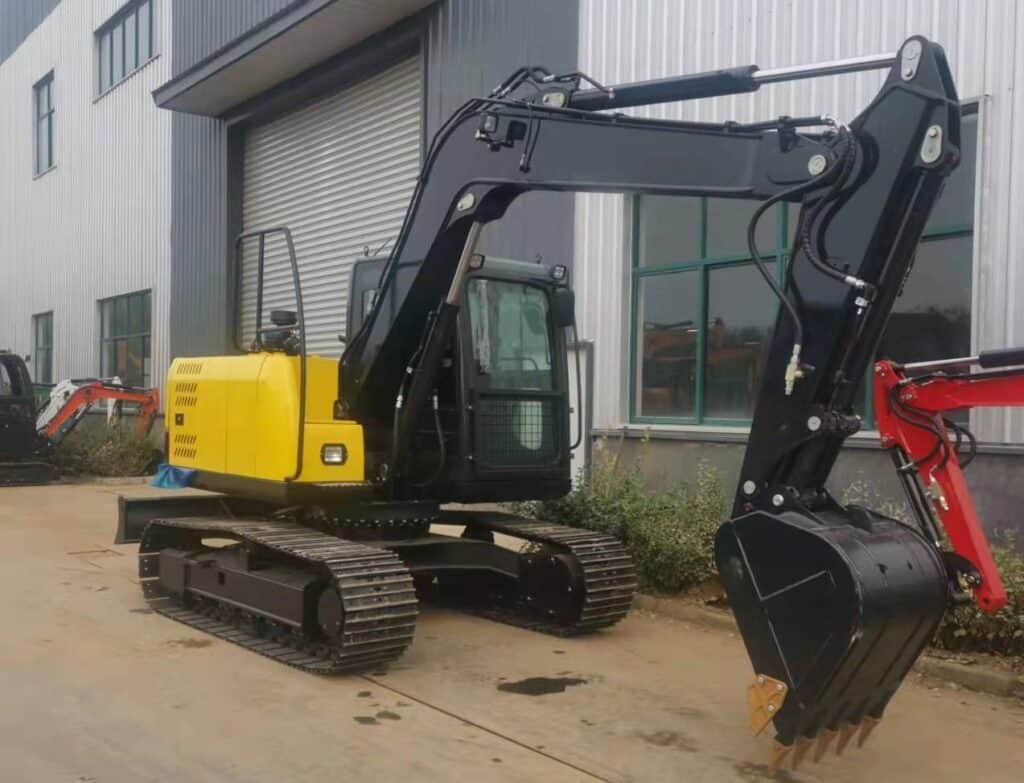
- Crawler excavators: Crawler excavators, also known as crawler excavators, are equipped with track tracks instead of wheels, allowing for smooth movement over rough terrain. These excavators provide excellent stability and are ideal for heavy-duty operations such as deep trenches, mines and large-scale construction projects. They offer a wide range of bucket sizes and attachments, enabling versatile operations such as trenching, foundation digging and heavy-duty construction work.
- Wheel excavators: Wheel excavators are equipped with rubber tires, which offer greater mobility and maneuverability on paved surfaces. They are commonly used in urban construction projects, road maintenance and utility work that requires speed and agility. These excavators provide better mobility and faster travel speeds on roads and paved surfaces compared to their tracked counterparts. Their improved maneuverability makes them particularly suitable for urban works or areas with limited space. Wheel excavators are widely used in road construction and maintenance, utility work and urban development projects.
- Mini excavators: Mini excavators, also known as compact excavators or mini excavators, are designed for tasks in confined spaces or areas with restricted access. These smaller size machines are very versatile and can be easily transported to different job sites. Weighing less than six tons, they find application in a variety of tasks, including landscaping, residential construction, trenching for utility lines, and small-scale excavation projects in tight spaces.
- Long Reach Excavators: Long-reach excavators feature booms and extended booms, allowing them to reach greater distances compared to standard excavators. These excavators are commonly used in dredging, bank maintenance and deep excavation projects that require an extended reach. They are particularly useful when the machine must be located further from the excavation area, such as when working with bodies of water.
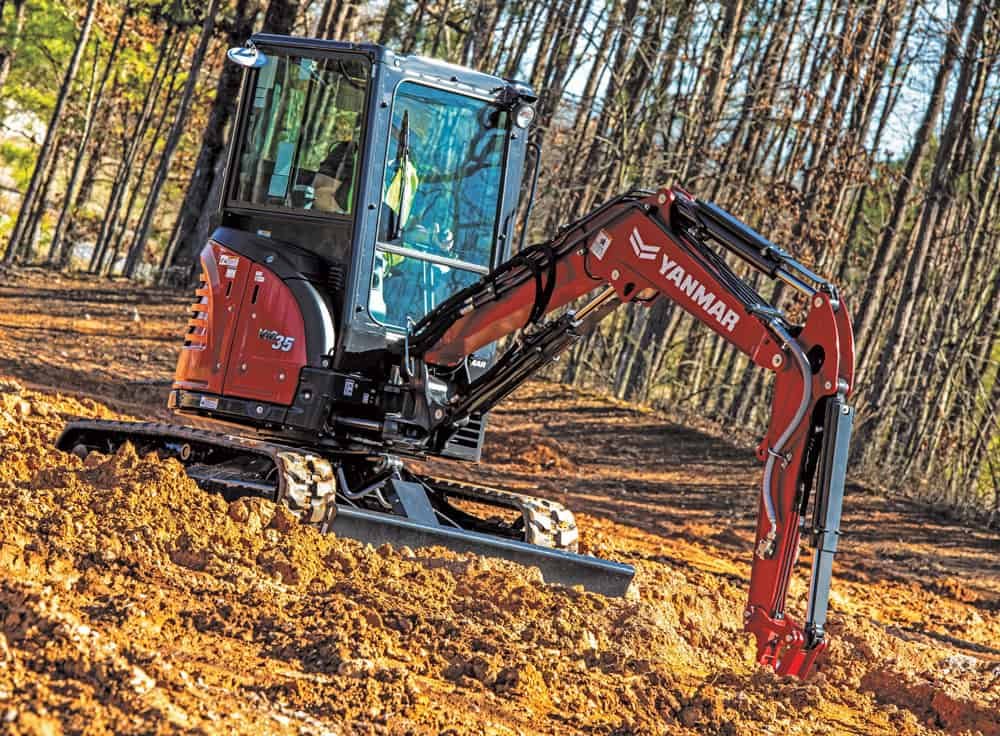
- Dragline Excavators: Dragline excavators are massive machines used primarily in mines and large-scale earthmoving operations. They have a large bucket suspended from a boom and can remove large amounts of material in a single pass. Dragline excavators are particularly effective at removing overburden and extracting minerals. Dragline excavators are massive machines that are primarily used in large-scale mining and earthmoving operations. They consist of a large bucket suspended from a boom and are capable of removing significant amounts of material in a single pass. Dragline excavators are particularly effective at removing overburden (surface layer) in mining operations and extracting minerals such as coal and sand.
- Amphibious excavators: Amphibious excavators are specially designed to operate in wetland environments such as swamps, marshes and shallow bodies of water. They have pontoons or floating tracks that provide flotation and stability, allowing the crossing of soft and unstable terrain. These excavators are commonly used for tasks such as dredging, land reclamation, environmental restoration, and shoreline maintenance projects. They stand out in wetlands operations, offering the possibility of working in water or swampy surfaces with the support of their pontoons or floating tracks.
- Demolition Excavators: Demolition excavators are equipped with specialized attachments, including hydraulic breakers, shears, grapples and shredders, for the efficient dismantling of structures. They are commonly used in demolition projects to demolish buildings, remove concrete and handle debris with precision and control. These excavators excel in the efficient dismantling of structures, using their specialized attachments to tackle various tasks involved in demolition projects.
- Vacuum excavators: Vacuum excavators, also known as hydraulic excavators, use high-pressure water jets and a vacuum system to precisely dig and remove soil and debris. They are commonly used in sensitive excavation projects where avoiding damage to underground utilities is crucial. These excavators effectively break up the soil using high-pressure water jets and then use the vacuum system to remove the excavated material. They are highly effective for precision excavation around utility lines, pipeline maintenance and archaeological excavations, where accuracy and protection of underground utilities are of utmost importance.
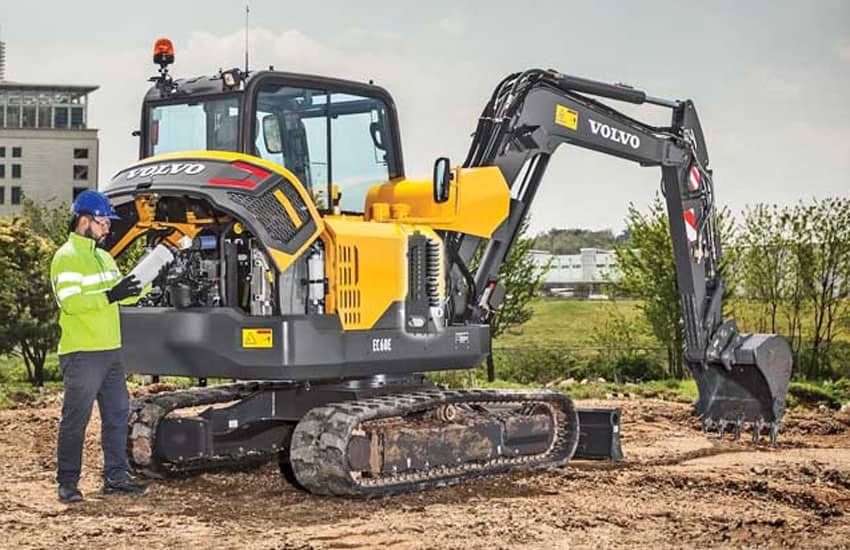
Each type of hydraulic excavator has a specific purpose and has its own advantages in terms of efficiency, versatility and adaptability to different working conditions. Understanding the different types and their applications can help industries choose the most suitable excavator for their specific project requirements.
Advantages of hydraulic excavators
They offer several advantages that contribute to their widespread use in various industries. Here are some of the key benefits:
- Versatility: Hydraulic excavators are very versatile machines that can be fitted with a wide range of attachments including buckets, breakers, grapples, shears and augers. This versatility allows them to perform various tasks such as digging, lifting, loading, demolition and more. The ability to quickly change accessories improves its efficiency and adaptability in different workplaces.
- Powerful performance: Hydraulic excavators are known for their powerful digging capabilities. The hydraulic system provides high levels of force and precision, allowing efficient and controlled digging. They can easily handle different types of soil and materials, including rocks, gravel, clay and concrete.
- Improved efficiency: Hydraulic excavators are designed for optimum efficiency in terms of time and fuel consumption. Its advanced hydraulic systems enable smooth and precise operations, minimizing the effort required to complete tasks. In addition, features such as quick couplings for accessories and advanced control systems contribute to faster and more efficient work.

- Excellent reach and digging depth: Excavators are known for their ability to reach significant heights and depths. With outstretched arms and hands, they can access hard-to-reach areas and perform deep excavations. This makes them suitable for a wide range of applications including building foundations, trenches and mining operations.
- Enhanced Security: Hydraulic excavators are equipped with safety features to protect operators and ensure safe operations. These can include features such as ROPS (Roll Over Protective Structure), FOPS (Falling Object Protective Structure), rear view cameras and alarms. The precise control offered by hydraulic systems also contributes to safe and controlled digging operations.
- Mobility and maneuverability: Excavators are available in different sizes, from compact mini excavators to larger models. This range allows them to operate in diverse environments, including confined spaces and rough terrain. Some models are equipped with tracks or wheels, providing excellent mobility and maneuverability on different surfaces.
- Remote control capabilities: Some modern hydraulic excavators are equipped with remote control systems, which allow operators to control the machine from a safe distance. This feature is especially beneficial in dangerous or hard-to-reach areas, improving safety and accuracy.
- Longevity and Durability: Hydraulic excavators are designed to withstand demanding working conditions and are built with durable materials. Regular maintenance and proper care can significantly extend their lifespan, making them a long-term investment for businesses.
These advantages contribute to the popularity and extensive use of hydraulic excavators in industries such as construction, mining, forestry, utilities and more. If you want to know more, contact us.
