

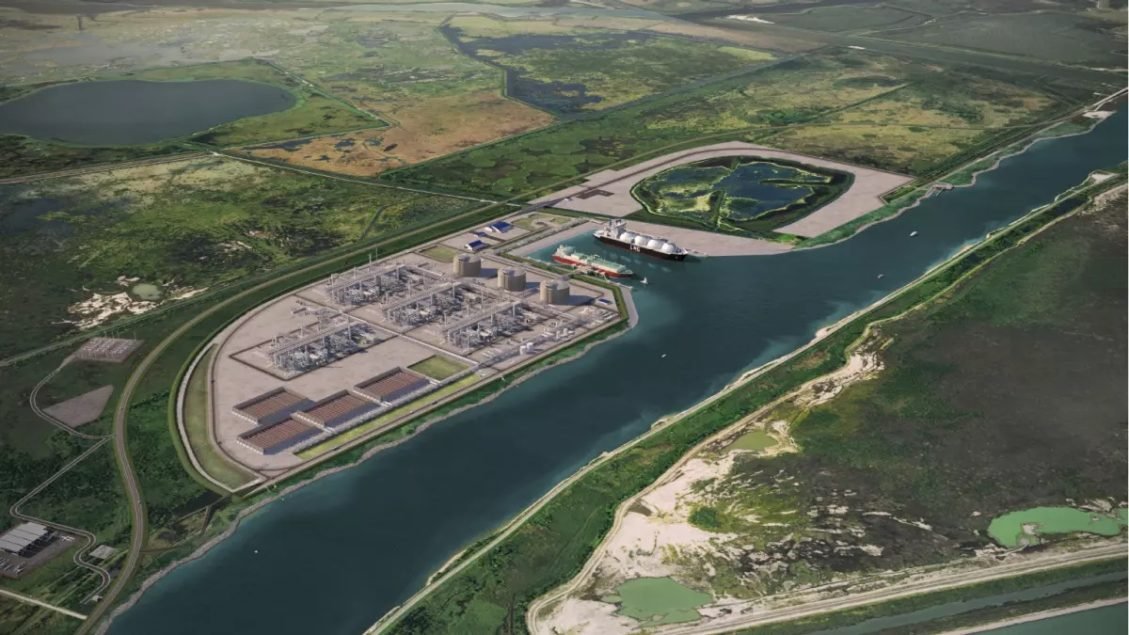
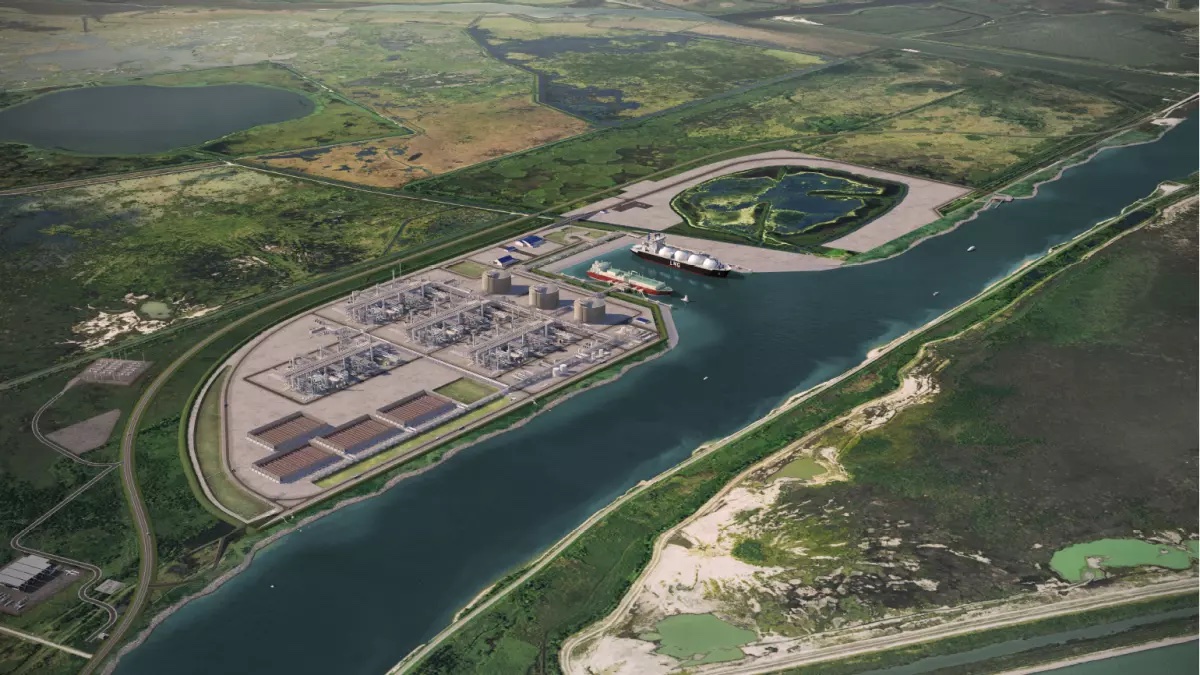
A senior Biden administration official on Feb. 8 rejected Senate criticism of the president’s decision to temporarily halt approvals of LNG export facility applications while he assesses the economic effects and environmental impacts of exports, including potential upward price pressure on US consumers and manufacturers. .
The pause was implemented on January 26 and affects four proposed projects that are awaiting approval from the US Department of Energy to ship liquefied natural gas to overseas markets in Europe and elsewhere.
DOE Deputy Secretary David Turk told the Senate Energy and Natural Resources Committee that the amount of natural gas being exported has increased dramatically since 2018 and that the pause will give the agency time to assess how those increases they affect a variety of issues, including the public interest. .
According to Turk, the US Energy Information Administration projects that high LNG exports would push US gas prices up 13% by 2050.
The US has tripled its export capacity in just five years, becoming the world’s largest LNG exporter at 14 billion cubic feet per day, but proposed export capacity has expanded since the war of Ukraine by 2022 pushed Russia to reduce its LNG supply.
U.S. capacity is expected to nearly double again by 2030 with export capacity “licensed and under active construction,” said Turk, who expects about 26 billion cubic feet/day to be exported by the end of the decade
The DOE’s temporary pause to update its analysis does not interfere with current exports or projects already authorized or under construction, Turk said. It also does not affect the ability to supply US allies, and is not an unprecedented step,” he told the committee. The agency has a long history of reviewing proposed exports using a variety of market, economic, security national and environmental, including emissions of greenhouse gases such as carbon dioxide and methane, Turk said.
“Congress through the Natural Gas Act has given DOE the responsibility to evaluate whether authorizations for the export of LNG to countries without free trade agreements are consistent with the public interest,” Turk said.
Committee Chairman Joe Manchin (DW.Va.) disputed the agency’s decision to halt export approvals before its new market assessment is completed. “The White House has gone out of its way to indicate that the pause is a political ploy aimed at getting votes in an election year — it’s about politics, not economics, and it’s not based on facts,” he said.
That assessment was echoed by Republican nominating committeeman John Barrasso, (Wyo.)
Red States Slam Pause
Attorneys general from 23 previous states have raised objections to the pause, in a Feb. 6 letter to President Biden and Energy Secretary Jennifer Granholm.
“Instead of addressing Americans’ real energy challenges, your administration has decided to double down on a reckless environmental agenda through this Tik-Tok-inspired pause,” the states said, claiming the pause was implemented without an authorization clear from Congress.
States signing the letter include Texas, Louisiana, Oklahoma, West Virginia and others led by Republican administrations.
James Watson, secretary general of Eurogas, an association of 101 European companies advocating climate neutrality, expressed concern that the pause in approvals would reduce the likelihood that the deal between the White House and the European Commission to supply 50 additional million cubic meters/year of US LNG by 2030 will be honored.
Qatar is the only other source that can provide the LNG volumes Europe needs to become independent from Russian LNG, Watson said.
“The pause in licensing affects about 50 billion cubic meters of projects that are waiting for the green light from the Department of Energy to start construction,” he said, noting that if the projects don’t go live in the next two or three years, there will likely be a deficit of LNG in Europe “and possibly globally”.
.
