

This audio is automatically generated. Please let us know if you have any comments.
Tommy Whitehead wanted to do something different in the construction industry when he founded his company in Tampa, Florida, more than six years ago. Today, TomCo Solutions is one of the 50 construction companies in the country certified by the LGBT National Chamber of Commerce. He specializes in property renovations and disaster restoration.
After years working in the real estate management and residential construction industry in Florida, Whitehead said he was inspired to create his own company with a culture that emphasizes diversity, while innovating and providing top-notch service.
“Our mission is to deliver exceptional results while ensuring everyone feels valued and respected,” Whitehead said.
Whitehead didn’t stop there: In 2023, he launched the national Pride Construction Coalition to advocate and empower LGBTQ+ construction professionals, and was honored as one of Exceptional Voices from Tampa Bay Business Journal the same year He also wrote a book with lessons from his life story in “Building Success: A Toolbox for Coming Out on Top” and dishes with industry professionals on his podcast “,Tommy’s Toolbox.”

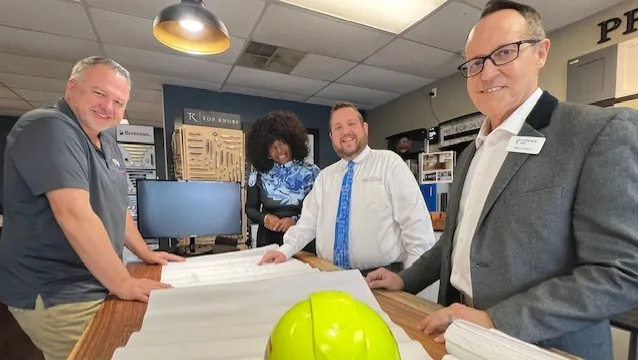
Tommy Whitehead
Permission granted by Tommy Whitehead
Here, Whitehead discusses why created the Pride Construction Coalitionhow the industry can be more welcoming to LGBTQ+ people and what makes Tampa’s construction market unique.
The following has been edited for brevity and clarity.
CONSTRUCTION DIVER: Tell us about the Pride Construction Coalition and why you started it.
TOMMY WHITEHEAD: The Pride Construction Coalition was born out of a deep need to foster diversity, equity and inclusion in the construction industry. Knowing that 40% of our workforce will retire in the next five to six years, we face a lack of qualified professionals. It is critical that we create an environment that attracts and retains all available qualified talent, including LGBTQ+ people.
I founded the coalition a year ago to provide support, resources and a welcoming space for LGBTQ+ professionals, ensuring that everyone has the opportunity to thrive in this industry.
What are some common barriers LGBTQ+ people face in the construction industry?
LGBTQ+ people in construction often face significant barriers, including discrimination and bias in hiring and employment practices. There is also a notable lack of representation and visibility, which can make it difficult to find role models and mentors.
Many LGBTQ+ professionals face hostile or non-inclusive work environments, making it difficult to feel safe and supported. These barriers highlight the urgent need for a more inclusive and welcoming industry.
How can construction professionals make the industry more welcoming?
To create a more inclusive industry, construction professionals can start by implementing inclusive hiring practices that actively promote diversity. Providing comprehensive diversity training and education for all employees is crucial to fostering an inclusive culture.
Establishing support networks and mentoring programs can provide vital resources and guidance for LGBTQ+ professionals. Promoting visibility and representation by highlighting the achievements and contributions of LGBTQ+ people can inspire others and demonstrate the industry’s commitment to inclusion.
What advice would you give to other LGBTQ+ people in construction or considering entering construction?
My advice is to look for communities and support networks where you can find allies and mentors. Embrace your identity and be confident in your abilities and contributions. Advocate for inclusive practices and policies in your workplace, and don’t hesitate to build strong relationships with mentors who can provide valuable guidance.
Remember that your unique perspective and experiences are an asset to the industry.
What is unique about construction in the Tampa market?
The Tampa market presents unique challenges, especially due to extreme weather conditions such as hurricanes. There is a six-month window for hurricanes, and we must always be prepared. It is essential to focus on resilience, ensuring that our structures can withstand strong winds, heavy rains and potential floods.
In addition, we adapt our construction methods to suit the coastal environment, which includes managing high humidity and salt water exposure. These factors require innovative solutions and a good understanding of local conditions to build durable and sustainable structures.
Has the industry changed in the time you’ve been there?
The construction industry has undergone significant changes over the years. There has been a greater focus on sustainability and green building practices, which have become important priorities. We’ve also seen increased awareness and implementation of diversity and inclusion initiatives, making the industry more welcoming for everyone.
Advances in technology and construction methods have led to more efficient and innovative construction practices. In addition, greater emphasis is placed on safety and compliance, ensuring that construction sites are safer for all workers.
