


This audio is automatically generated. Please let us know if you have any comments.
Jerry Aliberti is principal of Thornwood, New York-based Pro-Accel, a construction consultancy focused on accelerating business growth. The opinions are the author’s own.
You started your construction company because you like building things. You did well. Maybe great. You could see a project through from concept to completion and take pride in every detail. Fast forward to today, and you have a $10 million, $15 million, maybe even $25 million company.
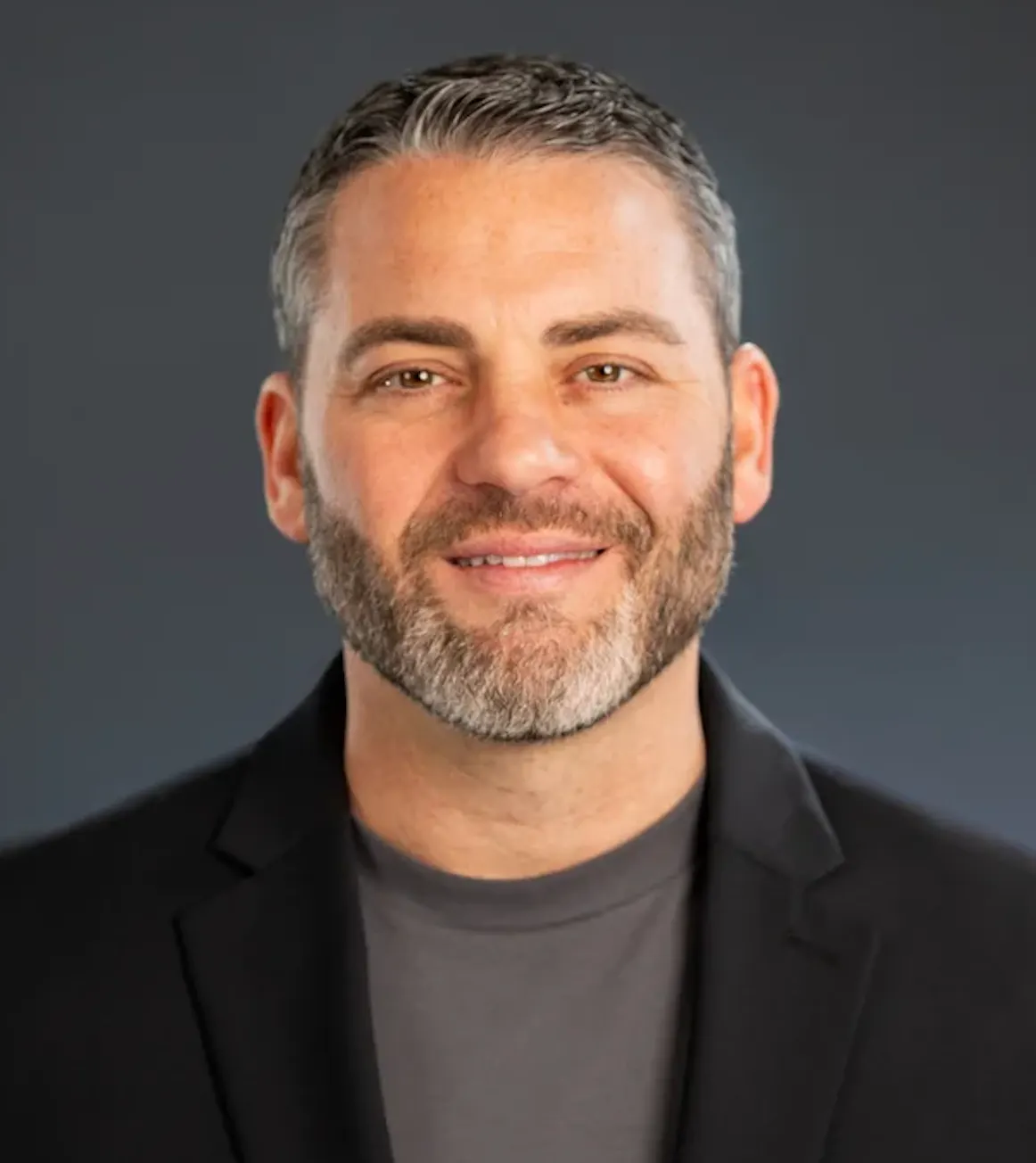
Jerry Aliberti
Permission granted by Jerry Aliberti
But you’re probably still running it like a $5 million business.
For the typical construction business owner, every critical decision goes through you. Your phone keeps ringing. You can’t remember the last time you took an actual vacation without checking in multiple times a day. Meanwhile, you’re turning away profitable work because you don’t have the capacity, you’re seeing your best people burn out, and you’re seeing competitors who started after you scale.
In other words, you are the bottleneck. This is not an income issue. It is a structural problem.
The business model and structure that got you from zero to $5 million or even $10 million will prevent you from reaching $50 million. What worked when you had five employees and could personally oversee each job becomes your biggest responsibility when you need to manage 50 people on multiple projects.
I watched a client struggle with this for years. With $12 million in revenue, I was approving every estimate, visiting every job site, making every hiring decision, and personally managing client escalations. When I asked him if he could take a two-week vacation, he laughed. “The place would collapse,” he said. That’s when I knew we had work to do.
Scale the business
Scaling a construction company requires three different structural phases, each with completely different organizational needs.
In the early stage, between $5 million and $15 million in revenue, you are the operation. It’s a flat structure, maybe 5-15 employees, and you’re probably still spending a significant amount of time in the field. This works until it doesn’t.
The mid-stage, $15 million to $40 million, requires specialized departments with clear leaders. You need between 20 and 50 employees organized into functional teams.
This is where most owners struggle because it requires giving up control and construction. Companies that successfully navigate this transition understand that they can have no more than five to seven people reporting directly to any executive. Beyond that, quality and accountability plummet.
The advanced stage, beyond $40 million, requires stand-alone business units with their own profit and loss responsibility. You are no longer managing projects or even people. You are managing systems and leaders. Your role shifts completely to vision, strategy and culture.
What kills growth is trying to operate in Phase 2 or 3 with a Phase 1 mindset and structure.
Evolve to break
Startups understand that your hiring strategy must evolve as you grow. In the early stages, you need versatile generalists where the culture fits best. In the middle stages, you need specialists with a proven track record. In the advanced stages, you need leaders who have scaled companies before and can operate with minimal supervision.
This is the hardest part to climb. You got into this business to build things. But success means letting go of that aspect to build the business.
Shifting your mindset from builder to CEO means accepting that other people won’t do things exactly like you do. They will make different decisions. Some will be better. Some will be worse. And that has to be okay, because your job is no longer to do the work. It’s about building the systems and developing the people who can do the job consistently.
This creates what we call the paradox of control. Owners fear that if they delegate, quality will drop. But the truth is that they are already the bottleneck. Great people combined with great systems create coherence on a scale that no one person can match.
The real cost of staying small
When one owner can’t make that transition, everyone pays. The owner is exhausted and resentful. The team is frustrated that they cannot make decisions without permission. Growth stops. Profit margins are squeezed because inefficiency costs more as it scales.
That client I mentioned who was stuck with $12 million for five years? Once he finally committed to restructuring, hired the right leadership team, and got out of day-to-day operations, his company grew to $23 million in 18 months. The same market. The same services. Different structure.
The business you are building should work without you. Not because you checked yourself, but because you built something sustainable.
Right now, if you can’t take a two-week vacation without worrying about the business going under, you don’t have a business. You own a job. An expensive and stressful job.
Instead, what you want is a business that can function without your constant involvement. A team that wants to follow and grow with you. Profit margins that compound as systems create efficiencies. A company worth building, not just operating.
Can your company grow to $100 million? probably The real question is whether you are willing to become the leader a $100 million company needs. The company you want to build is waiting on the other side of the leader you must become.
