

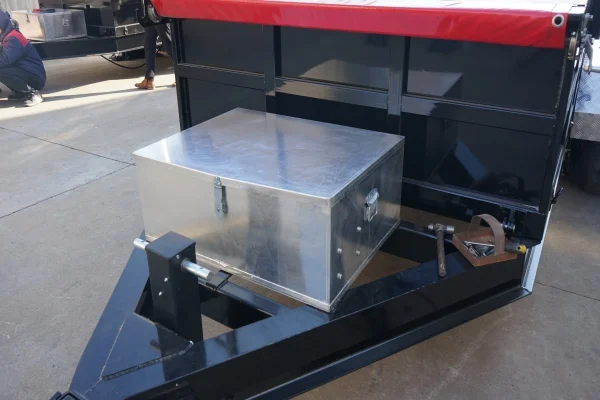
How to choose the right car trailer tool box
A car trailer tool box is not just an accessory bolted to the tongue of the trailer. It is the command center of your transportation operation. Whether you’re transporting vehicles interstate, delivering equipment to construction sites, or managing fleet operations, a weatherproof trailer toolbox directly impacts efficiency, safety, and long-term maintenance costs. If you’ve ever arrived at a job site only to find that your straps are tangled, your ratchets are missing, or your spare parts are rusted from exposure to the rain, you understand the true value of a properly selected closed aluminum trailer tool box. This guide goes into everything you need to know, from choosing the right size and material to installing it correctly and maximizing long-term durability. We will talk practically, as professionals who rely on their equipment every day.

Why a car towing toolbox is essential for professional transportation
Let’s start with the most important point first. A secure and weatherproof trailer tool storage system protects your investment. Tools are expensive. High-quality ratchet straps, chains, binders, hydraulic jacks, torque wrenches and roadside emergency equipment can cost thousands of dollars together. Leaving them exposed inside an open trailer bed dramatically shortens their lifespan. A properly sealed tow tongue tool box with reinforced locking mechanisms protects your gear from rain, UV exposure, road salt and dust. Over time, this translates into lower replacement costs and fewer work interruptions. Think of it this way. Your trailer is moving. vibrate It withstands wind, humidity and temperature changes. Without a mounted tool box designed specifically for towing conditions, your tools are basically riding around unprotected in a storm every time you drive.
Main advantages of installing a heavy-duty trailer tool box
1. Advanced weather protection for long term durability
Moisture is the silent enemy of steel tools. Even slight moisture trapped overnight can cause corrosion. A professional-grade aluminum trailer toolbox with sealed lid joints and watertight welds prevents water intrusion. Many premium models feature overlapping lids and internal drainage channels that redirect rainwater away from the interior. When you combine this with corrosion-resistant aluminum construction, you’ll dramatically extend the life of your tool. Instead of replacing rusted laces every season, maintain consistent reliability year after year. If you operate in coastal regions or snow belt states where salt exposure is common, weathering becomes even more critical.
2. Theft prevention and workplace safety
Trailer theft is not uncommon. Workplaces, rest stops and car parks are vulnerable areas. A lockable steel trailer tool box with reinforced locking systems adds a strong layer of protection. High-quality locking mechanisms prevent opportunistic theft and slow down determined attempts. When tools are stored in a secure mounted box rather than left loose in the trailer bed, visible temptation is reduced. It’s simple logic. Out of sight is often out of mind. For fleet operators, this level of security reduces insurance claims and improves operational consistency.
3. Organized storage for faster workflow
Time is money in transportation and construction. Searching for a specific chain binder in a bunch of loose equipment wastes precious minutes. A properly sized trailer storage box allows you to organize your tools logically. Ratchet straps in one section. Wheel chocks in another. Hydraulic bottle jack secured in vertical position. This structured organization increases work efficiency and reduces frustration. When everything has a designated place, your workflow becomes predictable and professional.
The types of car towing tool boxes are explained
Trailer Tongue Toolbox
The most common option is the trailer tongue mounted tool box. Installed directly on the A-frame of the trailer, this design utilizes space that would otherwise be unused. It keeps the weight balanced near the hitch point, which can help maintain proper trailer tongue weight distribution. Tongue tool boxes are especially popular with car haulers because they keep straps and cargo equipment within easy reach while loading the vehicle.
Chest style trailer tool box
Chest-style tool boxes offer deeper storage capacity. They are ideal for operators carrying bulkier equipment such as portable air compressors, larger jacks or heavy chains. The rectangular design provides maximum internal volume, although it requires careful measurement to avoid interfering with trailer turning radius or jack clearance.
Side and underbody mounting tool boxes
Side mount trailer tool boxes and underbody storage boxes are designed for flatbed trailers or larger. They provide quick side access without climbing onto the trailer deck. Underbody toolboxes are especially useful for commercial fleets that require secure storage while maintaining full deck space for cargo.
How to choose the right size car trailer tool box
Choosing the right size isn’t about buying the biggest model available. It’s all about matching storage capacity to your operational needs and trailer dimensions. Carefully measure the available mounting area. Be aware of mounting clearance, jack movement, and wiring routing. Next, assess your actual tool inventory. Do you only carry straps and small hand tools, or do you carry hydraulic equipment and spare hubs? A well-matched size ensures stability, proper weight distribution and long-term towing safety. Oversized boxes may look impressive, but unnecessary weight affects fuel efficiency and axle balance.
Materials Comparison: Aluminum and Steel Trailer Tool Boxes
Aluminum trailer tool boxes are lightweight, corrosion resistant and ideal for long distance towing where weight savings are important. They naturally resist rust and require minimal maintenance. Steel trailer tool boxes provide superior structural strength and impact resistance, making them suitable for harsh industrial environments. However, steel requires protective coatings to prevent corrosion. The decision depends on your operating conditions. If you are transporting in humid climates, aluminum often provides better longevity. If maximum durability against physical impact is your priority, reinforced steel may be preferred.
Professional installation tips for long-term stability
Proper installation determines how long your toolbox will last. Use high quality mounting brackets designed specifically for trailer frames. Avoid drilling structural weld points. Always ensure even weight distribution and check that the lid opens fully without obstruction. After installation, take a short road test to check for vibration or movement noises. Get used to the hardware after the first few hundred miles, as vibration can loosen the bolts slightly. A stable installation prevents metal fatigue and protects both the toolbox and trailer frame.
Maintenance guide to extend the life of your trailer toolbox
Maintenance is simple but important. Clean the exterior regularly to remove salt and road debris. Inspect the lid seals for cracks or compression damage. Lubricate hinges and locking mechanisms periodically to prevent stiffness. For steel units, check protective coatings annually and touch up scratches to prevent the spread of rust. Small maintenance actions avoid large replacement costs.
Frequently asked questions about car trailer tool boxes
What is the best material for a car trailer tool box?
The best material depends on your environment and use. Aluminum is excellent for corrosion resistance and weight reduction, making it ideal for long-distance vehicle transport. Steel offers improved structural strength for heavy industrial applications. Most professional haulers prefer aluminum because it balances durability and reduced trailer weight.
How do I secure a trailer toolbox against theft?
Choose a model with reinforced closure systems and internal locking mechanisms. Install the box with tamper-resistant hardware. Parking in well-lit areas and using deadbolts add extra protection. The combination of physical security features significantly reduces the risk of theft.
Will adding a toolbox affect the balance of the trailer?
Yes, weight placement affects tongue weight distribution. Mounting the box to the trailer tongue usually supports balanced weight distribution. However, avoid overloading it with excessively heavy equipment that may exceed the recommended weight limits for the tongue.
How often should I maintain the trailer tool box?
Inspect it monthly if you use the trailer frequently. Clean it every few weeks, especially in winter. Lubricate hinges and locks every few months. Regular inspection prevents long-term damage and maintains smooth operation.
What tools should always be stored in a car trailer tool box?
Essential items include ratchet straps, wheel chocks, tie-down chains, binders, spare fuses, a jack, a wrench and emergency reflective triangles. Keeping these items organized ensures you’re ready for road adjustments or unexpected repairs.
conclusion
A car trailer toolbox is one of the smartest upgrades any trailer owner can make. It protects expensive equipment, improves organization, improves security and supports professional efficiency. When carefully selected and installed correctly, it becomes a long-term asset that enhances every transportation job. Rather than viewing it as optional storage, think of it as a structural component of your transportation system. The right heavy-duty trailer toolbox transforms your trailer from a simple hauling platform into a fully equipped mobile workstation, built for reliability and performance.
