

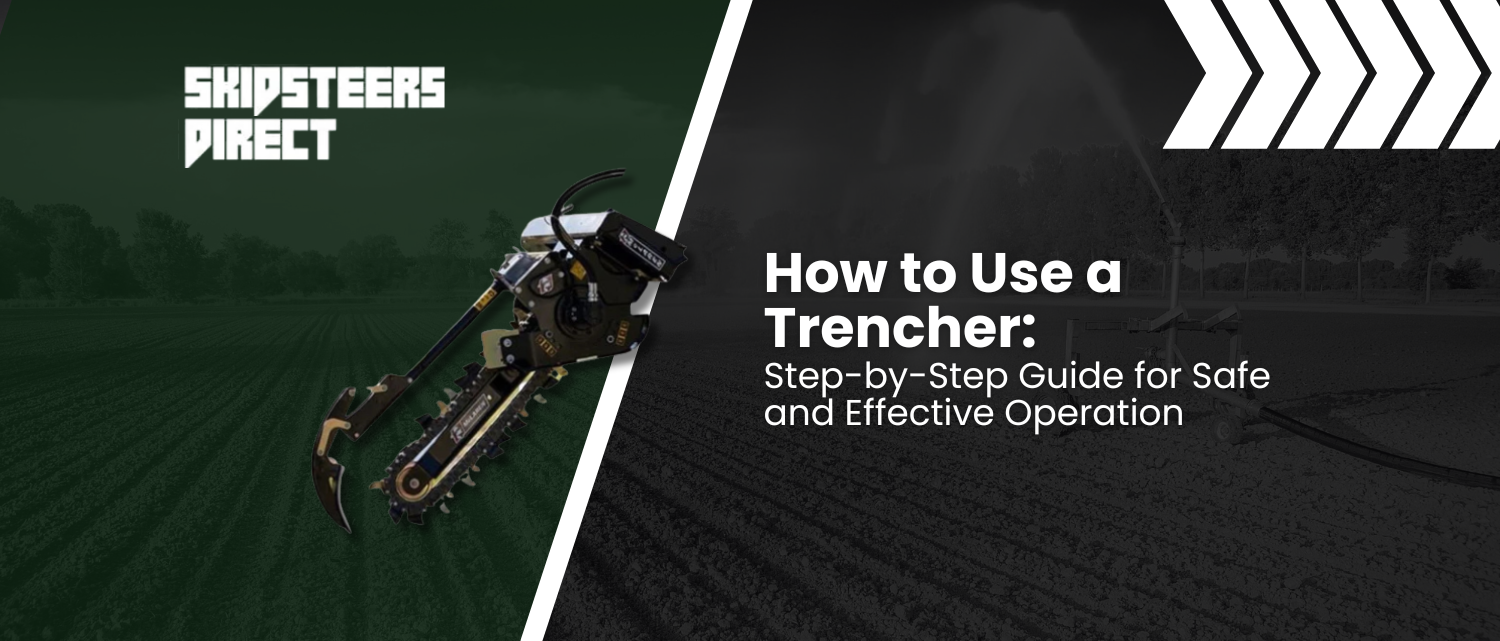
Installing irrigation lines, running electrical conduit, or laying drainage pipes shouldn’t mean hours of backbreaking digging or uneven trenches that need to be redone. The problem is not the job; is not knowing how to properly use a trench. When used correctly, a scraper turns a tough, time-consuming task into a quick, clean, professional cut through the floor.
Whether you’re a contractor managing utility facilities or a property owner tackling a landscaping project, understanding the basics of using a trencher can save you time, reduce wear and tear on equipment, and improve jobsite safety. In this guide, we’ll break down exactly what you need to know about using a trencher so you can trench with confidence and get the job done right the first time.

What is a trench and what is it for?
A trencher is specialized equipment designed to excavate narrow, consistent trenches for utilities, irrigation, drainage, and other underground facilities. From walk-on models to miniature props, trenchers are built to deliver precision and efficiency compared to manual digging.
If you want to learn more in depth about the different types of trenches, common applications and how they work, you can explore our What is a trench article.
For this guide, we will focus specifically on how to use a trench safely and effectively on the job site.
What you need to know before you start making trenches
Before you start learning how to use a trench, preparation is everything. A few minutes of planning can prevent damaged utilities, costly downtime, and unnecessary wear and tear on your equipment.
* Disclaimer: The operation of a trench requires adequate training, safety awareness and compliance with local regulations. Always review the manufacturer’s operator’s manual, follow OSHA and workplace safety guidelines, and ensure all operators are qualified before using a trencher. Improper use may result in serious injury or equipment damage.
1. Call before you dig
This step is non-negotiable.
Always contact your local public service locator (811 in the US) before starting. Hitting gas, electric, or water lines can result in serious injury, major repairs, and project shutdowns.
Clearly mark the path of the trench and confirm that all underground services are identified. Knowing exactly where you can dig safely is the first rule of using a trench responsibly.
2. Inspect the machine
If you want to master how to use a trencher, start by making sure it’s ready for the job.
Check:
- Chain tension (too loose can derail, too tight causes wear)
- Tooth condition (dead teeth reduce performance and strain the engine)
- Hydraulic connections (in miniature trenches)
- Fluid levels (engine oil, hydraulic fluid, fuel)
- Guards and shields for correct placement
A quick inspection can prevent breakdowns and keep your trench consistent from start to finish.
3. Relate the pit to work
Not all trenches are built for the same soil conditions or trench depth.
Before you begin, please note:
- Soil type (rocky, clay, sandy, frozen)
- Depth and width of trench required
- Duration of the project
- Available machine power
Trying to force a smaller unit through hard or rocky soil is one of the most common mistakes contractors make when using a trencher.
4. Plan your trench line
Straight trenches are easier to fill and look more professional. Mark your line with paint or string, especially for long runs.
Start shallow if you are unsure of soil conditions, then gradually increase the depth. Steady, controlled operation always produces better results than rapid cutting.
Step by Step: How to Use a Trench Safely and Effectively
Once you’ve completed your prep work, it’s time to get into the practical part of using a trench. The key is steady operation, controlled depth and letting the machine do the work.
Follow these steps for a safe, clean and efficient dig.
Step 1: Position the machine correctly
Begin by aligning the trench with the marked trench line. Make sure the machine is on stable and level ground before attaching the digging chain.
If you use a miniature attachment, it squares the machine in the ditch path and keeps the wheels or tracks straight. Proper positioning is critical because it ensures a straight, professional-looking trench right from the start.
Step 2: Set the desired trench depth
Lower the boom slowly to the intended depth. If you are unsure of the soil conditions, start with a shallow step and gradually increase the depth.
Avoid dropping the chain aggressively on the floor. Controlled lowering reduces stress on the hydraulic system and improves overall efficiency, an important part of understanding how to use a trencher without causing unnecessary wear and tear.
Step 3: Attach the chain and start moving slowly
With the chain running at full operating speed, begin to move the machine forward slowly and steadily.
Don’t be in a hurry. One of the biggest mistakes when using a trench is to push too fast. The teeth need time to cut and clean the soil properly. If the machine starts to bog, reduce the forward speed instead of forcing it.
To walk behind the trenches, keep a firm grip on the controls and let the machine move forward at the designed pace.
Step 4: Monitor garbage disposal and performance
As you go into the trench, notice how the earth is dumped to the side. The auger must clear debris efficiently without clogging.
Stay tuned for:
- Unusual vibrations
- Chain jump or excessive noise
- Poor soil drainage
- Sudden resistance (possible rock or obstruction)
If anything feels wrong, stop immediately and inspect the machine.
Step 5: Finish the trench and close securely
When you reach the end of your line of trenches:
- Gradually raise the bar off the floor while the chain is still spinning.
- Allow the chain to clear the remaining soil.
- Unhook the chain and switch off the machine.
Never turn off the trencher while the chain is buried, this can make restarting difficult and stress components.
When operated correctly, trenching becomes a fast and predictable process. Understanding how to use a trenching machine step by step not only improves safety, but also provides cleaner trenches, less rework and increased productivity on every job site.

Tips for using a back ditch
Rear trenchers are compact, maneuverable and ideal for residential work or restricted access areas. Here are some handy tips to help you get clean results while staying safe:
Maintain the correct position of the operator
Always stand firmly behind the controls with both hands engaged. Keep your feet steady, especially on uneven or sloping ground. The units that walk behind can shift if the ground is loose or rocky, so balance and awareness are critical in smaller spaces.
Let the machine run
Don’t force it. Once the chain is engaged and cut, the machine must be gradually pulled down the ditch line. Guide it, don’t drive it. Forcing forward movement can cause chain wear, uneven depth, or even stalling.
[Alt text, keyword: what does a trencher look like]
Control the depth little by little
Avoid dropping the boom to full depth immediately. Start shallow, especially if you are unsure of soil conditions. Gradually lower the digging arm as the trench progresses.
Monitor soil conditions
Back trenches work best on softer ground and shorter trench runs. Rocky or heavily compacted terrain can slow progress and increase wear on teeth and chains.
If you’re dealing with harsher conditions or deeper trench requirements, a miniature attachment may be a better long-term solution.
Maintenance tips after ditching
Knowing how to use a trench is only half the equation. Taking care of it after work is what keeps it productive, reliable and ready for the next project. A few minutes of maintenance can prevent costly repairs and extend the life of your equipment.
Here’s what to do once the ditch is finished:
Clean the chain and boom
Soil, clay and debris can harden quickly, especially in wet conditions. After using a trencher, remove accumulated dirt from:
- The digging chain
- the boom
- the auger
- Pinions and guards
Cleaning prevents premature wear and keeps the chain running smoothly on the next job.
Inspect the condition of the teeth and chain
Trench teeth are the most abusive. Check:
- Matt or rounded edges
- Broken or chipped teeth
- Excessive chain stretching
Worn teeth reduce cutting efficiency and force the machine to work harder. Replacing them quickly is an easy way to protect your investment and maintain performance.
Check the chain tension
Improper chain tension is a common problem after a large ditch. If the chain is too loose, it can derail. Too tight and increases stress on bearings and hydraulic components.
Grease and inspect moving parts
Lubricate fittings according to manufacturer’s recommendations. Check the hydraulic lines (for miniature attachments) for leaks or wear and look at all mounting points to make sure everything is still secure.
Routine inspection helps catch small problems before they turn into downtime.
Store properly
When the job is done:
- Park on level ground
- Lower the arm completely
- Relieve hydraulic pressure
- Store in a dry place if possible
Proper storage protects both the mechanical components and the cutting teeth from unnecessary exposure.
Break smarter, work faster
From understanding how the machine works to following step-by-step operating procedures and performing routine maintenance, each step plays an important role in achieving clean, consistent results.
Whether you’re installing irrigation, running utility lines, or tackling drainage work, mastering the basics of using a grader helps you complete projects faster with less physical effort and fewer costly mistakes. And when you combine the right technique with the right equipment for your soil conditions and depth requirements, trenching becomes a predictable and productive part of your workflow.
If you’re looking for reliable contractor-quality trenchers and skid steer attachments designed to handle real job site demands, Skid Steers Direct has you covered. The right accessory can turn your existing machine into a powerful trenching solution.
Have questions about compatibility, depth capability, or choosing the right model? it arrives to our team or explore ours selection of trenches today
