

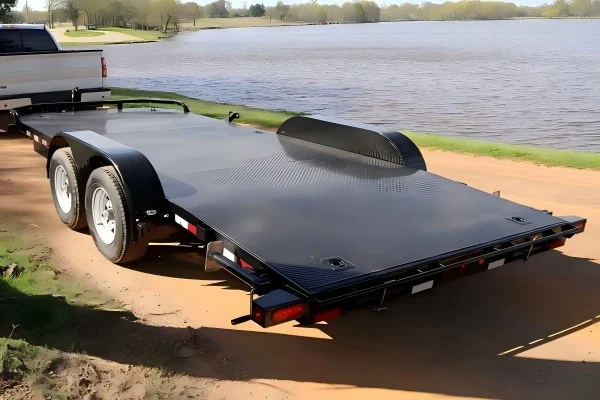
Metal Car Trailer Basics for Everyday Transport
A metal car trailer is one of those purchases that may not seem exciting at first, but once you own one, you quickly realize how essential it is. Whether you’re hauling a daily driver, a classic car, a project vehicle or a race car, a well-built metal trailer gives you control, safety and peace of mind. Instead of relying on third-party transportation services, you decide when and how your vehicle moves. This guide focuses on real-world use, long-term value and practical decision-making, helping you choose a metal car trailer that fits your needs rather than looks good on paper.

What is a metal car trailer and why is it important
A metal car trailer is a vehicle transport trailer constructed primarily of steel or aluminum, designed to safely transport cars over short or long distances. Unlike light utility trailers, a metal car trailer is designed with load ratings, axle strength and structural integrity in mind. This is important because a car is not only heavy, it is also a valuable asset. A solid metal frame distributes weight evenly, reduces flex during towing and keeps the vehicle stable even when road conditions are less than ideal. Simply put, metal trailers are reliable because they behave predictably under stress, and predictability is everything when towing.
Common types of metal car trailers
Open metal car trailers
Open metal car trailers are the most common choice on the road. They feature a metal frame and roof without walls or roof, which reduces weight and reasonable costs. These trailers are ideal for local hauling, dealership use, and frequent loading and unloading. Because the vehicle is exposed, inspections are easier and maintenance is simpler. For buyers who value practicality and flexibility over looks, an open metal car trailer often makes more sense.
Enclosed metal car trailers
An enclosed metal car trailer surrounds the vehicle with metal walls and a roof, providing protection from weather, road debris and theft. This type of trailer is often used for classic cars, show cars or long distance transport where exposure could cause damage. Although enclosed trailers are heavier and more expensive, they add a layer of safety and professionalism that many owners find worthwhile. If your vehicle represents a significant financial or emotional investment, locking becomes less of a luxury and more of a safeguard.
Tilt Bed and Flatbed Metal Car Trailers
Tilt-bed metal car trailers simplify loading by allowing the deck to tilt instead of using ramps. This design is especially useful for vehicles with low ground clearance or situations where speed and safety are important. Flatbed metal car trailers, on the other hand, focus on simplicity and versatility. They offer a simple platform that works well for a wide range of vehicles and equipment. Both styles rely on metal construction to maintain structural strength during repeated load cycles.
Steel vs aluminum: choosing the right metal
Steel car trailers
Steel car trailers are known for their strength and affordability. Steel handles heavy loads well and provides excellent rigidity, which is why it remains popular in commercial and industrial transportation. The trade-off is weight and the risk of corrosion. Steel trailers require rust prevention measures, especially in wet or coastal environments. However, for buyers who prioritize load capacity and upfront cost, steel remains a reliable choice.
Aluminum trailers for cars
Aluminum car trailers are lighter and naturally corrosion resistant. This makes them easier to tow and cheaper to maintain over time. Although aluminum trailers cost more up front, many owners appreciate the fuel savings and reduced maintenance effort. Aluminum is especially attractive to buyers who tow frequently or operate in humid climates where rust is a constant concern.
Key benefits of a metal car trailer
The biggest advantage of a metal car trailer is durability. Metal frames resist deformation, withstand dynamic loads during braking and cornering, and maintain structural integrity for years. Another major benefit is the resale value. Metal trailers, especially aluminum models, are good value because buyers rely on their longevity. Finally, metal trailers offer predictable performance. When properly rated and maintained, they behave consistently, which is critical to safe towing.
Potential Drawbacks You Should Understand
No trailer is perfect. Steel trailers can be heavy, which can limit towing options for smaller vehicles. Corrosion is another concern if maintenance is neglected. Aluminum trailers, while lighter, can be more expensive and may not tolerate extreme point loads as well as steel. Understanding these trade-offs ahead of time helps avoid disappointment later on.
How to choose the right metal trailer for your vehicle
Start with the weight of your vehicle, including fuel and modifications. Then look at the trailer’s gross vehicle weight rating, which should comfortably exceed that number. Axis configuration is also important. Tandem axles improve stability and safety, especially at highway speeds. Brake systems are equally important. For heavier loads, trailer brakes aren’t optional, they’re essential. Choosing the right trailer is all about matching specs to real-world use, not guessing or cutting corners.
Towing requirements and compatibility
A metal car trailer is only as good as the tow vehicle pulling it. Check your tow vehicle’s towing capacity, hitch rating and suspension condition. Load distribution and proper hitch setup reduce rocking and improve control. When everything works together, towing feels stable and predictable rather than stressful and exhausting.
Maintenance tips for long-term reliability
Periodic inspection significantly extends the useful life of the trailer. Keep the metal frame clean and address rust early. Check your tires, bearings and brakes before long trips. Inspect welds and fasteners periodically. A metal car trailer does not require constant attention, but it rewards constant attention with years of reliable service.
Purchase of new or used metal trailers
New trailers offer warranties, known history and customization options. Used trailers can save money, but require a careful inspection. Look for frame damage, uneven tire wear, brake condition and signs of corrosion. A well-maintained used metal car trailer can offer excellent value if chosen carefully.
Frequently asked questions about metal car trailers
A metal car trailer is better than a wooden deck trailer
In most cases, yes. Metal decks last longer, resist moisture damage, and require less maintenance than wood. Wood decks can rot or warp over time, especially when exposed to the elements.
How long does a metal car trailer usually last
With proper maintenance, a metal car trailer can last twenty years or more. Aluminum trailers often last even longer due to corrosion resistance.
Do I need trailer brakes for a metal car trailer?
For heavier vehicles, trailer brakes are highly recommended and often required by law. They improve stopping distance and overall towing safety.
Aluminum is always better than steel for car trailers
Not always. Aluminum is lighter and rust-resistant, while steel offers greater strength at a lower cost. The best option depends on towing frequency, vehicle weight and budget.
A metal car trailer can be customized
yes Length, width, axle configuration, braking systems and anchoring configurations can be customized to suit specific transportation needs.
Bottom line: Is a metal car trailer worth it?
A metal car trailer is a long-term investment in safety, independence and reliability. If chosen correctly, it simplifies vehicle transport and protects valuable assets in real conditions. By focusing on load ratings, material choice, and proper maintenance, you can have a trailer that performs consistently for years. If you value durability and predictable performance, a metal car trailer is worth it.
