

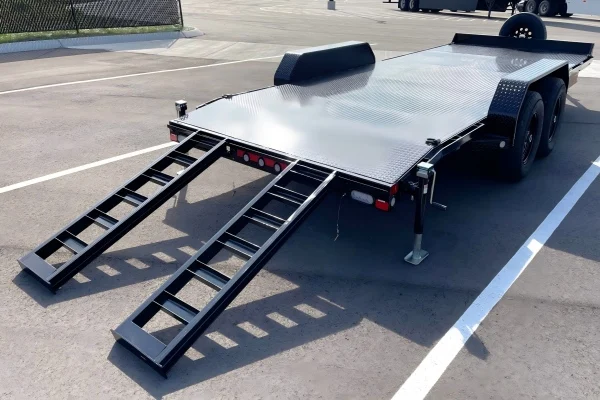
Metal car trailer ramps make loading easier and safer
If you load vehicles onto trailers regularly, you know that the biggest risk is not towing, it’s loading. A poorly designed ramp can damage a car, waste time, or even cause serious accidents. That’s why choosing the right metal car tow ramps isn’t just a small detail, it’s a core decision that affects your entire operation. Whether you’re running a car hauling business, hauling equipment or managing fleet logistics, the ramp is the first point of contact between the ground and your trailer. A good ramp gives you control, stability and confidence every time you load. A bad ramp does the opposite. Therefore, before choosing based on price or appearance, it pays to understand what makes a ramp reliable in real working conditions.

What do metal car tow ramps actually do?
At the most basic level, metal car trailer ramps create a safe path for vehicles to move from ground level to the trailer deck. But in real-world use, its role is much bigger than that. They control load angles, distribute weight and prevent sudden shocks that can damage both the vehicle and the trailer structure. Consider loading a sports car with little headroom or a heavy SUV. Without the proper ramp length and structure, you’re dealing with scrapes, slips, or uneven weight transfer. This is where properly designed ramps make all the difference. They are designed to adapt to trailer height, axle position and vehicle type, ensuring that loading is smooth and predictable rather than stressful and risky.
Why ramps aren’t just accessories
Many buyers treat ramps as optional extras, but in professional use, they are essential components. A trailer without a well-matched ramp system is incomplete. The ramp must work in conjunction with the trailer frame, deck height and loading method. For example, if your trailer is very high off the ground, using short ramps will create a steep angle that increases the chances of bottoming out. On the other hand, longer ramps reduce the angle and protect vehicles with low ground clearance. That’s why savvy buyers always consider the ramp design as part of the entire trailer system rather than a separate piece.
Why metal ramps are the industry standard
When it comes to durability and strength, metal ramps rule the roost for a reason. Steel and aluminum are the two most common materials, and both offer advantages that other materials simply cannot match. In rugged applications, you need something that can handle repeated load cycles, uneven weight distribution, and harsh environments. Metal ramps offer that consistency. They do not crack like wood or warp easily under pressure. Instead, they maintain structural integrity even after years of use. This is especially important for B2B buyers who rely on equipment on a daily basis and cannot afford the downtime caused by a ramp failure.
Steel vs aluminum in real use
Steel ramps are known for their strength and cost effectiveness. If you’re transporting heavier vehicles or equipment, steel is often the safest choice. Handles higher loads and resists bending under pressure. Aluminum ramps, on the other hand, are lighter and easier to handle manually. This matters if your computer charges and discharges frequently. Aluminum also offers better corrosion resistance, which is useful in coastal or humid environments. The choice comes down to your daily use. If strength is your priority, go for steel. If ease of handling and weight reduction are more important, aluminum is worth the investment.
Types of metal car tow ramps
Not all ramps are built equally, and choosing the wrong type can slow down your workflow. Different ramp designs are created for different load habits and trailer configurations. Understanding these differences helps you avoid frustration later on. Some ramps are designed for comfort, while others focus on strength or space efficiency. The key is to match the type of ramp to how you actually use your trailer, not just how it looks in a catalog.
Folding ramps
Folding ramps are one of the most practical options for everyday use. They are attached to the back of the trailer and can be folded away when not in use. This saves time because you don’t have to constantly remove and reposition them. They are especially popular for utility trailers and car haulers where frequent loading is required. The trade-off is added weight and wind resistance, but for most users, comfort outweighs these concerns.
Entrance ramps
The sliding ramps are stored under the trailer cover, keeping the rear area clean and unobstructed. This design is ideal if you want a streamlined trailer profile. However, they require manual handling every time you load, which can slow things down if you’re working alone. They’re a good fit for users who prioritize aesthetics and storage over speed.
Stand-Up Ramps
Foot ramps are attached to the trailer and stowed vertically when not in use. They are simple, durable and reliable. This type is often used for equipment trailers where strength matters more than compact storage. They are easy to deploy and require minimal maintenance, making them a solid choice for rugged operations.
Load capacity and safety basics
The biggest mistake buyers make is underestimating the load capacity. It’s not just about the weight of the vehicle. Dynamic forces during loading must also be considered. When a vehicle goes up a ramp, the pressure is not distributed evenly. The highest stress occurs when the wheels first hit the ramp. This is why the ramps must be higher than the actual load. If your vehicle weighs 2500kg, the ramp should support more than that to ensure a margin of safety. Ignoring this can lead to bending, structural failure, or dangerous loading situations.
Why ramp length is more important than you think
The length of the ramp directly affects the load angle. A short ramp creates a steep angle, which increases the risk of scraping and slipping. This is especially problematic for low-profile vehicles like sports cars. Longer ramps reduce the angle and make the load smoother. If you deal with different types of vehicles, choosing adjustable or longer ramps gives you more flexibility and reduces the chance of damage.
Design features that make a real difference
A ramp is not just a piece of metal. The details of its design determine how safe and effective it is. Non-slip surfaces, reinforced beams and proper welding play an important role. A mesh surface, for example, provides better traction in wet conditions compared to a flat plate. Reinforced cross members improve load distribution and prevent bending. These are not small details. They are what separate a reliable ramp from one that fails under pressure.
Surface treatment and durability
Surface treatment is often overlooked, but has a direct impact on service life. Galvanized ramps resist rust and are suitable for outdoor use. Powder coated ramps offer a clean finish and basic protection. If your ramps are exposed to rain, mud or chemicals, choosing the right surface treatment will save you long-term maintenance costs.
How to choose the right ramp for your business
Choosing the right ramp starts with understanding your actual use case. Ask yourself what types of vehicles you charge, how often you charge them, and what environment you operate in. If you own a commercial transportation company, durability and efficiency should be your top priority. If you use the trailer occasionally, ease of handling may matter more. There is no single solution. The best ramp is the one that fits your workflow, not just your budget.
Maintenance tips that make ramps work longer
Metal ramps are built to last, but they still require basic maintenance. Regular cleaning prevents the build-up of dirt that can cause corrosion. Checking the weld points helps you detect the first signs of stress or cracking. Lubrication of moving parts ensures smooth operation, especially for folding or sliding ramps. These simple steps can extend the life of the ramps and prevent unexpected errors during use.
Common problems and how to avoid them
Some of the more common problems include bending, sliding, and corrosion. Bending is usually due to overloading or poor design. Slippage is often caused by slippery surfaces or wet conditions. Corrosion comes from lack of maintenance or poor surface treatment. The solution is simple. Choose high quality ramps, use them within their limits and maintain them regularly. This reduces risk and improves overall efficiency.
conclusion
Metal car tow ramps are one of those components that you only notice when something goes wrong. When designed and chosen correctly, they make loading smooth, fast and safe. When they are not, they create problems that cost time and money. If you want to improve the performance of your trailer, start by improving the ramps. It’s a small investment that delivers real results in daily use.
Frequently asked questions
What ramp length is best for low cars
For vehicles with low ground clearance, longer ramps are always better. They reduce the loading angle and prevent the front bumper from being scratched. In most cases, choosing ramps longer than 2 meters provides a much safer loading experience for sports cars and modified vehicles.
A single person can handle metal ramps alone
Yes, but it depends on the material and design. Aluminum ramps are easier to handle due to their lighter weight. Collapsible ramps also reduce strain because they stay attached to the trailer. For heavier steel ramps, it is recommended to have assistance or use a winch system.
How do I know if a ramp is strong enough?
Check the rated load capacity and compare it to the weight of your vehicle. Always choose ramps with a higher rating than your actual load. This provides a margin of safety and reduces the risk of structural failure during loading.
Aluminum ramps are durable enough for daily use
Yes, high quality aluminum ramps are durable and widely used in commercial applications. They offer a good balance between strength and weight, making them suitable for frequent loading tasks while being easier to handle.
Do I need anti-slip ramps?
Absolutely. Anti-slip surfaces improve traction and reduce the risk of accidents, especially in wet or muddy conditions. This feature is essential for safe loading and should not be overlooked when choosing ramps.
