

This audio is automatically generated. Please let us know if you have any comments.
A new report focusing on the US construction landscape highlights a mix of trends for the industry, ranging from the good to the ugly.
For example, inflation and interest rates have been a thorn in the side of contractors and project owners over the past couple of years. However, the latest consumer price index indicated cooling inflationraising optimism among forecasters for at least one interest rate cut before the end of the year.
But until the Fed cuts rates, certain segments of construction will struggle, particularly those not driven by infrastructure or manufacturing spending, according to Marcum’s latest quarterly commercial construction index released last month.
This is bad news for some sectors of commercial construction, such as warehouses and retail. Demand for warehouse space has stabilized following the pandemic-fueled e-commerce boom, while new retail construction continues to face subdued demand, according to Marcum, a national accounting and advisory firm based in New York City.
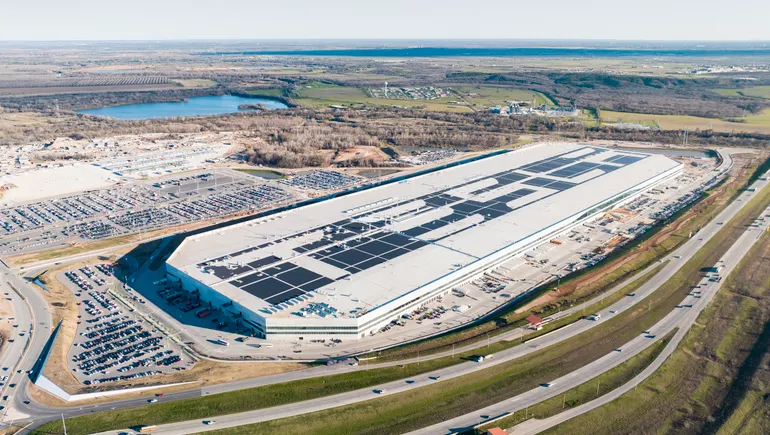
On the other hand, the expense manufacturing related projectsboosted by federal incentives and onshoring efforts, has increased about 192 percent over the past three years, while infrastructure construction has also seen significant growth, said Anirban Basu, chief construction economist at both Marcum as Associate Builders and Contractors.
Essential strategies
Despite the mix of challenges and opportunities, the overall construction industry has weathered roughly two years of high inflation and high interest rates much better than expected, Basu said. Construction input prices fell in May for the first time in 2024, and they were up just 2.1% year-on-year in May, he added.
Companies with innovative financing and cost management strategies are better positioned to manage industry headwinds such as high interest rates, rising input prices and labor shortages, said Joe Natarelli, leader of Marcum’s construction services.
“Construction companies can explore innovative financing strategies, such as public-private partnerships, to leverage government funds and reduce financial risks,” Natarelli said. “In addition, seeking financing from alternative lenders such as private equity firms and creating project-specific investment funds can provide more flexible and tailored financial solutions.”
Construction companies should also adopt advanced budgeting software for real-time expense tracking and predictive cost management, Natarelli said. He added that long-term supplier contracts and lean construction practices help minimize waste and also improve operational efficiency.
Construction companies in struggling sectors could also consider moving into new markets, Natarelli added.
“Companies should diversify into more stable markets such as residential, infrastructure or institutional sectors where demand remains stable. Specializing in niche markets such as healthcare facilities or educational institutions can also provide resilient opportunities,” Natarelli said. “They also focus on renovation and retrofit projects, pursuing government contracts and taking advantage of growing demand for buildings sustainable and energy efficient”.
