

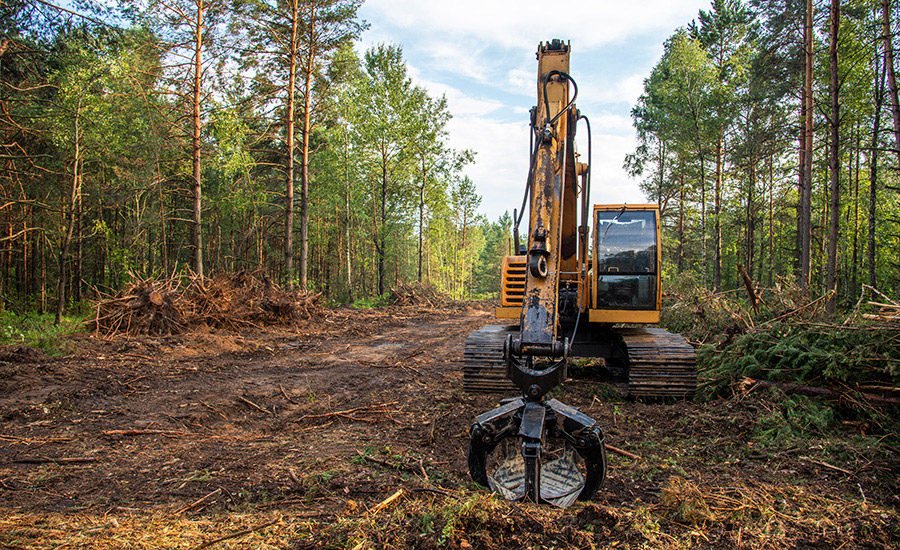

In the dynamic world of construction, some projects take us away from the well-trodden paths of urban landscapes into the heart of remote and challenging environments. These locations, while often scenic, present a unique set of security challenges that demand a specialized approach. In this blog post, we’ll delve into the complexities of addressing safety issues on remote construction sites and explore the tools and strategies that can make a significant difference in ensuring safety and security.
Challenges in remote construction environments
Limited accessibility and transportation issues
One of the biggest challenges in remote construction sites is limited accessibility and transportation issues. The absence of well-maintained roads and the great distance from urban centers can pose significant obstacles for construction crews. This not only affects the efficiency of operations but also complicates security measures, so it is essential to adopt solutions adapted to these conditions.
Lack of infrastructure and public services
Remote built environments often lack the infrastructure and essential public services that are taken for granted in more developed areas. This includes reliable power sources and communication networks. Addressing security issues in these environments requires innovative solutions that can work independently of traditional infrastructure. Generators, which are often used in remote workplaces, are expensive, and the less you have to rely on for security, the better. Solar power is a great alternative for things that traditionally require AC power, like security cameras.
Environmental factors
The beauty of remote locations is often coupled with unpredictable environmental factors. Harsh weather conditions and wildlife encounters can present unique safety challenges. Any effective security strategy must take these variables into account, incorporating measures to withstand the elements and ensure the safety of both personnel and assets.
Distance from law enforcement and emergency services
Perhaps one of the most critical challenges on remote construction sites is the considerable distance from law enforcement and emergency services. Because these services are generally distributed over large geographic areas, response times are measured not in minutes but in hours. With fewer resources and more ground to cover, law enforcement is stretched thin, emphasizing the need for proactive security measures to prevent incidents before they escalate.
Security risk assessment in remote environments
To address security challenges in remote construction environments, it is essential to identify potential threats specific to these locations. This includes assessing risks associated with limited access, lack of infrastructure and environmental factors. A thorough understanding of the unique challenges is the first step in creating an effective security plan.
A comprehensive risk assessment tailored to the specific conditions of a remote site is crucial. This involves assessing vulnerabilities, potential threats and critical assets that require protection. A well-executed risk assessment serves as the basis for implementing specific security measures.
In the field of remote construction security, technology plays a critical role. Wireless camera systems, for example, provide a compact and efficient solution for monitoring expansive construction sites. These systems can provide real-time surveillance, enabling rapid response to potential threats, even in the absence of on-site security personnel.
Tailored security solutions
Specialized access control measures are essential to mitigate security risks on remote construction sites. This includes implementing secure entry points, monitoring access logs and using technologies such as biometric authentication to ensure that only authorized personnel have access to sensitive areas.
Compact wireless camera systems are a must-have in your arsenal of security tools for remote construction sites. Sensera Systems offers a versatile solution, offering high-resolution video images, motion triggers and real-time monitoring capabilities. Solar power systems with LTE operate independently of traditional infrastructure, making them ideal for remote environments.
Community involvement and collaboration
In remote construction environments, local authorities can be valuable allies in improving safety measures. Collaboration with law enforcement and emergency services in the area ensures a coordinated response to potential incidents. Establishing clear communication channels and sharing information about the project can foster a sense of community participation in security efforts.
Creating partnerships with nearby businesses or residents adds an extra layer of security. Local communities often take pride in ensuring the safety of their environment, and a collaborative approach can lead to greater vigilance and shared responsibility for safety.
Training and preparation for remote environments
Effective security in remote construction environments involves not only technology and infrastructure, but also personnel preparation. Providing construction crews with specialized training to deal with the unique challenges of remote locations improves their ability to identify and respond to potential security threats.
Emergency response plans must be tailored to the specific conditions of remote construction sites. This includes addressing potential delays in getting to the site, establishing alternative methods of communication and incorporating measures to deal with environmental emergencies. A well-prepared response plan ensures a coordinated and efficient reaction to unforeseen events.
Regular exercises and drills are crucial to maintaining a high level of preparedness on remote construction sites. Simulating various security scenarios helps identify potential weaknesses in the security plan and allows staff to practice their response, ensuring a quick and effective reaction to a real threat.
Technological advances for the safety of remote construction
Recent advances in technology offer innovative solutions to address remote construction safety issues. Advanced workplace security cameras are one example. High definition cameras equipped with night vision and thermal sensing capabilities are a crucial component of a strong security system.
Additionally, the integration of intelligent analytics has revolutionized real-time threat detection. Object recognition and tracking, along with professional monitoring like Sensera Systems’ SiteCloud™ security monitoring solution, gives project managers unparalleled control over their construction sites. NDAA compliant Sensera camera systems also meet many builders risk insurance requirements for site safety, saving you money on premiums.
The security challenges posed by remote construction environments demand a multifaceted approach. From understanding unique challenges to implementing tailored safety solutions and leveraging technological advances, construction companies can successfully meet these challenges. By encouraging community participation, collaboration and prioritizing training and preparedness, remote construction sites can become not only safe workplaces, but also thriving hubs of progress in the heart of nature’s wonders.
Contact us today to learn more about Sensera Systems workplace security solutions.
