

After years of transboundary disputes over water pollution from mining activity in British Columbia, the US, Canada and the Ktunaxa Nation have agreed to additional measures to reduce pollution in the Elk River watershed and Kootenai in southeastern BC, northern Idaho and Montana.
Actions in the pact will be managed by the International Joint Commission, the Biden Administration announced in mid-March.
“We are taking long-awaited collaborative actions to address pollution and restore clean water to the region,” said Brenda Mallory, chairwoman of the White House Council on Environmental Quality.
In a statement, the commission said a new “collaborative governing body” will manage a pollution mitigation “action plan” that will include “transparent and coordinated cross-border knowledge sharing on pollutants of concern; areas and resources hydric and ecological systems affected; and trends”.
One company sensitive to the issue is BC-based Teck Resources Ltd. Three years ago, its subsidiary Teck Coal Ltd. was fined $44 million, the largest penalty ever imposed under the Canada Fisheries Act, for illegally depositing pollutants in the Elk River. A nearly $12 million fine was levied last year for delaying construction of a needed water treatment plant.
Teck’s own research showed a significant decline in certain trout populations due to coal mining operations.
Elk Valley has one of the highest quality metallurgical coal deposits in the world used in the manufacture of steel for construction and transportation infrastructure. The company says on its website that it is a major exporter of steelmaking coal
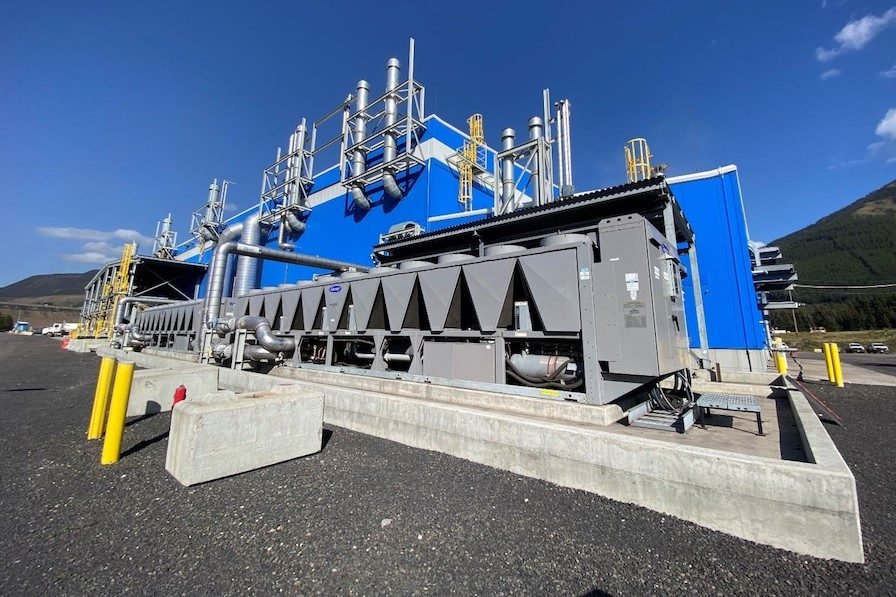
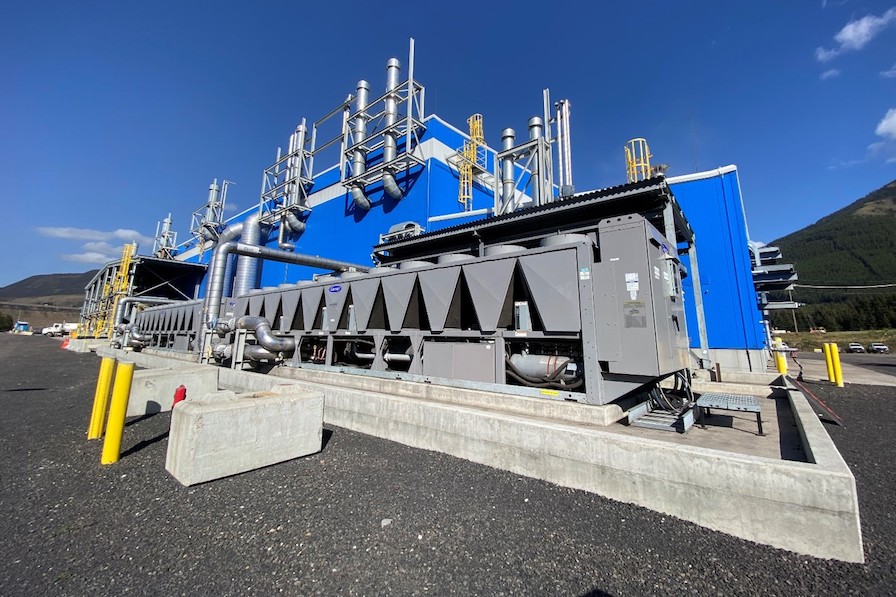
Teck noted in a March 14 sustainability report the construction of four water treatment facilities in the Elk Valley, with capacity “to treat 77.5 million liters of water per day in our steel coal operations,” as part of its Elk Valley Water Quality Plan, developed in 2014.
From 2019, Teck must update the plan every three years. A 2022 update, now under review by BC government regulators, proposes adding new and expanded treatment facilities every one to two years until 2042. In 2022, Teck said it invested in improving mining practices and source control to reduce selenium, nitrate and sulfate. generated
Source control efforts can reduce the amount of treatment capacity needed in the future. Nitrate is released from explosives used during rock blasting. Teck notes that the expansion of its effort began in 2016 to line up blast holes to prevent nitrate leaks. The company is also expanding the use of natural bacteria to consume selenium and sulfate released from waste rock, recently building a waste rock pile at its mining site that confines air within the waste rock pile.
In addition to more than $1 billion for water quality management and the completion of the four treatment facilities, Teck said it will invest up to $408 million by the end of 2024 in the cleanup of selenium, “with six new water treatment facilities to be built by 2027”.
This will involve the construction of earthen dikes, canals, pipes and other physical barriers to divert clean water away from waste rock. “The plan is working, selenium concentrations have stabilized and are now reduced downstream of the treatment,” added Teck.
That was disputed by Casey Brennan, executive director of Wildsight, an environmental group in British Columbia, who says Teck’s monitoring statistics show no significant reduction in selenium concentrations during active treatment at its facility. from West Line Creek from 2022 to 2023.
Montana has been particularly affected by selenium discharge from BC-based mining. In 2019, the US Environmental Protection Agency reported elevated levels of selenium in fish and water in Lake Koocanusa which straddles the US-Canada border. fish species
Teck also noted in its 2024 sustainability report that, as part of an advanced plan to reduce emissions to zero by 2050, it had last year built and commissioned a pilot project to use and store carbon at its Trail, BC site of operations.
