

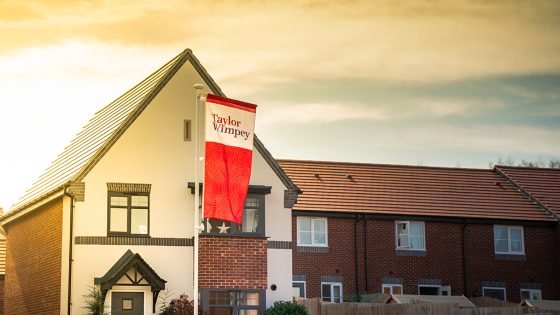
Taylor Wimpey expects to make an operating profit of around £470m this year, despite the slowdown in the property market.
A trading update from the company said its profits would be at the higher end of its previous range, which it attributed to tight cost control, including through “highly selective” land purchases.
The figure is just over half the operating profit of £923.4m it hit in 2022, amid a slump in the property market largely driven by the highest interest rates in 15 years.
Taylor Wimpey has not made a comparatively low level of operating profit since 2020, when profits fell to £300m after sites closed for part of the year as the Covid-19 pandemic took over
In its latest update, the company said it expects to end 2023 with net cash of between £500m and £650m, after paying back £338m in dividends.
Chief executive Jennie Daly said: “This performance is testament to the hard work of our experienced teams, who have continued to adapt and support customers throughout their buying journey while focusing on delivering efficiencies throughout the business.
“Looking ahead, while the market context remains uncertain, we are confident in the sector’s fundamentals over the medium to long term, with a significant supply-demand imbalance in UK housing.”
Andy Murphy, director of investment consultancy Edison Group, noted that Taylor Wimpey’s cautious approach reduced its output from 14,154 homes in 2022 to around 10,000 this year.
He added: “Fortuitously, the company already had a large land bank of around 140,000 plots earlier this year, reducing the need to acquire assets at inflated prices.
“With mortgage rates and inflation stagnant, the continued lack of housing supply in London and the South East and a slight rise in house prices in October, the residential property sector may end in 2023 with cautious optimism. Based on these results, Taylor Wimpey appears to have successfully weathered the storm.”
Profits at other homebuilders have also fallen this year amid the market slump, including a to ring, Crest Nicholson and Vistry, where 200 workers have been laid off as a result
