

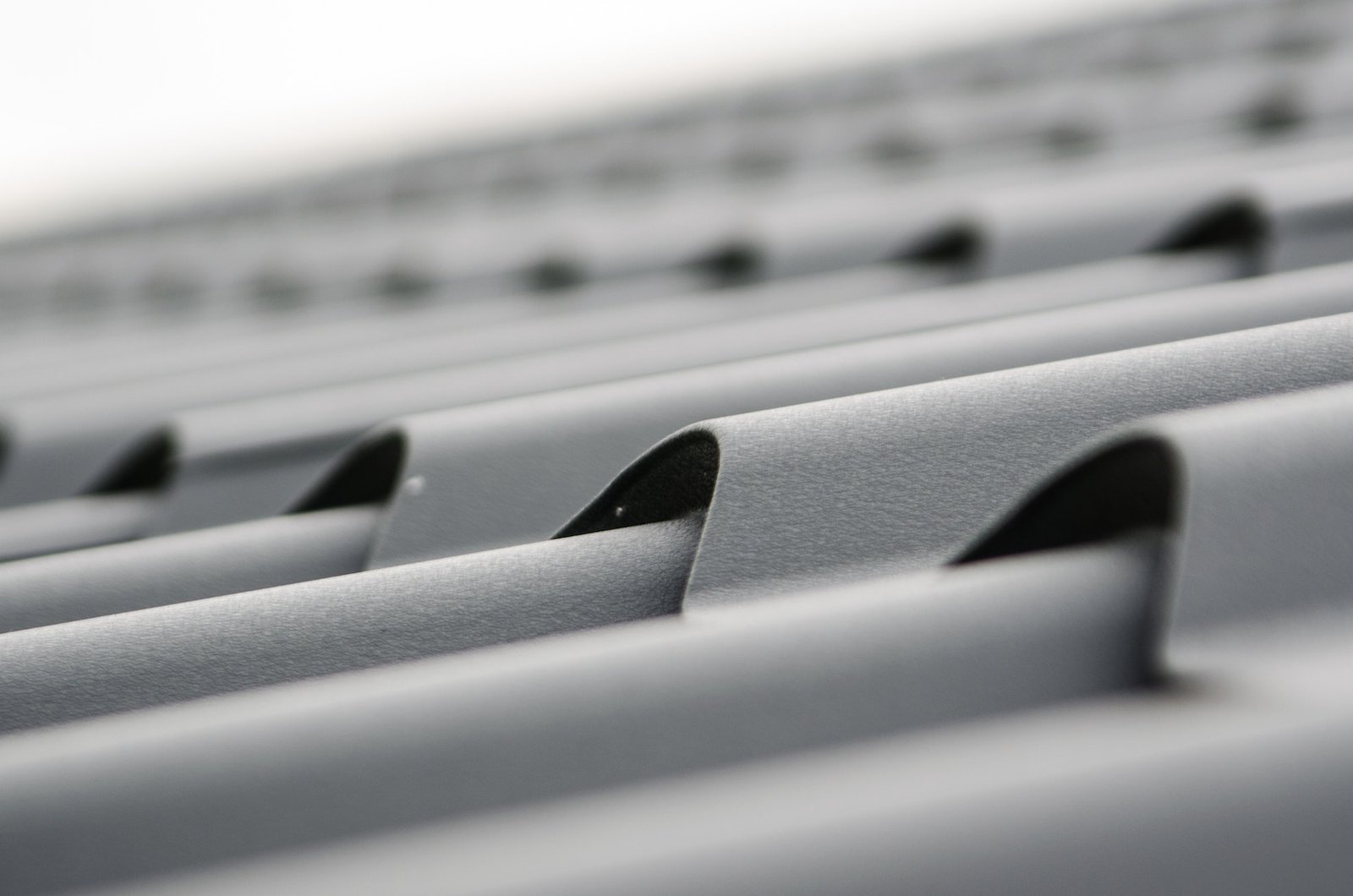
When it comes to choosing the right roofing material for your home, there are many options to consider. Two of the most popular options are metal and clay shingles. Both materials offer unique advantages and disadvantages, so it’s difficult to choose which one best suits your needs, preferences, and budget. In this article, we’ll explore the pros and cons of metal and clay shingles to help you determine which is the best value for your roofing needs.
durability
When it comes to durability, metal shingles rank the best. They are highly resistant to damage from weather conditions such as hail and heavy rain, and do not crack or break easily. Metal shingles are also fire resistant and do not attract pests such as termites or rodents. They are often an excellent choice for commercial buildings, sheds and areas with extreme weather conditions.
On the other hand, clay shingles are not as durable as metal shingles, as they are more prone to chipping and cracking, especially in areas with extreme temperatures and frequent freeze-thaw cycles. They are also heavier than some metal tiles, which can affect the existing structure of the building. However, clay roof tiles have been used for centuries and remain a popular choice due to their durability and insulating properties.
Verdict: If durability is your top priority, metal shingles are the best choice. However, if you’re willing to sacrifice some durability for a timeless look and better insulation, clay shingles may be the way to go.
Lifespan
Both metal and clay shingles have a long lifespan compared to other roofing materials. Metal shingles can last up to 50 years or more with proper maintenance, while clay shingles can last up to 100 years. The useful life of metal roof tiles can be extended by coating them with a protective layer, which can also improve their energy efficiency. This is usually done during the manufacturing process. Clay roof tiles are resistant to the harmful effects of UV rays, resulting in less discoloration and degradation over time. However, they may require more maintenance than metal shingles, which can increase their overall cost.
Verdict: Both metal shingles and clay shingles have a good lifespan, but the latter have the edge in terms of longevity.
Environmental impact
When considering the environmental impact of roofing materials, both clay and metal tiles have their pros and cons. Metal roof tiles are often recyclable, which reduces landfill waste and can save energy by cooling buildings during the summer months. But raw material processing, manufacturing and transportation can have a significant environmental impact.
On the other hand, clay tiles are an eco-friendly choice as they are made from natural sources such as clay and water. They are also very energy efficient and can regulate the temperature of buildings, reducing energy needs for heating and cooling. However, clay tile production can contribute to carbon emissions as it requires a significant amount of heat and energy during the manufacturing process.
Verdict: When it comes to environmental impact, both metal and clay shingles have advantages and disadvantages. However, clay roof tiles are the greenest choice due to their use of natural materials and energy efficient properties.
Maintenance and repair
Metal shingles require less maintenance than clay shingles because they are less likely to crack or chip and can withstand extreme weather conditions and temperature drops. However, they can be prone to rust and corrosion, especially in areas with high humidity or salinity. To avoid this, regular maintenance is necessary, such as cleaning and coating metal tiles.
Clay shingles, on the other hand, may require additional sealing and painting to protect them from weathering and discoloration. They are also more prone to cracking and breaking, especially in areas with extreme temperature variations. However, repairing clay shingles is easier than fixing metal shingles because they can be replaced individually.
Verdict: Metal shingles require less maintenance than clay shingles, but can rust and corrode, while clay shingles are more prone to chipping and cracking, but are easier to repair.
Cost comparison
In terms of cost, metal shingles are usually less expensive than clay shingles. However, installation costs can vary based on many factors, including the complexity and location of the roof, as well as the type of material used. Although metal tiles are cheaper up front, they can require more maintenance over time, which can increase your overall cost. In contrast, clay tiles have a higher initial cost but require less maintenance, making them more cost-effective over time.
Who reigns supreme?
When it comes to choosing between metal and clay, there is no single answer. Both shingles have their advantages and disadvantages, and the decision depends on your budget, the location of your building and your personal preferences. That’s why it’s important to weigh the pros and cons carefully before making a decision to ensure you choose the roofing material that best suits your needs.
If durability and low maintenance are your top priorities, metal shingles are the best choice, while if you’re looking for a timeless look that also offers better thermal insulation, clay shingles may be the way to go. Clay tiles are also the most environmentally friendly option if environmental impact is a concern.
