

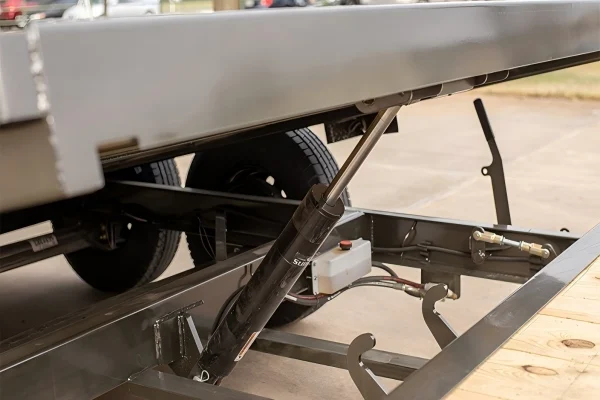
Tilt trailer cylinder explained for real-world load efficiency
Whether it’s vehicle hauling or equipment hauling, the tipper trailer cylinder isn’t just another component, it’s the part that directly determines how easy or frustrating your daily work becomes. A well-matched hydraulic tilt trailer cylinder allows you to load short clearance cars, heavy equipment or uneven cargo smoothly without struggling with ramps or unsafe angles. In real work environments, especially for car hauling companies or dealerships that move vehicles every day, the difference between a properly sized hydraulic cylinder and an underpowered system is obvious from the first use. You’ll notice a smoother lift, better control and much less risk of damage during loading. That’s why understanding how a tilt trailer cylinder works, how to choose it and how to maintain it isn’t just technical knowledge, it’s a practical decision that affects long-term efficiency, safety and cost.

What does a tilt trailer cylinder actually do?
A tilting trailer cylinder is the main driving force of a hydraulic tilting system. Instead of relying on manual ramps or gravity-based tilt, the cylinder uses hydraulic pressure to push the trailer deck into a controlled tilt position. This means you can load vehicles without worrying about ramp angles or clearance issues. In practical use, this becomes especially important when handling sports cars, lowered vehicles or heavy machinery. Without a cylinder, you are lifting manually or depending on the weight of the load to tilt the deck, both of which introduce risk and inconsistency. With a hydraulic cylinder, the whole process becomes predictable and repeatable, which is exactly what professional users need.
How the hydraulic cylinder works in real use
The principle of operation is simple, but the impact is significant. When you activate the hydraulic system, either by an electric pump or a hand pump, hydraulic oil is pushed into the cylinder. This pressure forces the piston to extend, which lifts the trailer deck into an inclined position. The key advantage here is control. You are not guessing the angle or relying on gravity, you are actively controlling the movement. When loading is complete, reversing the hydraulic flow retracts the cylinder and lowers the deck smoothly. In daily operations, this controlled movement reduces sudden movements, protects the load and improves overall safety, especially when working alone.
Single cylinder and double cylinder systems
Choosing between a single cylinder and dual cylinder setup isn’t just about cost, it’s about how you plan to use the trailer. A single cylinder system can work well for lighter loads or occasional use. It keeps the structure simple and reduces the initial investment. However, when you start dealing with heavier vehicles, uneven loads, or frequent operations, a dual cylinder system becomes the better choice. Two cylinders distribute the lifting force more evenly across the deck, reducing stress on the frame and improving stability during tilting. In real applications, this means less shake, better balance and a longer life for the trailer structure.
Hydraulic cylinder vs gravity tilt system
At first glance, a gravity tilt system may seem like a simpler and cheaper alternative. It relies on the weight of the load to tilt the deck, which means fewer components and less maintenance. But in real working conditions, this simplicity often becomes a limitation. You can’t precisely control the tilt and loading lighter vehicles can be difficult because there isn’t enough weight to activate the tilt. On the other hand, a hydraulic cylinder system gives you full control regardless of the weight of the load. You decide when and how the deck moves, which is especially important when dealing with valuable cargo or tight cargo environments.
How to choose the right cylinder size
One of the most common mistakes buyers make is underestimating the importance of cylinder size. The right tilt trailer cylinder should be selected based on your actual working conditions, not just the theoretical capacity. Start by looking at your maximum load, including the combined trailer weight and cargo weight. Next, consider the length of the deck and the angle of inclination required. A longer deck often needs a longer stroke cylinder to achieve a proper loading angle. If the cylinder is too small, you will notice slow lift, incomplete tilt, or even system failure over time. In contrast, a properly sized cylinder provides smooth, consistent performance even with heavy use.
Where tilt trailer cylinders are commonly used
Tilt trailer cylinders are widely used in different industries, but the most common applications are car hauling and equipment hauling. For car haulers, the cylinder allows vehicles to be loaded quickly without damaging the undercarriage. For equipment users such as contractors or farmers, it eliminates the need for heavy ramps when loading machinery such as mini excavators or ATVs. In both cases, the goal is the same, to reduce manual effort and increase efficiency. Once users switch to a hydraulic tilt system, it is rare for them to go back to traditional ramp-based trailers.
Why hydraulic tilting systems improve safety
Security is often overlooked until something goes wrong. With traditional ramps, there is always the risk of slipping, shifting or misalignment during loading. A hydraulic tilting trailer cylinder eliminates most of these variables. The deck remains stable, the angle is controlled and the movement is predictable. This reduces the chance of accidents and protects both the operator and the load. In professional environments where time pressure is high, having a reliable and secure charging system is not optional, it is essential.
Maintenance tips that really matter
Keeping your tipper cylinder in good condition doesn’t require complicated procedures, but it does require consistency. Periodically check for oil leaks, inspect the hoses for wear, and make sure the hydraulic fluid level is correct. Dirty or low hydraulic oil is one of the most common causes of poor performance. Also, pay attention to how the system behaves during operation. If you notice a slower lift or unusual noises, this is usually an early sign that maintenance is needed. Addressing these issues early can prevent costly repairs later.
Common problems and how to fix them
When a tilt trailer cylinder doesn’t work as expected, the problem is often easier to fix than people think. Slow lift is usually related to low hydraulic fluid or air trapped in the system. Oil leaks are usually caused by worn seals or loose fittings. Uneven lift may indicate a problem with cylinder alignment or structural stress. The key is to diagnose the problem early and avoid continued operation in faulty conditions. Ignoring small problems often leads to bigger failures.
What to look for when buying a tilt trailer cylinder
When selecting a tilt trailer cylinder, focus on build quality and compatibility rather than just price. Look for high strength steel cylinders with precision machining. Check to see if the manufacturer offers customization options, especially if your trailer has specific requirements. Reliable suppliers will also provide clear specifications, test data and after-sales support. For B2B buyers, this is critical because long-term consistency and reliability are more important than initial cost savings.
conclusion
A trailer tipper cylinder is not just a hydraulic component, it is the basic factor that defines how your trailer performs in real working conditions. From loading efficiency to safety and long-term durability, every aspect of your operation is influenced by this unique system. Choosing the right cylinder, maintaining it properly, and understanding how it works will help you avoid common problems and improve overall productivity. If you rely on your trailer for daily work, this is one area where making the right decision pays off immediately.
Frequently asked questions
What is the main advantage of a hydraulic tilting trailer cylinder?
The biggest advantage is control. A hydraulic cylinder allows the tilt angle to be precisely controlled, making loading safer and more efficient compared to manual ramps or gravity systems.
How do I know if my cylinder is too small?
If your trailer has difficulty raising the deck fully, lifts slowly, or cannot handle your typical load, the cylinder is likely undersized for your application.
Can I upgrade from a single cylinder to a dual cylinder system?
Yes, but it requires structural adjustments to the trailer frame and hydraulic system. It is best done during manufacture or with professional modification support.
How often should I check the hydraulic fluid?
It is recommended to check before using regularly and perform a full inspection every few months depending on the frequency of use.
It is a hydraulic system better than a gravity tilt system
For most professional applications, yes. Hydraulic systems provide better control, safer operation and more consistent performance regardless of load weight.
