

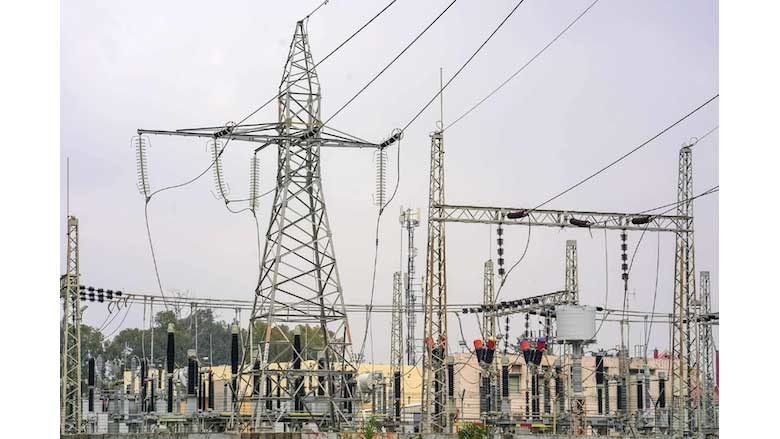
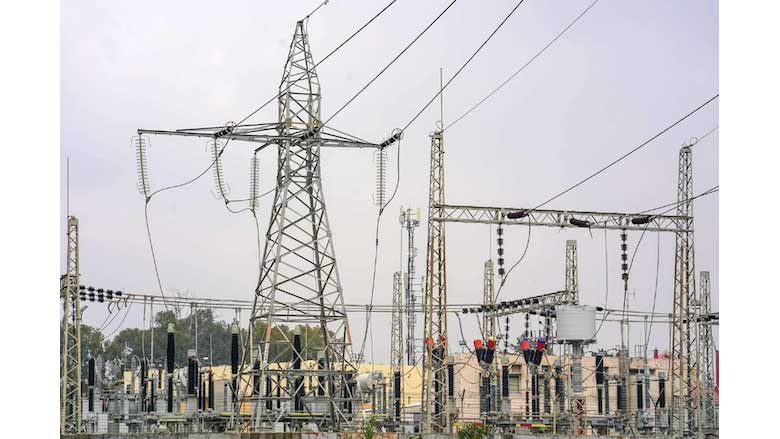
Vinci Energies, a division of French concessions and construction company Vinci, has won a $218 million contract to build a 1,350 kilometer power transmission and distribution network in Senegal.
The three-year contract was awarded by the state-owned National Electricity Co. of Senegal (Senelec), which has a monopoly on national transmission and distribution. The works also include eight high-voltage transformer stations. Vinci will also oversee the installation of a remote control interface to facilitate fault detection on overhead and underground transmission lines.
Omeron Senegal and Omeron Morocco, units of Vinci, will also support local training in electricity infrastructure management. At least 1,000 jobs will be created during construction and operation, according to the company. No groundbreaking timeline was revealed, but the project will take 36 months to complete.
“This project is part of a wider program to expand Senegal’s transmission and distribution network, with the aim of efficiently and sustainably strengthening the country’s energy capacity by 2026 and moving towards access universal to electricity,” Vinci said in a statement.
The expansion of transmission and distribution infrastructure will also partially support Senegal’s additional generation capacity from hydropower and other renewable sources, such as the recently completed $422 million Simbalangalou Dam, a regional initiative of Senegal, Gambia, Guinea and Guinea Bissau. The 128 MW dam, on the Gambia River in Senegal and built by Vinci, will bring energy to the grids of the four countries. Senegal currently has an electricity generation capacity of 1,500 MW from hydro, solar, wind, biomass and gas.
An additional 323 MW would be added to Senegal’s capacity from new grid-connected solar installations and another 158.7 MW from wind power, driving the need to improve the stability and capacity of the net.
Last November, Senelec launched a tender for the construction of 2,544 km of overhead and low-voltage underground lines, as well as substations as part of the densification and expansion of Senegal’s grid under the project.
