

This audio is automatically generated. Please let us know if you have any comments.
After more than 50 years of proposals and plans, the Chicago Transit Authority has selected a joint venture, Walsh-Vinci Transit Community Partners, to lead the design and construction of the Red line extension projectaccording to a statement from the agency. The contract is worth $2.9 billion.
The team consists of Chicago-based firms Walsh Construction and engineering firm EXP, along with French partners Vinci Construction and Systra and other subcontractors, according to CTA.
RLE is the largest project in CTA history and will provide faster connections from the South End of Chicago to the rest of the city, according to the release. Former Chicago Mayor Richard Daley first proposed the extension in 1969, according to CBS News Chicago.
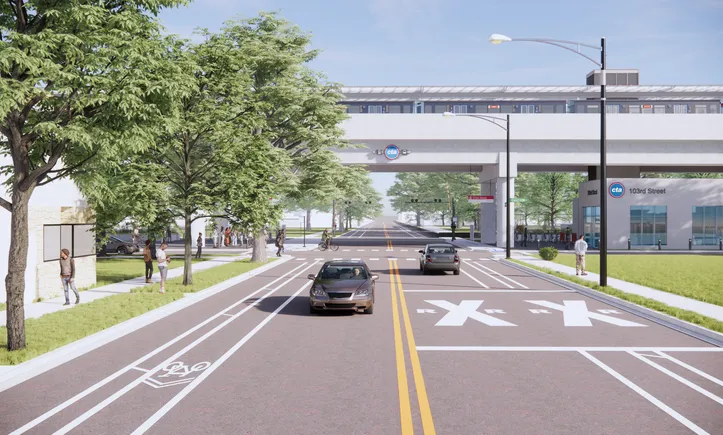
Transit improvements will add 5.6 miles of new tracks and four new fully accessible train stations at 103rd, 111th, Michigan near 116th and 130th streets. Each station will include bus, bicycle, pedestrian and parking facilities .
While the contract itself is $2.9 billion, the total budget for the project has increased to $5.3 billion, according to the release, which covers cost increases for construction materials, labor and financing. This is a 47% increase over the previous budget of $3.6 billion.
The transit agency intends to secure funding for the budget increase with bonds issued by CTA, according to the press release. That’s it in addition to the 1.97 billion dollars that the agency will receive from the federal government for the work.
CTA selected Walsh-Vinci’s proposal because the agency said the team provided an innovative approach to design and construction that will minimize impacts to the community. Walsh has been instrumental in recent construction in the city, including the $2.1 billion CTAs Project of the first phase of red and purple modernization.
The transit authority will begin advanced construction work this fall, including demolition of properties acquired for the expansion and early relocation of utilities ahead of major construction in late 2025. Officials expect the construction ends in 2030.
