

Expert guide to single wheel bike trailers for faster and smarter transportation
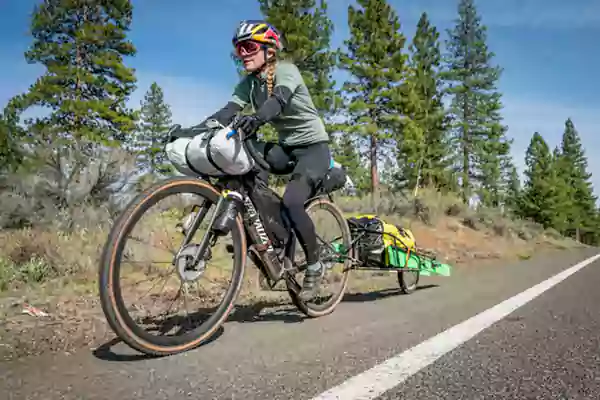
A single-wheel bike trailer is the most efficient way to transport real-world cargo without sacrificing speed, agility and pure riding enjoyment. Instead of overloading racks or packs, the trailer keeps the weight down and centered on its own wheel so the bike remains responsive. Commuters haul groceries and laptops, cyclists move tents and cooking gear, and weekend bikers explore gravel roads or forests with confidence. With a narrow wheel that follows directly behind the rear tire, this trailer style offers stable cornering, quick acceleration and effortless maneuvering in tight spaces.

What is a single wheel bike trailer
A single-wheel bicycle trailer is a compact cargo system that attaches to the bicycle at the rear axle or seat post and moves directly in line with the rear wheel. Because the trailer leans with your bike, handling feels natural and precise. The design minimizes side sway, reduces drag compared to wider two-wheel trailers, and makes your ride predictable over pavement, gravel and light trail.
How single wheel trailers behave on different terrains
The narrow wheelbase follows your exact line, making it easy to avoid obstacles. Curbs, roots and potholes are easier to manage because the trailer doesn’t add width that can snag or clip objects. On uneven sections, the single wheel lifts and rolls instead of bouncing from side to side, maintaining traction and keeping the gear composed. Riders who switch from panniers or two-wheel cargo trailers often report immediate improvements in balance and control on mixed terrain.
Who benefits most from a single wheel bike trailer?
Adventure riders, gravel riders and trail riders value streamlined handling and energy savings on long climbs. Urban commuters appreciate the compact footprint when filtering through narrow bike lanes and parked cars. Students and small business owners use them for errands and deliveries without the cost and logistics of a car. If your routes include tight turns, variable surfaces or frequent stops, this trailer format was created with your driving reality in mind.
Single-wheel vs. two-wheel trailers
Two-wheel trailers stay upright when parked and excel with bulky square loads on smooth streets. A single-wheel trailer prioritizes dynamic stability while moving, following perfectly behind the bike and leaning with you through the turns. On rough terrain or narrow trails, the single-wheel design avoids the wobble and pitch moments that two-wheel setups can experience, especially when loads change.
Basic advantages of single wheel bicycle trailers
Narrow tracking on narrow trails
If your bike goes through a gap, your trailer fits too. The in-line wheel path takes the guesswork out of narrow corridors, wooden bridges, screwdrivers and busy city lanes. This is a confidence multiplier during technical driving and everyday commuting.
Efficient aerodynamics and lower rolling resistance
With a flat tire and thin frame, resistance is low and pedaling feels smoother. On long rides and extended climbs, the energy savings are noticeable, helping you go further with less fatigue and keep your average speeds high.
Compact storage and easy transport
The narrow chassis stores perfectly in apartments, sheds and van trunks. Many models include quick releases or folding hardware so you can quickly pack the trailer after a trip or tuck it under a work bench between trips.
The best use cases for a single wheel bike trailer
Bikepacking and Adventure Touring
Carry tents, sleeping systems, cookware, tools and extra water without piling weight high on your bike. Your frame remains nimble, which is crucial on long days mixing gravel, pavement and the occasional singletrack connector.
Daily trips and weekend errands
Replace short car trips with reliable pedal power. A single-wheel trailer carries groceries, work bags, a change of clothes and household items, while keeping the spine comfortable and the bike nimble in traffic.
Mountain trails and mixed surfaces
For riders who leave the pavement behind, the single-wheel design provides true tracking over roots, rocks and washboards. Minimizes side loads on the bike and prevents the load from pulling the bike off line on uneven terrain.
Key features to check before you buy
Attachment systems and compatibility
Seat post and axle bindings are common. Verify fitment of thru-axle or quick-release standards and follow manufacturer’s torque specifications. Carbon frames may require special adapters or extra caution to protect the dropouts.
Load capacity and balance
Typical single-wheel bicycle trailers support between forty and one hundred pounds. Keep the dough low and centered near the shaft to prevent it from sticking. Use bins or dry bags to prevent the load from shifting when braking or turning.
Wheel size and frame material
Larger diameter wheels smooth rough surfaces and reduce pinch flats. Aluminum frames save weight and resist corrosion in wet climates, while steel prioritizes rugged strength and repairability for remote travel.
Waterproof bags and load protection
Integrated dry bags or hard shells protect clothing, electronics and food from rain and trail dust. Roll-up top closures and taped seams add reliability for multi-day hikes and shoulder-season commutes.
Safety basics for your first trailer
Smart load placement
Place dense items closer to the shaft and cover fragile items. Avoid heavy top stacking that raises the center of gravity. A stable trailer makes the bike feel lighter and easier to steer.
Braking and speed control
The added weight increases stopping distance. Practice gradual braking and test emergency stops in a quiet area before tackling hills, traffic and wet roads. Maintain moderate speeds on descents to protect tires and rims.
Visibility in traffic
Install a tall safety flag, bright taillights, and reflective accents on the sides of the trailer. Make your overall footprint unmistakable to drivers at dusk and during low-contrast weather.
Simple maintenance for long-term reliability
Checks of wheels, tires and spokes
Maintain recommended tire pressure for low rolling resistance and fewer flats. Inspect spoke tension and hub clearance after bumpy rides to maintain straight tracking under load.
Frame, attachment and fixings
After wet or dusty rides, rinse and dry the frame, then lightly lubricate the pivot points. Tighten the bolts, check the safety pins and confirm that the quick releases are fully seated before each ride.
Price ranges and what to expect
Entry-level single-wheel bike trailers under two hundred dollars are suitable for light errands on smooth streets. Mid-range options between two hundred and five hundred dollars add stronger hitches, better wheels, folding features, and weatherproof storage. Premium models over five hundred dollars are aimed at international routes and rugged mountain trails with lightweight alloys, reinforced joints and expedition-grade bags.
Frequently asked questions
Single wheel bike trailers are difficult to control
Control is intuitive because the trailer tilts with the bike. Most riders feel comfortable after a short training session, especially when the loads are low and centered.
Any bike can tow a single wheel trailer
Almost any bike can tow with the correct hitch and axle adapter. Check compatibility of quick-release or thru-axle systems and review the frame manufacturer’s instructions for safe towing.
How much weight is safe to carry?
Follow the trailer rating and keep heavier items close to the axle. Many riders prefer to carry fifty to seventy pounds for ideal handling in mixed terrain.
Are they safe on steep descents?
Yes, when speed is controlled and braking is gradual. The extra mass extends the stopping distance, so leave more room, avoid harsh steering and check the tires after long downhill stretches.
It is a practical single-wheel trailer for daily groceries
It’s a great replacement for short car trips. Use stackable containers or a roll-top dry bag, tape items to prevent them from moving, and enjoy stable handling during the ride home.
Can I use a trailer in rainy conditions?
Absolutely. Choose a model with waterproof storage, add fenders when possible and run bright taillights. Rinse sand from moving parts after wet rides to extend life.
Make single wheel trailers turn easily
Not when packed properly. Keep your center of gravity low, avoid sudden sharp turns at high speed and check your tire pressure to reduce bounce on rough surfaces.
Final thoughts
A single-wheel bike trailer unlocks fast, stable and sustainable transportation for everyday life and ambitious adventures. With tight trail tracking, efficient aerodynamics, compact storage and balanced cargo handling, it turns your bike into a capable utility vehicle that still feels fast and fun to ride. Choose a compatible hitch, pack low and centered, light up your trailer for visibility, and you’ll be ready to replace more car trips as you explore further afield by bike.
