

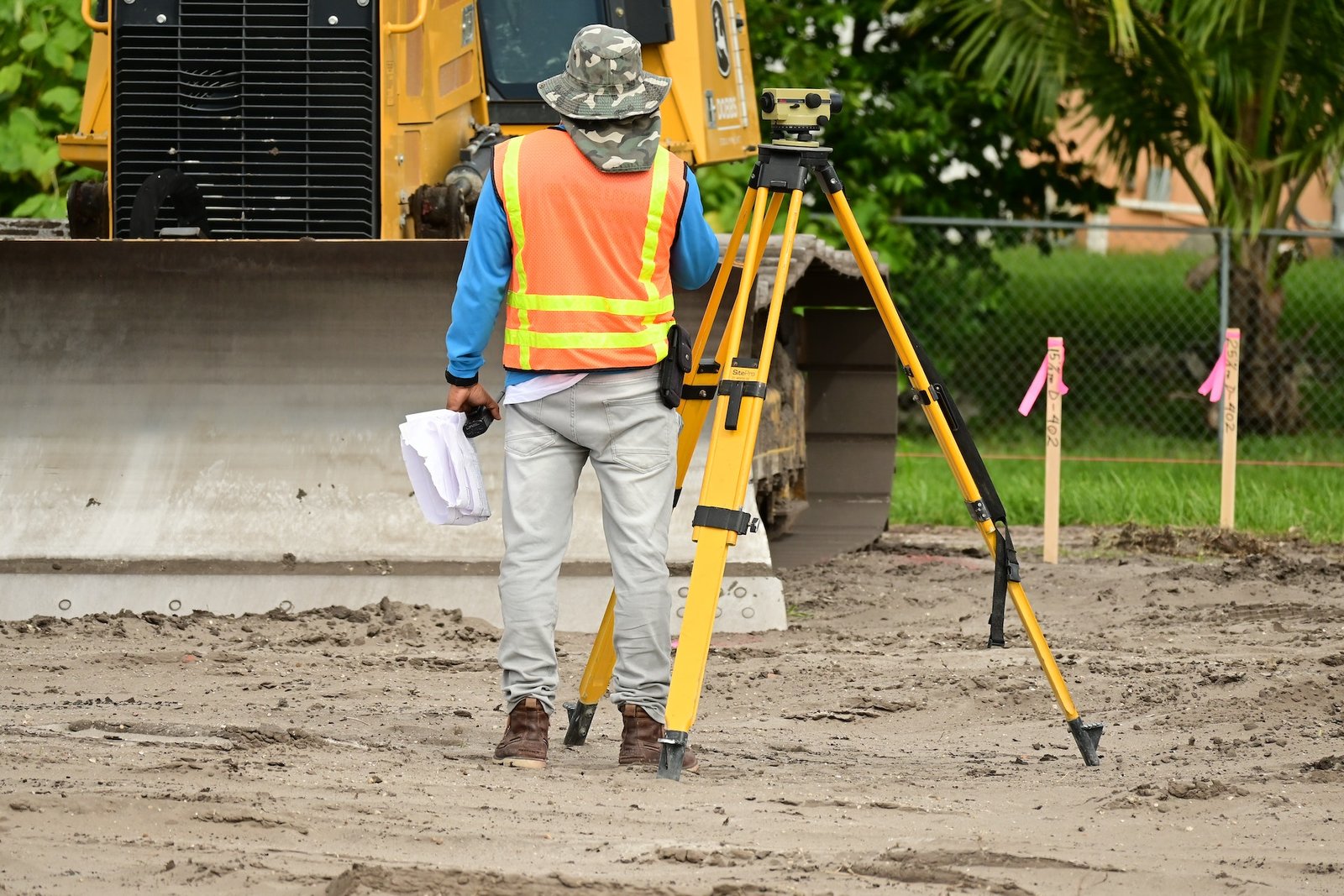
In the dynamic and ever-evolving construction industry, the role of a building surveyor is critical. These professionals provide essential information about the condition and value of properties, helping buyers, sellers and financial institutions make informed decisions. If you aspire to become a house surveyor in the UK in 2023, this article will guide you through the steps and qualifications needed to embark on this rewarding career.
Before delving into the specific requirements, it is crucial to understand the responsibilities and duties of a house surveyor. Building surveyors travel to construction sites and/or existing homes to assess the condition of properties, identify potential defects or problems, and provide accurate reports to clients. They play a crucial role in real estate transactions, ensuring transparency and helping people make informed decisions.
In a nutshell, you will be:
- Working at height
- Outdoors in all weather conditions.
- Reporting to your clients.
- Identification of damage/defects and assessment of the structural conditions of the properties.
- Spend nights away from home to travel.
If you plan to be self-employed, you may not need a huge amount to start with, as your biggest expense will likely be your commercial car. A basic car service every once in a while will help you avoid a potential breakdown on your way to work and annoying your customers.
Get the right qualifications
In the UK, becoming a building surveyor usually requires obtaining the appropriate qualifications. Here are the key steps to follow:
Education: Consider pursuing a degree in surveying, construction or a related field. Various universities and educational institutions in the UK offer relevant programmes. In general, you will need 2-3 A levels, or equivalent, to enrol.
Accredited courses: To improve your prospects, consider completing an accredited surveying course recognized by professional bodies such as the Royal Institution of Chartered Surveyors (RICS) or the Chartered Institute of Building (CIOB). These courses can provide specialist knowledge and help you gain a competitive edge.
Professional Accreditation: Once you have acquired the necessary training and qualifications, apply for professional accreditation. The most recognized accreditation for surveyors in the UK is to become a Chartered Surveyor, which is awarded by RICS. This designation demonstrates your expertise and commitment to the highest professional standards.
Gain practical experience
Hands-on experience is vital to becoming a competent house surveyor. Consider the following avenues to gain valuable hands-on experience:
Apprentices: Some organizations and employers offer survey apprenticeship programs. These programs offer a combination of hands-on work experience and structured training, allowing you to learn from experienced professionals while earning a salary.
Work placements and internships: Look for opportunities to gain work experience through internships or placements with surveying companies or construction companies. This will enable you to understand day-to-day operations and develop relevant skills.
Conclusion:
Becoming a building surveyor, like many other professions, requires a combination of education, practical experience and professional accreditation. By gaining the necessary qualifications, gaining practical experience and developing the necessary skills, you can position yourself for success.
