

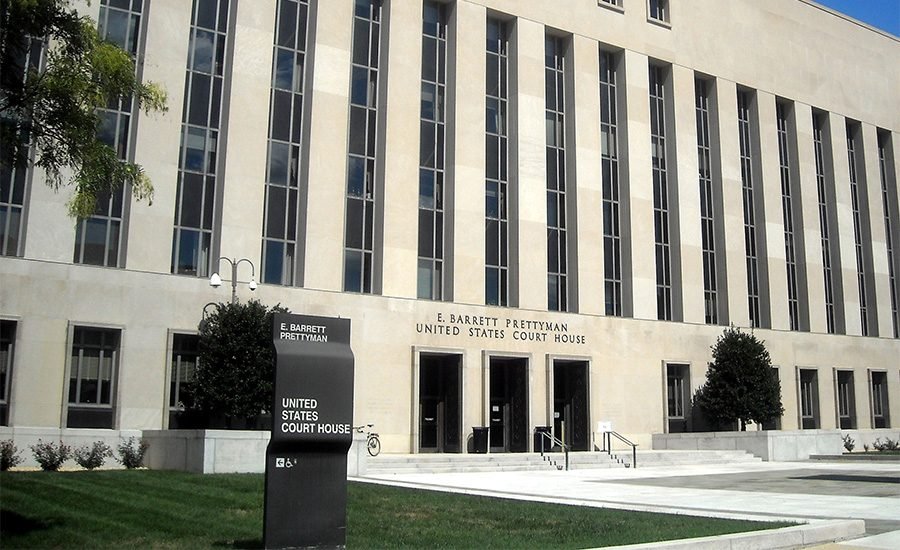

A government watchdog group has filed a lawsuit seeking records related to the construction of the planned White House State Ballroom, adding a new transparency dispute to a project already facing multiple legal and preservation challenges.
Public Citizen filed the lawsuit Dec. 22 in the U.S. District Court for the District of Columbia, alleging that the White House and the U.S. Department of the Interior failed to respond to a Freedom of Information Act request seeking documents related to the ballroom project, including records related to planning, approvals and contracting, according to the complaint and a report by Politico Pro Energy and Environment.
RELATED
Court documents push the White House ballroom project into a new phase
“The White House has hidden the truth about how the Park Service is being used as a tool to facilitate Trump’s shady ballroom financing scheme,” said Jon Golinger, democracy advocate at Public Citizen. “But the American people have a right to know who is doing what in the House of the People and we will find out the facts.”
The lawsuit does not seek to stop construction directly, but takes aim at the paperwork underlying the project, which involves demolishing the historic East Wing and building a roughly 90,000-square-foot ballroom on federal property. Although the project is privately funded, it is being built within the White House complex, raising questions about how federal oversight, disclosure requirements and preservation laws apply.
RELATED
White House lounge construction progresses as oversight gaps emerge
Wendy Liu, an attorney with the Public Citizen Litigation Group and lead counsel on the case, said the lawsuit focuses on mandatory compliance with federal transparency laws. “The Trump administration’s failure to respond to this FOIA request reflects its more general disregard for transparency,” Liu said. “The Trump administration is withholding information that the American people have a right to know.”
The FOIA dispute comes amid ongoing litigation brought by preservation groups that question whether required federal reviews were completed before demolition began. In recent court filings reviewed by ENR, the Trump administration has argued that construction should continue while these cases play out, warning that stopping work midstream would impose cost and logistical risks.
In a statement filed in a separate preservation lawsuit, White House spokesman Davis Ingle said the administration has broad authority to continue the work. “President Trump has full legal authority to modernize, renovate and beautify the White House, just as all his predecessors did,” Ingle said.
For contractors and designers, the latest lawsuit underscores the project’s exposure to non-technical risk tied to transparency and governance, even as physical construction progresses. The case also raises broader questions about how FOIA obligations apply to privately funded construction at federal sites and what documentation must be publicly disclosed for high-profile government facilities.
Public Citizen is asking the court to compel agencies to produce sensitive records and meet FOIA deadlines. The White House and the Department of the Interior have not publicly commented on the lawsuit since its publication.
