

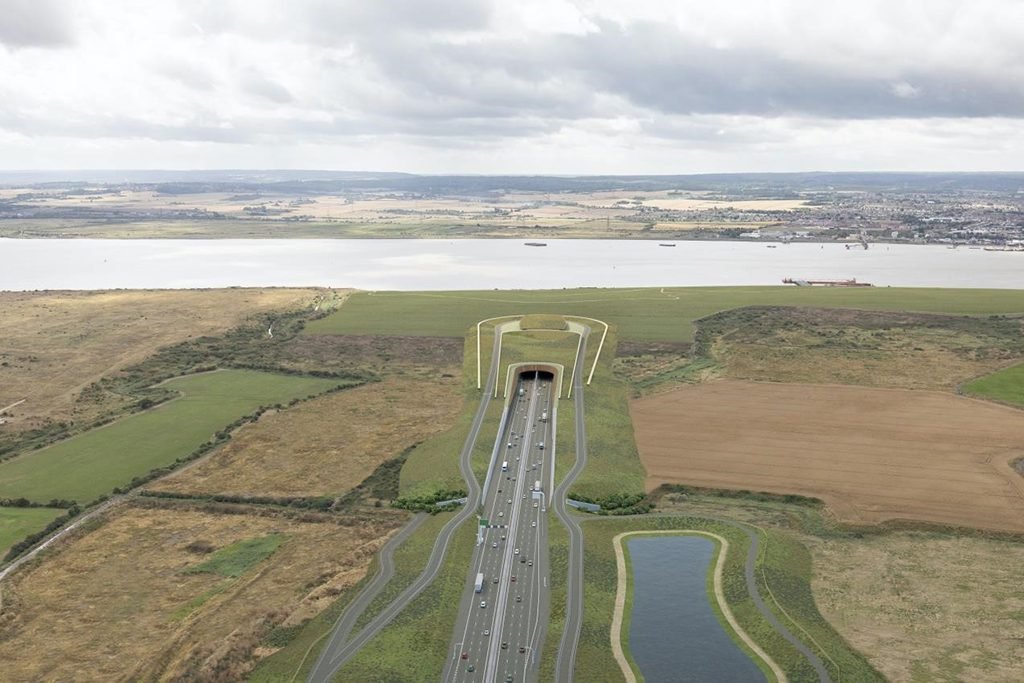
National Highways is aiming to make one of the UK’s largest purchases of low-carbon hydrogen, to power construction machinery at the site of the planned Lower Thames Crossing (LTC).
He said the £50m purchase of the hydrogen production, delivery and storage business, revealed in a tender notice yesterday (Tuesday), would reduce LTC’s carbon footprint, accelerate the industry’s shift from the construction of diesel and the development of a hydrogen ecosystem would begin. in the Thames estuary.
National Highways aims to purchase the supply, storage and distribution of over 6,200 tonnes of hydrogen over eight years for use in the LTC project, which would replace the consumption of around 20 million liters of diesel.
Other projects such as HS2 have trialled small hydrogen generators, but National Highways said the LTC would be the first in the UK to use the fuel on a large scale to power major construction vehicles such as bulldozers and tipper trucks. The program aims to remove an estimated total of 66 million liters of diesel from their workplaces.
National Highways also plans to use power plants for static or slow moving machinery where a mains connection is possible, and in smaller equipment where battery solutions are viable. He said other renewable fuel sources and biofuels can also be used.
The agency reported that 45 percent of the project’s workforce would be hired in the local area, which it expects will leave “a legacy of green skills” in the region.
LTC chief executive Matt Palmer said: “The proposed LTC is designed to be the greenest road ever built in the UK, with the aim of being carbon neutral in construction. At the heart of these plans there is the use of clean, low-carbon hydrogen energy.
“By using it on such a large scale to power our heavy construction machinery that is traditionally difficult to electrify, we can significantly reduce our carbon footprint.”
Laura Blake, chair of the Thames Crossing Action Group, which opposes the LTC, said: “There are no guarantees that any of this can or will happen if the proposed LTC goes ahead. Even if it did, it is anticipated that the cost of greener construction is more than three times as much, and the supply of green hydrogen is limited. It takes large amounts of electricity to produce hydrogen, and this comes at a time when we have a shortage of electricity in the country
“The cost associated with greener construction would further increase the already high cost and force a reduction in the already low benefit-cost ratio. Value for money is something that many, including government officials and project reviewers, they’re already questioning.”
Mr Blake added: “There is nothing green about the proposed LTC – it would be hugely destructive and harmful, and it does not achieve the aims of the scheme. It is simply not fit for purpose.”
Noting the Climate Change Committee’s call for an urgent review of all current and future road construction, he said the action group believed it “should result in the removal of the proposed LTC”.
The LTC is a proposed new road and tunnel across the Thames in East London. Detailed examination of the plans by the government’s independent planning experts, the Planning Inspectorate, began on 20 June. If the plans are approved, construction is expected to begin in 2026.
