

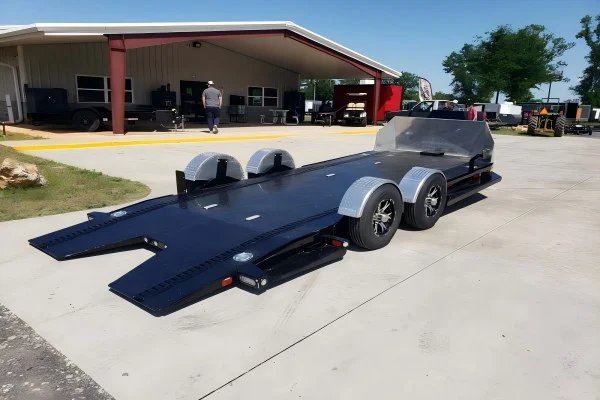
Car drop trailer explained for safer low car transport
If you’ve ever had trouble loading a low clearance car onto a trailer, you understand why a drop car trailer is important. This type of trailer is designed to lower the deck directly to ground level, so you can drive a vehicle without worrying about sharp corners, scraping bumpers or damaging expensive components. It’s not just a small upgrade over traditional trailers. It completely changes how charging works in real world situations. Many buyers today are looking for solutions such as low angle car trailer loading, hydraulic deck towing systems and safer transportation for sports cars. This is exactly where this design comes into play. Whether you’re moving standard vehicles, electric cars or high-value sports models, a drop car trailer offers a smoother, more controlled loading experience that reduces risk and saves time.

What is a drop car trailer and why is it important
A car trailer is based on one key idea: to completely eliminate the loading angle. Instead of relying on ramps or tilt systems, the trailer lowers its entire platform to ground level. This allows the vehicles to be loaded with almost zero lean, which is especially important for low-profile vehicles. Whether it’s lowered cars, luxury sedans, or long-wheelbase electric vehicles, traditional ramps can quickly become a problem. The drop system addresses this pain point directly. In practical use, this means fewer loading errors, less stress on suspension components and a more predictable workflow. For businesses, this translates into greater efficiency and fewer claims for damages. For individual buyers, it means peace of mind every time you load a vehicle.
How a drop car trailer works in real life
The working process is simple but powerful. A hydraulic system controls the height of the trailer deck. When activated, the platform slowly lowers until it reaches the ground. At this point, you have a flat surface instead of an incline. You can drive the vehicle directly onto the trailer or use a winch if necessary. Once the vehicle is in position, the deck is raised back to transport height. This entire process can usually be handled by one person, which is a huge advantage for operators who work alone. Compared to ramp loading or tilting deck loading, the difference is immediately noticeable. There’s less guesswork, fewer adjustments, and much more control during every step.
Types of car trailers you will find
Hydraulic drop deck trailer
The most common option on the market is the hydraulic deck trailer. It uses a hydraulic pump and cylinder system to control the movement of the deck. This configuration provides smooth and stable operation, which is important when driving expensive vehicles. If you are looking for the best drop car trailer for small capacity vehicles, this is usually the first choice. The system is reliable, extensively tested and easy to use once you understand the controls. Many professional transport companies prefer this type because it balances performance and durability.
Air suspension drop trailer
Another option is the air suspension trailer. Instead of hydraulics, it uses air bags to adjust the height of the trailer. When the air is released, the trailer lowers to the ground. This system is often used in specialized applications where shock absorption is critical. It provides a smoother ride during transport and can help protect sensitive cargo. However, it is generally more complex and less common than hydraulic systems in standard car transport scenarios.
Actual comparison of drop trailer and tilt trailer
A common question that buyers ask is whether they should choose a drop trailer or a tilt trailer. The answer depends on how you use it. A tilt trailer reduces the loading angle, but still rests on a slope. A drop trailer eliminates the slope completely. If you only occasionally load standard vehicles, a tilt trailer may be sufficient. But if you frequently haul sports cars, modified vehicles, or anything with low ground clearance, the drop trailer becomes a much safer and more practical option. It reduces the risk of scraping and makes the process faster. Over time, this difference increases in both cost savings and convenience.
Key structural components affecting performance
The performance of a car trailer depends largely on its structure. The frame must be strong enough to support both the weight of the vehicle and the stress of repeated load cycles. Most trailers use high strength steel or aluminum depending on the application. Steel offers greater strength and durability, while aluminum reduces overall weight and improves towing efficiency. Axis configuration also plays an important role. Tandem axle configurations are common because they provide better stability and higher load capacity. In addition, the braking system must be properly adapted to the size of the trailer. Electric brakes are widely used because they offer better control during road transport.
Why buyers are switching to car trailers
The main reason buyers are switching to car trailers is simple: fewer hassles while loading. When you remove the angle, you remove the risk. This is especially important for companies that handle vehicles on a daily basis. A small mistake with a ramp can lead to costly damage. With a drop trailer, the process becomes much more predictable. Another reason is efficiency. Loading takes less time and a single person can handle the job without additional help. For businesses, this means lower labor costs and faster response times. For people, it means less hassle and more confidence every time they use the trailer.
Choosing the right size and capacity
Choosing the right trailer size is one of the most important decisions you will make. Both the vehicle’s weight and dimensions must be taken into account. Many shoppers search for terms like the best size car trailer for SUV or how to choose trailer capacity for car hauling. The key is to look at the total weight, including fuel and any additional equipment. Then choose a trailer with enough capacity to handle that load safely. It is always better to have extra capacity than to operate at the limit. Also, consider the length and width of the cover to ensure the vehicle fits comfortably without tight margins.
Steel versus aluminum trailers
The choice of material affects both performance and long-term cost. Steel trailers are stronger and tend to be more affordable up front. They are a good choice for heavy use and harsh environments. Aluminum trailers are lighter and more resistant to corrosion, making them ideal for long-distance transport and wet climates. If you tow frequently, the weight savings of aluminum can improve fuel efficiency. However, aluminum trailers often come at a higher price. The best choice depends on how you plan to use the trailer and your budget.
Maintenance tips that really matter
Keeping a drop car trailer in good condition isn’t complicated, but it does require consistency. The hydraulic system should be checked periodically for leaks and proper fluid levels. Tires should be inspected for wear and proper pressure. Brakes should be tested before long trips to ensure they respond properly. If you ignore these basic steps, small problems can quickly turn into expensive repairs. On the other hand, regular maintenance extends the useful life of the trailer and keeps it running for years.
Real buying advice from industry experience
If you are buying your first car trailer, focus on how you will use it. Consider the types of vehicles you drive, how often you load and unload, and whether you need additional features such as a winch or tool storage. Avoid choosing a trailer based on price alone. A cheaper option may cost more in the long run if it lacks adequate durability or capacity. It’s also important to work with a manufacturer who understands export standards and customization. This ensures that the trailer complies with local regulations and fits your specific needs.
Frequently asked questions about drop car trailers
It’s a drop-in car trailer best for low cars
Yes, a drop car trailer is one of the best solutions for short clearance vehicles. Since the deck is flush with the floor, there is no slanted angle during loading. This prevents damage to the bumpers, side skirts and landing gear components. It is especially useful for sports cars and modified vehicles.
A drop trailer can be easily operated by one person
In most cases, yes. The hydraulic system allows one person to lower and raise the deck without assistance. This makes it ideal for small businesses or solo operators who need an efficient workflow without additional manpower.
What is the difference between a drop trailer and a tilt trailer
A tilt trailer still uses an angle to load vehicles, while a drop trailer eliminates the angle entirely. This makes drop trailers safer and easier to use for low vehicles. Tilt trailers are simpler and cheaper, but not as versatile.
How do I choose the right size drop car trailer?
Start by checking the weight and dimensions of the vehicles you want to transport. Then choose a trailer with a capacity greater than your maximum load. Also consider the length and width of the cover to ensure proper fit and balance during transport.
Maintenance of drop trailers is difficult
Maintenance is simple if done regularly. Focus on hydraulics, tires and brakes. Routine checks can prevent major problems and keep your trailer running smoothly for a long time.
