


Maximizing affordable multifamily housing will require new policies and new voluntary practices, according to panelists at a recent Regional Plan Association webinar.
The independent civic nonprofit’s event—Creating Opportunity for All: Building the Housing Need—brought together development experts, financiers and academics to weigh in on expanding options for low- and moderate-income residents. The panel shared ideas about what they are doing, or would like to see done, for successful multifamily developments.
Hugh Frater, president of Vessel Technologies, a builder of modular multifamily homes, would like the tristate area to adopt Appendix N of the International Building Code. The policy change would allow a pre-approved building design to be adopted in different municipalities without repeated review processes. The company is familiar with navigating different review processes, having a couple of developments underway in Connecticut and a six-unit building in Trenton, New Jersey. Reducing duplicative review processes could lower construction costs, Frater said.
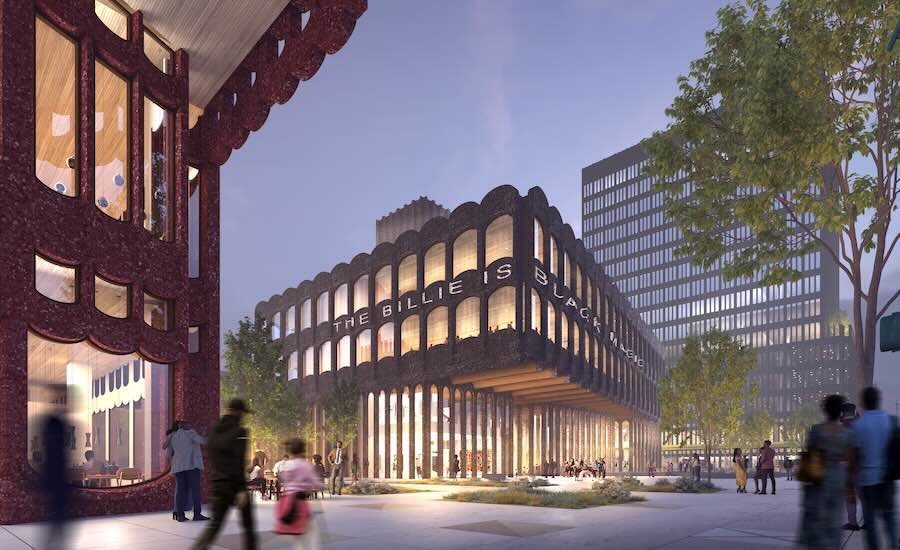
Organizations looking to build can also be successful by engaging with local communities. Bedford Stuyvesant Restoration Corp., a community investing nonprofit and real estate holding company, is beginning a multi-year upgrade at Restoration Plaza in Brooklyn. The work plans to create around 1,000 units of housing and community space, including shops, offices and cultural centers on property owned by the organization since 1968.
Restoration is not required to go through ULURP community participation. But the team has still met with the local community board and will continue to do so as the project evolves, said Blondel Pinnock, the organization’s president and chief executive, to make sure nearby residents are on board.
“In neighborhoods like Bed Stuy, there’s been a long history that informs how development is received,” Pinnock said.
Existing affordable housing could be made more accessible by helping homeowners who cannot afford repairs. While lower-income landlords struggle to budget for necessary maintenance, so do smaller, long-term landlords who offer affordable units, said Diana Hernandez, associate professor of sociomedical sciences at Columbia University. Owners may have to give up these units as a result. The restoration has come to manage small apartment buildings for this exact reason, because local owners could no longer afford to take care of them, Pinnock said.
Looking for quick answers on construction and engineering topics?
Try Ask ENR, our new intelligent AI search tool.
Ask ENR →
Finding a way to help with needed low-income repairs could help keep locally owned buildings in local hands, Hernandez said.
“The preservation of this type of housing stock is really key to maintaining wealth opportunities for people in these communities,” he added.
