


Josh Mackanic worked on some of Pacific Gas & Electric’s major projects and managed more than $500 million in business in 10 years as an engineer at the California utility.
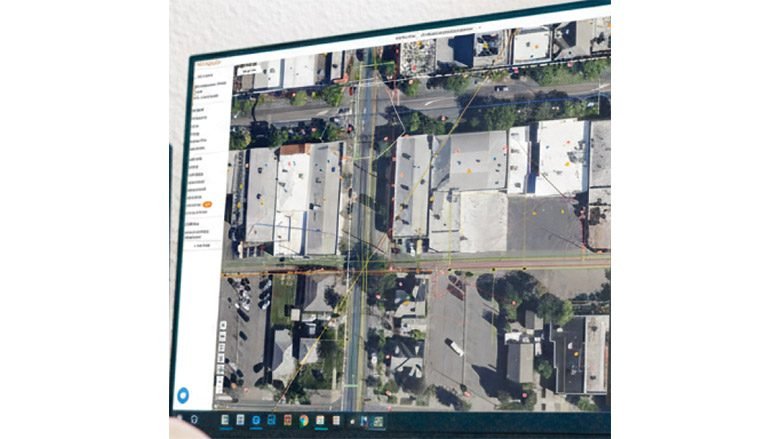
Despite the modern BIM and GIS technology he was used to working with, it never felt right that underground pipes, power lines and even utility tunnels were often known only by old 2D drawings. This put pressure on any contractor involved to accurately determine what was true or not using ground-penetrating radar, LiDAR, or other technologies. In 2020, Mackanic started CivilGrid as the “Google Maps” for underground conditions. It has now collected data on utility assets, property ownership and environmental regulatory records of more than 10,000 projects on the platform. Data comes from over 3,000 businesses, agencies and homeowners in California, Florida and Texas. CivilGrid co-founder Brandon Cohen is a former water utility manager.
The company’s funding round was led by Spark Capital, with further investment from Afore, A*, Ford Street Ventures and SNR. Energy Impact Partners, an investment fund managed by several large utilities, also joined.
The US Occupational Safety and Health Administration estimates that about 30% of industry incidents result from location error. “It’s not that locators are bad. We’re putting too much weight on their shoulders,” says Mackanic.
“My observation from PG&E is that there’s a lot of data that we’re sitting on that would be really valuable to inform everybody’s projects, but it’s really more than just utilities,” he says. “Due to the expansive geospatial nature of the footprint [we have data about]we are generating a lot of knowledge about our built environment. CivilGrid was inspired by the emergence of the collaborative economy.”
PG&E was an early adopter of CivilGrid, as was Atmos. They said the rig let them know what was missing from the scans, including a 24-in. water channel that was not marked in the documents of a project. Mackanic said the focus will always be on getting the data right.
“I was at PG&E when it had the tragic San Bruno [pipeline explosion in 2010]that was one of the biggest that resonated throughout the industry,” says Mackanic. “It was the mindset.” The incident caused eight deaths, with 38 homes destroyed. “Having that in our DNA as a company has been helpful because it helps us understand the stakes and the importance of being diligent. [and] meticulous, ideally not at the expense of moving projects forward efficiently, but in a responsible manner.”
Looking for quick answers on construction and engineering topics?
Try Ask ENR, our new intelligent AI search tool.
Ask ENR →
