

This audio is automatically generated. Please let us know if you have any comments.
Craig Thompson is co-founder of Austin, Texas-based specialty executive recruiting firm Allegiance Search, which focuses on digital infrastructure, energy and advanced manufacturing equipment. The opinions are the author’s own.
Power has been the defining barrier to data center industry growth for years. But in August, Texas Gov. Greg Abbott gave the industry a very public reminder that access to power isn’t the only thing developers need to worry about.
Abbott temporarily suspended approvals for the new data center projects within the Texas grid interconnection process and ordered an audit of pending developments amid concerns about grid reliability and the extraordinary volume of proposed new electricity demand. It was reported that around 90% of the proposed 474 GW of new load requests to the state were tied to data centers.
For anyone who works in digital infrastructure, let alone in Texas developments, this is somewhat surprising.

Craig Thompson
Permission granted by Craig Thompson
Texas is one of the most development-friendly states in the country and is expected to become one of the largest data center markets in the world. However, the state is now effectively saying that the expansion must come on terms that protect the existing grid and the communities that already depend on it.
I think this points to the next big development challenge for this industry. In addition to motorized land and capital, developers need public support.
Residents pushing back are right
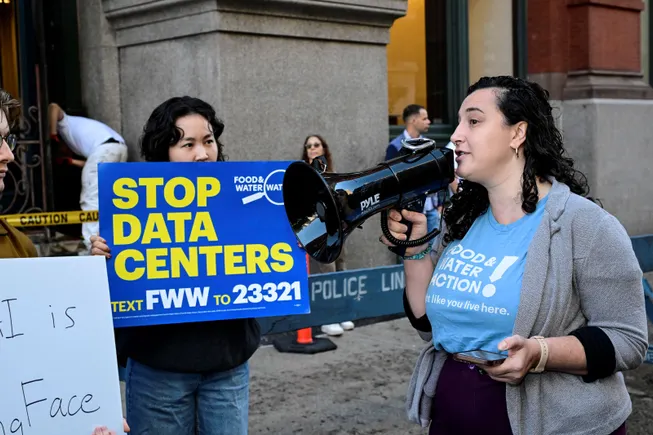
It’s easy for us to characterize community opposition as people who don’t understand the economic opportunities that data centers create. I think that would be a mistake.
We look at the development through the eyes of someone who lives in one of the smaller communities where these projects are often built. They don’t think about the demand for AI computing or the long-term value of hyperscale infrastructure. They’re thinking about what’s changed outside their front door: construction traffic, noise pollution, open land that suddenly becomes construction and, of course, energy costs.
If residents believe a large new user of electricity is contributing to higher costs or putting additional strain on the infrastructure they already depend on, telling them the project will ultimately be good for the local economy won’t win them over.
Abbott’s intervention is important precisely because these concerns have moved beyond local protest and into statewide infrastructure policy. Texas is now examining whether the proposed data center demand is realistic and whether the network can support it without placing an undue burden on existing customers.
This is a major shift in the conversation.
The benefits are real, but they come later
Obviously, there’s the other side to this, and for the record, the side that I think really matters. Data centers bring substantial economic benefits to the communities in which they are developed.
The construction phase creates thousands of jobs. Once operational, the projects provide permanent employment and can generate significant local tax revenue. Over time, that money contributes to roads, utilities and broader infrastructure improvements.
The problem is that costs and benefits come at completely different times.
Disruption begins as soon as construction begins. The biggest financial benefits can take years to materialize. This gap is where developers run the risk of losing people.
If your commute gets worse this month, your electricity costs rise, and the landscape around your city changes dramatically, it’s understandable that the promise of better infrastructure in five or 10 years may not immediately seem like a big win.
Community relations as a function of development
This obstacle has given rise to community relations as a genuine leadership function.
At scale, more developers are hiring senior people specifically to manage the relationship between projects and the communities around them.
The title varies. In some companies it is under community relations, while in other places it is closer to external affairs. The purpose is the same. These people are the link between the developer and the community.
Their job is to explain what is being built, why it is being built, and what the long-term benefits might be. Equally important, they must understand local concerns early and ensure that these reach the decision makers within the company.
That’s why I think the role goes far beyond traditional PR.
When projects create visible disruption before benefits arrive, someone needs to own that communication. Developers need people who can credibly engage with local leaders and residents, while giving the internal team a much clearer understanding of how the project is being received, before the cardboard signs go out.
As data center projects become more politically and publicly visible, community relations are moving closer to the core of how these projects are developed, and I expect that to continue.
Over the next few years, I think we’ll see community relations professionals become a much bigger priority at the board level, especially for those building at scale across multiple markets. Companies that recognize this early will be better prepared for the next phase of data center growth.
