

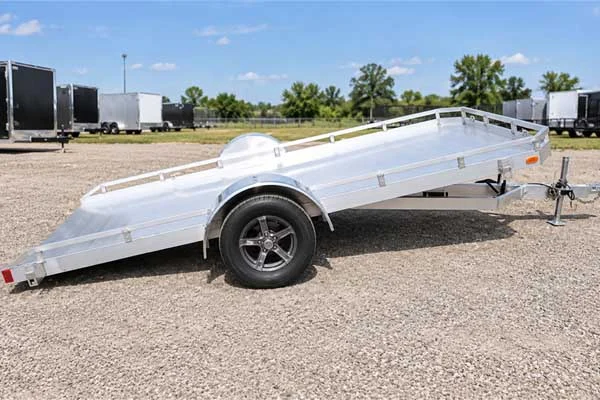
Single Axle Tilt Trailer: What you need to know before you buy?
A single axle tipper trailer is a practical solution for buyers who need a compact trailer with easier loading performance. Unlike traditional trailers that require separate ramps, a tilt trailer uses a tilt deck design that allows equipment, vehicles and materials to be moved onto the trailer more easily. This makes it popular with landscaping companies, equipment operators, contractors and individual users who need flexible transport.

Before purchasing a single-axle tipper trailer, buyers should evaluate several factors, including load capacity, axle performance, frame strength, trailer compatibility, and intended application. Choosing the right configuration helps ensure safe operation and better long-term value.
Why more buyers choose a single axle tilt trailer
The main reason many buyers choose a single axle trailer is convenience. The tilting platform simplifies loading and unloading by reducing the need for additional equipment. For operators who frequently transport small machinery, lawn equipment, motorcycles or other wheeled loads, this design can save time during daily operations.
How the tilt design changes loading and unloading
A tilt trailer works by allowing the bed of the trailer to tilt down, creating a smooth transition between the floor and the surface of the trailer. This design helps reduce the loading angle and makes it easier to move equipment on the trailer using ramps, wheels or small machines.
Common uses for single axle tilt trailers
Single axle tilt trailers are commonly used for garden equipment, compact machinery, motorcycles, ATVs, small vehicles and construction tools. Their smaller size also makes them easier to store and maneuver compared to larger trailer options.
What is a single axle tilt trailer?
A single-axle tipper trailer combines a tipper trailer platform with a single-axle undercarriage system. The design focuses on easy loading, simple operation and efficient towing for applications that do not require extremely high payload capacity.
How the tilt mechanism works
The tilt mechanism allows the trailer bed to pivot around a pivot point. Depending on the trailer design, the tilt function can be operated by gravity, a hydraulic system, or a manual locking mechanism. The goal is to create a safer and more convenient charging process.
Main components of a single axle tilt trailer
Important components include trailer frame, single axle assembly, suspension system, tires, coupling, tilt hinge, locking mechanism and deck surface. Each part affects the stability of the trailer and the overall performance of the trailer.
Advantages of using a single axle tilt trailer
Easier equipment loading without additional ramps
One of the biggest advantages of a single axle tipper trailer is the reduced setup time. Operators do not always need to carry separate ramps, which can simplify transportation and speed up loading operations at different jobsites.
Better maneuverability for smaller vehicles
Because of its compact design, a single axle tilt trailer is easier to tow and maneuver in smaller spaces. This is useful for residential areas, farms, landscaping projects and places where larger trailers may be difficult to use.
Fewer maintenance requirements
Compared to larger multi-axle trailers, single-axle models generally have fewer components to maintain. Periodic inspection of tires, bearings, suspension parts, and tilt mechanism can help maintain reliable performance.
What to consider before buying a single axle tilt trailer
1. Trailer capacity and size
The first step is to select a trailer size that matches your typical loads. Buyers should consider equipment dimensions, weight, loading frequency and towing vehicle capacity before making a purchase decision.
2. Axle capacity and suspension design
The axle is responsible for supporting the load of the trailer and maintaining stability during transport. A well-rated axle helps improve safety and reduces unnecessary wear and tear on tires and suspension components.
3. Tilt angle and load performance
The angle of inclination directly affects the comfort of loading. A proper tilt design provides a smooth approach angle while maintaining stability when the trailer is loaded and hauled.
4. Frame construction and material quality
A strong frame is essential for long-term trailer performance. Buyers should check the steel quality, weld consistency, corrosion protection and overall structural design to ensure the trailer can withstand repeated use.
Single axle tipper trailer applications
Transport of gardening and lawn equipment
Landscaping professionals often use single-axle tilt trailers to move mowers, compact equipment and garden tools between jobsites. The easy-load design helps reduce set-up time and improves workflow.
Small machinery and utility transport
For businesses that transport small machinery or utility equipment, a tilt trailer offers a flexible solution without requiring a large trailer setup.
Personal and commercial towing needs
Individual users and small businesses alike can benefit from the versatility of a single-axle tilt trailer for recreational equipment, maintenance work, and occasional hauling tasks.
Single axle tilt trailer vs other types of trailer
Single axle tilt trailer vs tandem axle tilt trailer
A single axle tilt trailer is usually lighter, easier to maneuver and suitable for moderate loads. Tandem axle tilt trailers offer increased load capacity and additional stability for heavier applications.
Tilt trailer vs flatbed trailer
Flatbed trailers offer a simple open platform for transporting multiple items, while tilt trailers offer easier loading because the angle of the deck changes to create a smoother loading path.
How to maintain a single axle tilt trailer
Inspection of frame and tilt components
Regular inspections should include checking the frame, hinges, locking points and tilt mechanism. Identifying wear early can prevent higher repair costs and improve operational safety.
Maintenance of tires, axles and suspension
Proper tire pressure, wheel bearing maintenance, and suspension inspections are important to safe towing. These checks also help extend the life of the trailer.
How to choose a reliable trailer manufacturer
Quality control and custom options
A reliable trailer manufacturer should provide consistent manufacturing standards, quality materials, and customization options based on different customer applications.
Support service and spare parts
Good after-sales support helps buyers maintain trailer performance over time. Availability of spare parts and technical support should be considered before purchasing.
Single Axle Tilt Trailer FAQ
What is a single axle tipper trailer for?
A single axle tipper trailer is used to transport equipment, vehicles, gardening tools and other loads that require convenient loading using a tipping deck system.
Is a single axle tilt trailer suitable for heavy equipment?
A single axle tilt trailer is suitable for light and medium loads. Buyers should always check the rated capacity and select a trailer that matches the weight of the equipment and the towing vehicle.
What is the advantage of a tilt trailer compared to a ramp trailer?
A tilt trailer allows the trailer deck to create a loading slope, reducing the need for separate ramps and making loading operations faster and more convenient.
How do I maintain a single axle tilt trailer?
Regular maintenance includes checking the tires, wheel bearings, frame connections, suspension components and tilt mechanism to ensure safe and reliable operation.
