

.webp?t=1790800707)
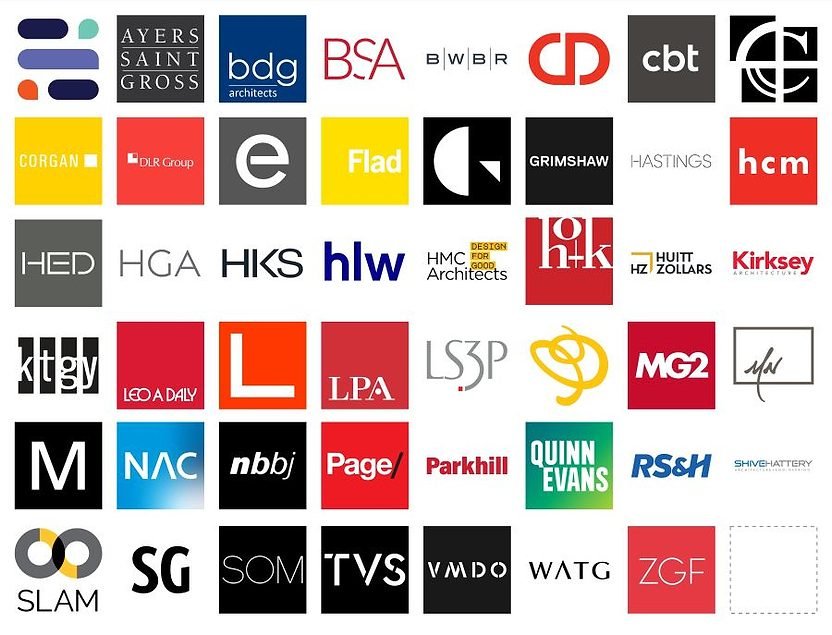
The Innovation Design Consortium, a group of 46 architecture and engineering firms committed to advancing shared standards, interoperability and readiness for artificial intelligence across the built environment, announced on September 30 that it has named Acelab as a co-development partner for its first open data standard for materials.
Acelab is a platform to digitize companies’ material libraries and make them native and accessible in the cloud. As a consortium member, you receive a seat on working groups, contributor credit on the standard, and reference implementation rights to the standard to be published in the agreement.
The consortium “is the first body with the scale and mandate to fix this, because the larger AE companies as members decide what the standard should be. Acelab is here to make sure it’s based on real product data and that companies can use it on day one,” said Dave Lemont, the company’s executive chairman.
Cinsortium member companies include SOM, HOK, HKS, Leo A Daly, NBBJ, ZGF, CannonDesign, Corgan, DLR Group, SmithGroup, The SLAM Collaborative, Page (formerly Page Southerland Page), Gresham Smith and HLW, among others.
When members align with an open standard, the design profession establishes common ground. Together, the group’s 46 member companies employ around 30,000 design professionals and deliver more than 10,000 projects a year. Organized as a public benefit corporation and guided by members nominated by peer companies, it develops shared standards, tools and partnerships for data sharing, performance, sustainability, operational efficiency and project delivery.
A constant problem in digital design is that while materials represent 40% to 50% of the cost of every project, there is no common digital standard for documenting them. Attribute names, units, and certification records differ from manufacturer to manufacturer, and each company reconstructs the same product information in its own data silo, often hosting its material data on internal servers and even physical filing cabinets in an office.
Last year, Acelab described how it aims to bring agentic AI to the process of recommending and specifying materials and digitizing the libraries of user design companies. It has built a product data ecosystem with a schema that spans over 250,000 construction products and a network of over 20,000 design firms and manufacturers.
“Other industries solved this decades ago: banking has ACH, healthcare has HL7. The architecture never agreed on what their data meant, so the data moves but the meaning doesn’t,” said Jim Smell, the consortium’s chief product officer in a statement. The group “is defining that shared vocabulary, what a material is, what attributes describe it, and how it relates to performance and compliance. [It is] partnering with companies like Acelab to show it works in the real world.”
Looking for quick answers on construction and engineering topics?
Try Ask ENR, our new intelligent AI search tool.
Ask ENR →
