

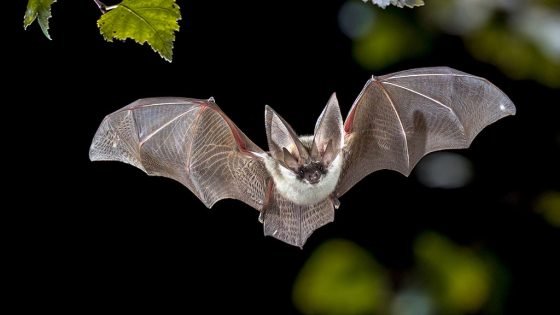
A developer has been fined for endangering the welfare and conservation status of bats at a Derbyshire housing scheme.
Patrick Weekes, director of Radbourne Construction Limited of Vernongate, Derby, was ordered to pay a total of £14,435 (including costs) after pleading guilty to four charges relating to the development at Harehill, near Ashbourne, Derbyshire.
Weekes had obtained a European Protected Species Bat Mitigation Licence, which allows work to be carried out that could affect bats, three years ago.
However, Natural England brought a prosecution after the body found its license breaches to be so significant that they had affected the welfare and conservation status of the bat species involved.
According to Natural England, the developer’s actions left brown long-eared bats and common pipistrelle bats without adequate roosting arrangements, as well as endangering the welfare of both species.
Specifically, the defendant was shown to have installed breathable roofing felt that posed a significant risk to bats as they could become entangled in the loose fibers.
He also stripped the roof of a property containing a common pipistrelle roost without direct ecological oversight.
In addition, a multi-agency site visit, led by Natural England in February this year, found that Weekes failed to install compensation and mitigation measures. For example, specific slits and access tiles should have been installed to allow bats to get into the roof spaces.
Weekes also failed to complete post-development monitoring as agreed in the licence.
South Derbyshire Magistrates’ Court heard that the defendant ignored advice from both his own ecologist and Natural England, and failed to carry out work to mitigate the harmful impact on bats when ordered to do it
He was fined £3,200 plus a £1,280 victim surcharge and ordered to pay the full £9,955.17 prosecution costs.
Natural England’s national director of delivery, Steph Bird-Halton, said the body did not take the decision to prosecute lightly.
“However, when individuals or companies endanger the well-being or favorable conservation status of protected species, we will not hesitate to take targeted and proportionate enforcement action,” he said.
