

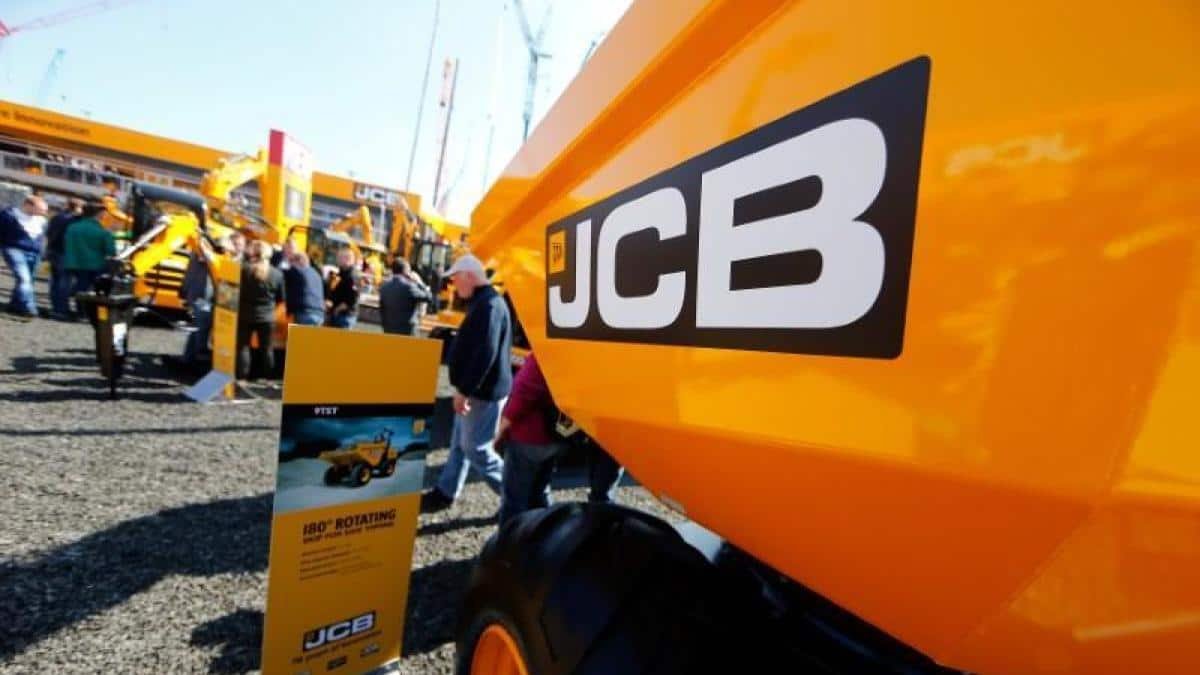
With increased infrastructure spending across the country, the construction equipment industry has seen an increase in demand for excavators, leading to four-fold growth over the next seven to eight years.
According to Deepak Shetty, MD and CEO, JCB India
Excavator usage and applications are increasing in the country and JCB is ready to meet this requirement and expand excavator volumes, Shetty said. “It took 15 years to sell 50,000 excavators in the country, but now 50,000 units have been sold in two years,” he said.
JCB India is planning to sell more excavators in India and expects to sell around 20,000 machines this year. BEML
JCB’s current capacity is 25,000 units per year. JCB manufactures excavators at its plant in Talegaon, Pune, with a capacity to manufacture 25,000 units, and has deployed 40,000 machines with a high degree of localization.
The company manufactures excavators ranging from 1.6 ton mini excavators, which work in congested spaces, to large 38.5 ton excavators used in marble mining, with 16 different models. The 38.5-ton excavator is used for excavation and bulk mining work. JCB India has just launched a range of next-generation excavators with digital capability, equipped with advanced telematics to meet the various applications in the market. The company manufactures 60 products across nine categories and sells through 60 distributors and 700 outlets, with parts warehouses in Pune, Bangalore, Bhaproda, Kolkata and Guwahati, supported by 8,500 engineers.
JCB excavators are also exported to more than 80 countries. If new emission standards come into play, India could also export a larger number of excavators worldwide, Shetty said.
A gradual shift from backhoes to bulldozers was expected in the Indian market. The greater productivity of excavators and their ability to do heavy work
CRISIL rating agency
Poonam Upadhyay, director, CRISIL Ratings, said the increased pace of road construction, which accounts for about 40% of demand for construction equipment, bodes well for the growth of the sector. “Manufacturers are also seeing good demand from the real estate and mining sectors, and from contractors for bridges, airports and metro corridors. In addition, some pre-purchasing of equipment is also likely towards the last quarter of this fiscal, with the industry migrating to CEV Stage-V2 emission norms from April 1, 2024, which will increase equipment prices,” said Upadhyay.
The sector would have better operating leverage and modest capex to maintain stable credit profiles this fiscal, boosted by the government’s continued focus on infrastructure construction, especially roads, metros and railways, including the National Gas Pipeline projects Infrastructure, CRISIL said.
