

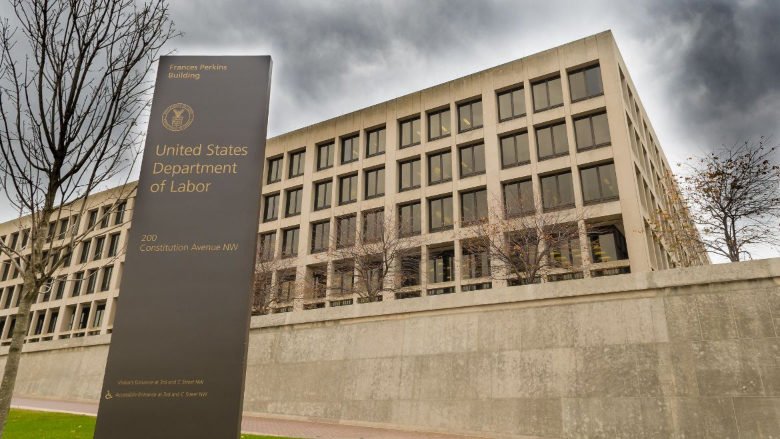
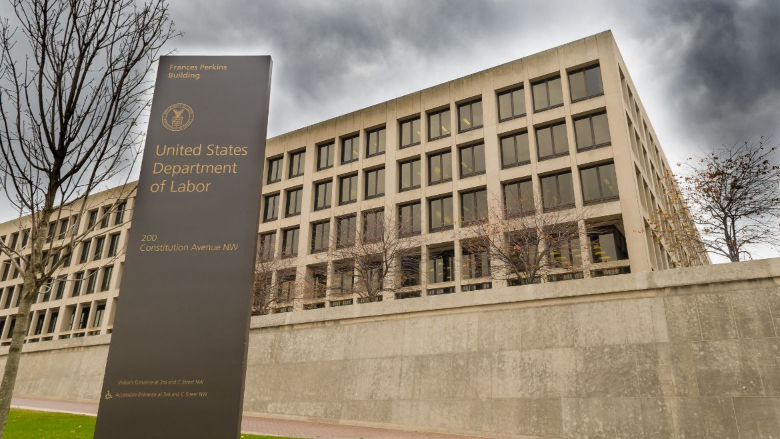
Despite opposition from contractors, the US Department of Labor published a final rule in the Federal Register on April 1 regarding non-employee representatives during workplace safety inspections. The rule, effective May 31, allows employees to select a third party to represent them during Occupational Health and Safety Administration inspections.
According to OSHA officials, a non-employee representative may be needed to provide expertise such as experience with similar workplace hazards or conditions or language and communication skills. They add that the rule is consistent with OSHA’s historical practice but is necessary for clarification after a 2017 court decision found that an existing regulation, as written, only allowed employees as representatives .
Worker participation in inspections is essential to thoroughness and effectiveness in making workplaces safer, OSHA Assistant Secretary Doug Parker said in a statement.
“The Occupational Safety and Health Act gives employers and employees an equal opportunity to choose representation during OSHA’s inspection process, and this rule returns us to the fair and balanced approach that Congress intended,” he said. Parker said.
Labor groups celebrated the final rule. The rule “is a welcome improvement that will empower workers and improve safety,” Brent Booker, general president of the Laborers International Union of North America, said in a statement.
The contractors are continuing their objections, which they stated last fall, after Labor Department officials released the proposed rule. The final rule will make it more difficult to ensure workplace safety because it “essentially forces contractors to allow anyone, regardless of their safety training and experience, to access active work sites,” says Brian Turmail, associate vice president of public affairs and strategic initiatives. General Contractors of America.
“Sometimes we disagree with the agency about its particular approach to solving real safety hazards and whether that approach will be effective,” Turmail adds. “But it’s hard to remember a time when the agency has promulgated a rule that creates so many safety hazards while fixing so few.”
Specifically, last fall, contractors had raised concerns about allowing workers to choose a union third-party representative on a non-union job, or that a chosen third party could be gathering information for a lawsuit against the employer.
The rule has negative impacts on the rights of employers and employees who do not want union representation, Greg Sizemore, vice president of health, safety, environment and workforce development at Associated Builders and Contractors, said in a statement.
“By allowing outside union agents to access the private property of non-union employers, OSHA injects itself into labor disputes and calls into question its status as a neutral law enforcer,” Sizemore said.
Contractors also questioned who would be responsible for the actions of a third-party representative at a site, their potential liability if a representative was injured, and who would be responsible for providing personal protective equipment.
Representatives for the contractor groups did not say whether they were planning a legal challenge to the rule, but both say they are “exploring all options.”
