

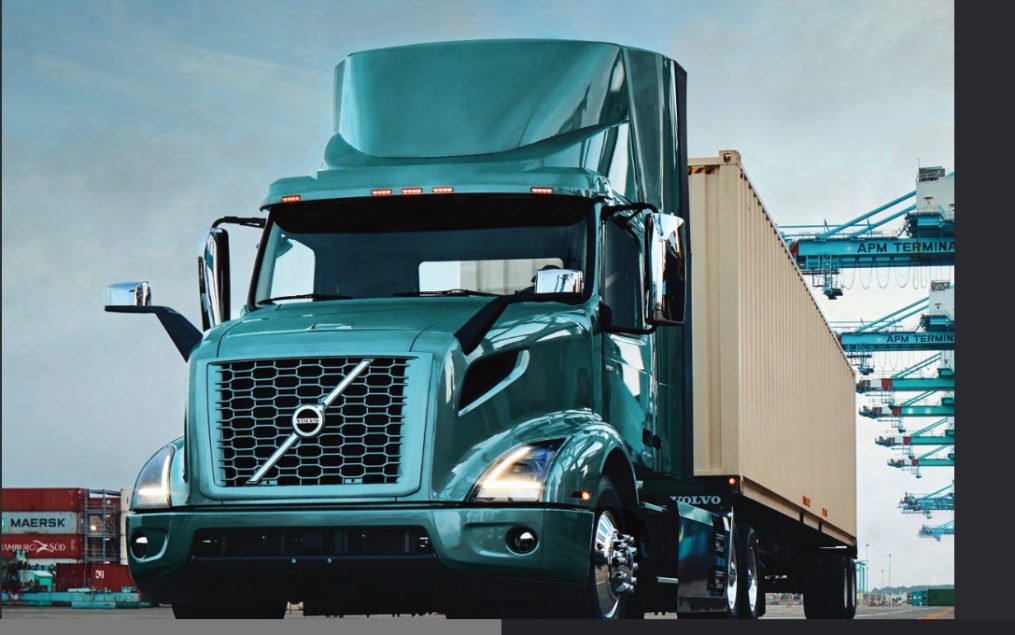
The US Environmental Protection Agency March 29 finalized a rule that further limited emissions from heavy trucks. Transportation Secretary Pete Buttigieg said the goal of the rule is to increase the share of electric vehicles in the U.S. truck fleet by 2032.
The rule, which applies only to manufacturers of new trucks, includes new greenhouse gas (GHG) emissions standards for eight different types of trucks, including some used in construction and many used to transport materials and teams Manufacturers will have to bring their fleets into compliance by model year 2032. They will be required to bring vehicles into compliance with the new standard beginning in 2027 for some of the eight truck categories. The final rule also revises the 2027 GHG standards previously established under EPA’s Phase 2 greenhouse gas emissions and fuel efficiency rule for medium- and heavy-duty engines and vehicles.
“We are concerned about the potential impacts these new standards will have on a construction industry that is only now returning to something approaching a normal supply chain situation,” says Brian Turmail, vice president of public affairs and strategic initiatives of the Associated General Contractors of America, in a statement.
“Since most construction sites do not have the luxury of being located next to large building material warehouses, companies are highly dependent on just-in-time deliveries for most construction materials. Any measure that limits the ability of material suppliers to deliver goods to “A job site will likely result in longer construction schedules for many projects. These longer timelines will make it difficult for the industry to operate more efficiently, potentially undermining the intended benefits of this rule,” the AGC said in the statement.
However, the truck rules do not mandate a direct shift to electric vehicles or anything else, but instead set average pollution limits for truck manufacturers’ fleets that aim to push them toward electric vehicles. low emissions, such as electric vehicles, electric hybrids and natural gas. or hydrogen powered vehicles. Many fleet delivery trucks already run on compressed natural gas or hydrogen.
“Where gasoline vehicles were in the 1910s or 1920s is where we are now with electric vehicles,” said Sec. Buttigieg in an interview with Fox News on April 2. He stressed that the truck rules and previous passenger car rules that encouraged adoption of EV technology were designed to spur adoption and keep American EV makers ahead of Chinese competitors who are also investing in the sector.
The EPA notes that the new rule is expected to avoid one billion metric tons of greenhouse gas emissions by 2055, and Buttigieg said that even if emissions from fossil fuel plants are created by the increase in charging needs and adoption of electric vehicles, would be even more efficient. from an emissions point of view than gasoline vehicles, because modern power plants are much more efficient at limiting their emissions using technologies like scrubbers than the millions of vehicles on the road today.
The Association of Truck and Engine Manufacturers, a trade group that represents manufacturers such as Daimler and Navistar International, however, said more time is needed for that change.
“EMA and its members are committed to a zero-emissions future for the U.S. trucking industry by designing and building the zero-emission heavy-duty vehicles that can deliver that future,” said Jed R. Mandel, president of the EMA based in Chicago. We are all working towards the same common goals and the same desired end results. To ultimately succeed in the transition to a commercial vehicle ZEV future, all parties must be better aligned at the realistic time to deliver the critical products and infrastructure to achieve a successful outcome. we all want.”
The EMA pushed the administration and got a provision incorporated into the 1,155-page rule on emissions controls. Because pollution control systems don’t work well in colder conditions, the arrangement is designed to relax some standards as temperatures drop. But that change begins at 77°F, warmer than the average temperature in most of the continental United States in summer.
Industry ahead of the game on electric vehicle adoption
Contractors, meanwhile, have been preparing their fleets of equipment for electrification for the past decade, and many are adopting electric haul trucks, low-kid tractor trailers and other equipment that could fit into the eight categories of the norm.
“We’ve been testing the use of electrical equipment on our projects for the past several years,” says Christopher McFadden, vice president of communications for Turner Construction Co. “We found several benefits: high vehicle efficiency, lower operating costs, lower or no emissions, along with increased health and safety benefits such as less noise, improved air quality and less fatigue for operators”.
Turner started an all-electric excavator pilot project with supplier Volvo Construction Equipment last year. They have also been using Caterpillar D6 XE hybrid excavators and Offgrid Ingenium energy storage systems (ESS).
Dave Loomis, general manager who oversees Alberici’s equipment, warehouse and materials, said the contractor is already doing a number of things to reduce emissions and waste.
“In terms of vehicle emissions, one area of focus is diesel exhaust fluid (DEF) capabilities. All of our newer service trucks and delivery tractor trailers have DEF capabilities and we are eliminating vehicles older than not,” Loomis said in a statement. “DEF is a combination of deionized water and urea that essentially converts harmful emissions into water and nitrogen. Vehicles that have DEF capabilities can reduce emissions by up to 90%.”
Other practices Loomis said Alberici, based in St. Louis, launched include GPS monitoring to track idle time and reduce fleet vehicles burning fuel unnecessarily; Inspect and perform appropriate preventive maintenance on all fleet vehicles to ensure they are operating at optimum efficiency; planning and coordinating the route of delivery vehicles, as well as combining loads and deliveries, in an effort to reduce the number of trucks on the road, the number of kilometers traveled and the amount of fuel consumed to be greener and minimize the waste
