

The steel, rubber and component shortages that affected agricultural machinery manufacturers also affected construction equipment manufacturers. Home building, one of the industries they served, enjoyed high demand during the COVID-19 pandemic, leaving construction companies desperate to replace machinery.
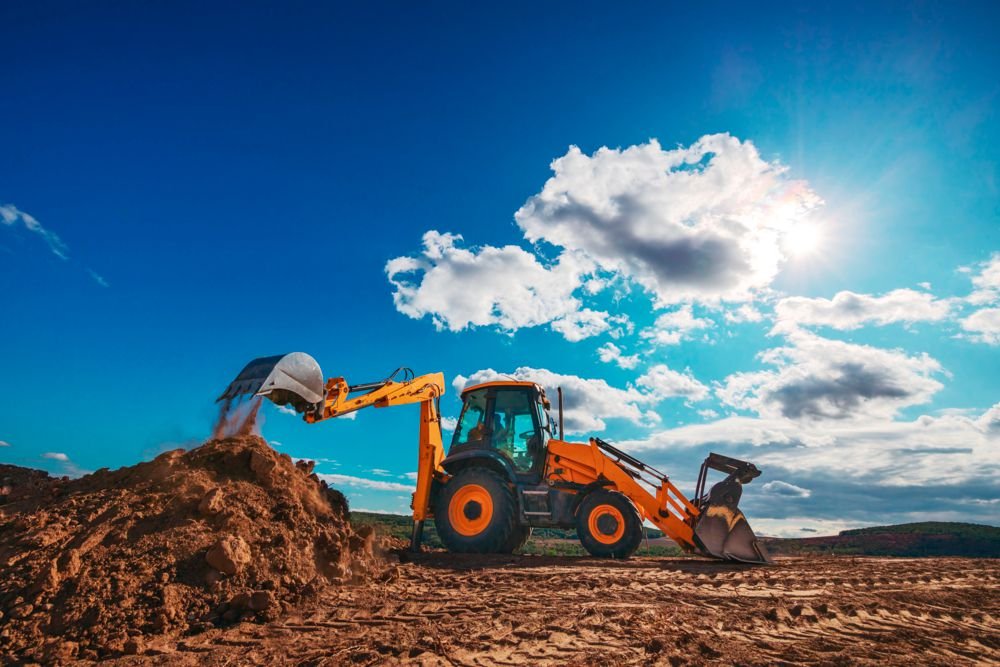
As the supply chain began to return to normal this year, both manufacturing and sales of one of the mainstays of construction, the backhoe, soared. This has fueled a healthy supply of used backhoes on the market, creating an opportunity to upgrade an older backhoe or invest in this popular construction equipment.
This price guide is a testament to this opportunity. I focused on what appeared to be a large number of backhoes that were built in 2017 and 2018.
“Ongoing inventory increases have resulted in decreased auction values in the construction equipment, farm machinery, heavy truck and semi-trailer categories in the Sandhills markets,” notes Mitch Helman of Sandhills Global (sandhills.com). “As we continue to see inventory levels rise in our markets, a corresponding drop in auction values is to be expected. The difference between asking and auction values is particularly pronounced for construction equipment in medium duty, medium duty trucks and heavy duty tractors”.
That spread is expected to narrow this fall and winter, opening up pricing opportunities. Helman found that sales prices for medium-duty construction equipment in 2023 are down nearly 2%, and auction values are down 7%.
Newer, more affordable backhoes
Farmers and ranchers typically look to buy backhoes that are at least 10 years old, but this market offers an opportunity to pick up newer machinery with fewer hours.
Consider construction equipment: Backhoes, skid steers, telehandlers, and bulldozers accumulate more hours relative to their age than farm machinery because they are used year-round. Also, specifications between makes and models can vary greatly.
Here’s a quick guide to help you search.
Other telling performance indicators include backhoe bucket strength and loader breakout force, both of which are determined by the machine’s hydraulic capacity and the robustness of the backhoe construction.
These specifications come into play when matching a machine to the job being tackled.
For example, you can get by with a smaller backhoe for ditch work on the farm, but you’ll definitely want to consider a larger loader if you plan to do a lot of drainage ditch maintenance, which requires a deeper digging depth and elevation capacity
Inspection of a backhoe for possible purchase
Construction equipment is often not as well maintained as farm machinery because its owner is not always the operator. Still, I’ve seen contractor backhoes in condition that rivals anything sold off a farm.
As with all used equipment, it pays big dividends to inspect a potential purchase before pulling the trigger.
The first step is to pull the backhoe’s serial number to verify its model year. Most manufacturers have opted for a 17 character system where the 10th character from the left indicates the model year of the machine.
Then list all the main features of the backhoe such as four-wheel drive, blowout protection structure (ROPS) vs. cab, extendable hoe, bucket size, front auxiliary hydraulics and power shift vs. manual transmission. As you know from tractors and combines, these features can have a big impact on the final value.
Ask the dealer, auctioneer and (if possible) the previous owner about using the backhoe. This can tell you which working parts may need closer inspection for stress cracks, broken welds, and twisted frame members (especially those on the loader and the boom and mast post). Be sure to take a close look at the torque tubes that connect the loader arms for cracks and overall condition – these components are subjected to a lot of twisting motion.
Place the machine on a flat concrete surface and check that the pole bucket is level (provided all tires are properly inflated). The uneven position of the bucket can be caused by a twisted bar or pole.
Also examine both buckets for excessive wear on their corners and flat cutting edges. A replacement front hub can set you back between $4,000 and $7,000.
Run the backhoe and operate all its working parts. Drive it for possible problems with the transmission.
Use the hydraulic system to both determine responsiveness and observe for operating noises.
With the loader or stick in the air, close the backhoe and see if these appendages lose height, which could indicate an internal bypass in the cylinders.
Complete the hydraulic system inspection by examining all hoses for leaks, excessive wear, or cuts, as well as all cylinders for leaks and damage. Check for water on the hydraulic fluid reservoir dipstick.
Look around the ROPS or cab to get an idea of how the machine was cared for during use. Look at the skin of the machine to see if rust is developing. This could be an indication that it was used in a chemical or salty place.
Finish the inspection by looking at the rims and tires. On construction sites, backhoe tires travel over a variety of surfaces that may contain harmful objects, so check the sidewall for cuts, the lugs for missing pieces of rubber, and the rims for cracks and bends .
Be sure to check that all pairs of tires are the same size. Finally, tap the air valve to see if air escapes. If not, you’re dealing with foam-filled tires.
