

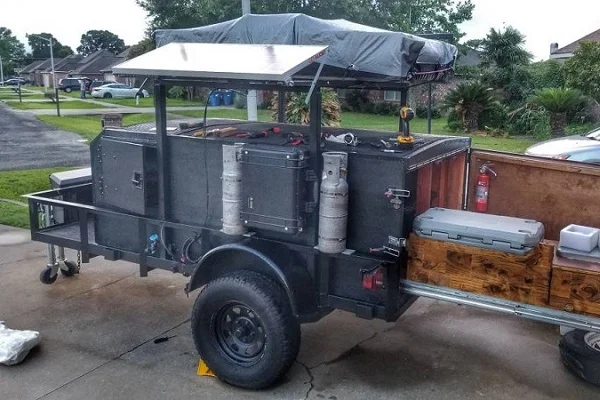
Time and skills required: The conversion is time consuming and requires a fair amount of DIY skills and knowledge. For those who are not manageable, this could pose a significant challenge or require additional costs to hire professionals.
Maintenance: A DIY camper trailer may require more ongoing maintenance than a commercially built one, as it may not have the same level of refinement or durability.
Legal and security considerations: It is essential to ensure that the converted trailer complies with all road safety regulations and legal requirements. This includes proper weight distribution, secure fittings, and reliable electrical and plumbing systems.
Limited resale value: Unlike professionally built camper trailers, a DIY converted trailer may have a lower resale value as potential buyers might be wary of non-professional modifications.
Comfort and amenities: While customization is a pro, it can also be a con. Comfort and amenities may not match those of a professionally built camper trailer, especially if you’re working with limited space or budget.
