


The Interior Department has proposed four changes to Endangered Species Act rules that would reinstate Trump-era regulations governing species listings, habitat designations and federal project consultations, reversing the Biden administration’s reviews completed last year and potentially reducing the scope and scope of reviews for transportation, energy and water resources projects.
Federal officials say the changes are needed to align with the U.S. Supreme Court’s Loper Bright decision and Trump’s executive orders directing agencies to eliminate requirements and policies the administration deems illegal or overly burdensome.
Two of the proposals, developed jointly with the National Marine Fisheries Service, would restore the 2019-2020 language that uses a two-step analysis to designate habitat as “unoccupied” and allows agencies to include economic impact information in preambles to endangered species listings, without allowing those impacts to drive listing decisions.
Interior officials said the revisions are intended to “restore clarity” and reduce legal exposure after Loper Bright, which ended Chevron deference, where courts typically defer to agencies’ interpretations of ambiguous language in federal laws.
The Associated General Contractors of America said it is reviewing the proposals, but noted that the revisions appear to restore ESA reforms the group supported during the Trump administration.
“We advocate for a sensible and balanced approach to species protection that limits uncertainty or speculation and makes it easier for infrastructure projects to move forward in an expedited manner,” said Brian Turmail, AGC’s Vice President of Public Affairs and Workforce. He said the group will look closely at the details during the comment period.
Environmental groups immediately criticized the Trump administration’s action. In a Nov. 19 statement, the Endangered Species Coalition said the proposals “represent an extinction plan for our most precious wildlife,” arguing that they would dramatically limit how agencies account for habitat loss and climate-related threats.
The first proposal would restore the 2019 rules governing how the Fish and Wildlife Service and NOAA determine whether a species is endangered or threatened and how critical habitat is designated. The reinstated framework allows agencies to include economic impact information in listing preambles, without allowing those impacts to drive decisions, and reinstates the two-step analysis required to designate “unoccupied” habitat.
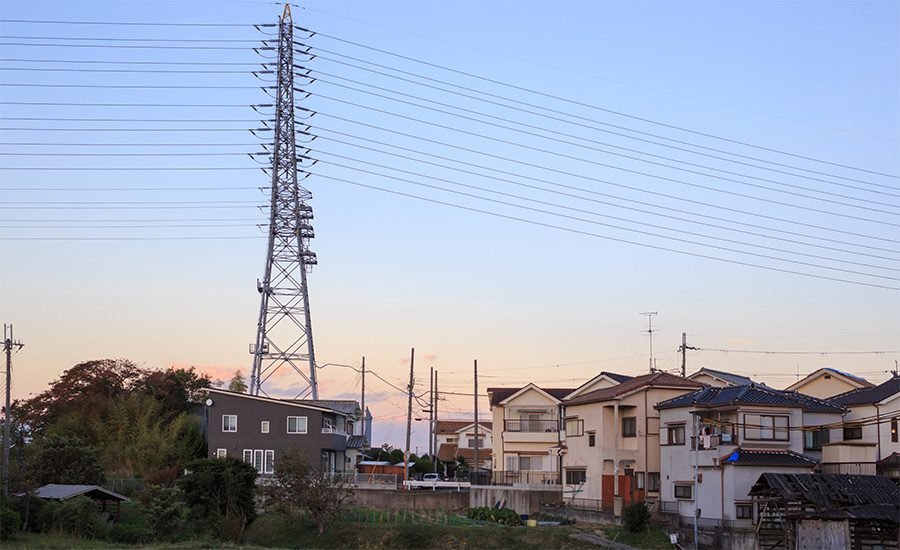
The proposed listing revisions could reduce the extent of critical habitat overlaps on long linear infrastructure, including interstate transmission lines, pipelines, and highway corridors, by limiting when areas outside a species’ current range can be added. The rules finalized in 2024 expanded the use of unoccupied habitat and applied a broader interpretation of “foreseeable future,” in part to account for risks posed by climate.
A second proposal would revert the Section 7 consultation definitions to the 2019 language, removing the 2024 provisions that expanded indirect and cumulative effects and authorized “offset” mitigation within the consultation framework. Reinstating the previous definitions of “action effects” and “environmental baseline” would reduce the scope of analysis that federal agencies must complete before permitting or funding major projects, potentially reducing modeling requirements outside of the project’s footprint.
Defenders of Wildlife said the change “will make it more difficult for many threatened and endangered species to recover”, claiming that analyzes of reduction effects could cause agencies to overlook habitat pressures during consultation.
For state DOTs, transit agencies, water utilities, renewable energy developers, and sponsors of federally funded dams and levees, a restored Section 7 framework could shorten timelines by reducing analytical complexity. Interior says the 2019 definitions are more defensible under Loper Bright, which directs agencies to apply the “single best reading” of the statute without relying on judicial deference.
A third proposal would eliminate the Fish and Wildlife Service’s general 4(d) rule for threatened species and require specific 4(d) rules for all new threatened listings. NOAA already uses a species-specific approach. For project sponsors, the more tailored 4(d) rules may create clearer permits for routine activities, although the approach may lengthen the time between a listing and the issuance of applicable conditions.
The final proposal would reinstate a 2020 rule that would govern how economic and national security impacts are weighed when determining whether to exclude areas from critical habitat. The framework requires utilities to document when they reject recommended exclusions, an issue closely watched by transmission and pipeline developers seeking to limit restrictions along established utility rights.
The National Parks Conservation Association said the proposed approach “ignores the will of the American people by decimating protections for species that depend on national park ecosystems,” warning that reducing habitat designations could increase the risk of extinction.
Implications for infrastructure agencies and next steps
Loper Bright: Why Government Matters
What is: On June 28, 2024, the United States Supreme Court issued a 6-2 decision
Loper Bright Enterprises v. Raimondooverturning the doctrine of Chevron deference. The ruling requires courts, not agencies, to independently interpret ambiguous statutes.
Why it matters: Without Chevron’s deference, agencies must base environmental and permitting rules on the “single best reading” of the statute. Courts are now more likely to strike down regulations that extend beyond the explicit text of Congress, raising the stakes for ESA, NEPA, and Clean Water Act rules.
Key points for ESA: Internal dating Runner Bright as a central reason for revising the ESA rules. Returning to the 2019-2020 framework, the agencies aim to produce more defensible regulations in a post-Chevron legal environment, particularly for Section 7 inquiries and habitat designations.
The package comes as federal agencies continue to handle heavy workloads of ESA inquiries. Data from the Fish and Wildlife Service show thousands of informal and formal consultations conducted each year, with timelines driven by data sufficiency and coordination with NEPA and Clean Water Act reviews.
Resetting the 2019-2020 framework may provide greater predictability for US Army Corps of Engineers civil works reviews, BLM rights-of-way, interstate transmission permits, and FHWA/FTA program approvals.
It is unclear how the proposals align with ongoing federal efforts to coordinate NEPA and ESA reviews, such as the FAST-41 processes or a federal decision. Home Office has not issued guidance on how inquiries launched under the 2024 rules should be handled once the new regulations are finalised, creating potential uncertainty for projects already under review.
The four proposed rules appeared in the Federal Register’s public inspection file on November 19, with a 30-day comment period opening on November 21. Comments should be submitted to regulations.gov using dockets FWS-HQ-ES-2025-0039 (Section 4), 0044 (Section 7), Section 0040d) and Section 0040d (Section 040d) 4(b)(2)).
Environmental groups have indicated they will oppose the revisions during the comment period and, if concluded, in court.
Industry organizations beyond AGC had not issued formal statements as of press time, but have historically supported more restrictive Section 7 standards and more predictable critical habitat exclusion procedures.
A definitive rulemaking schedule has not been published.
